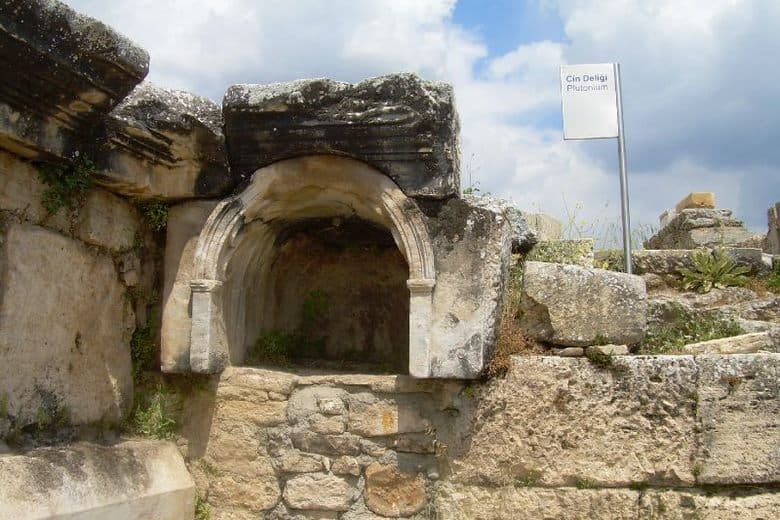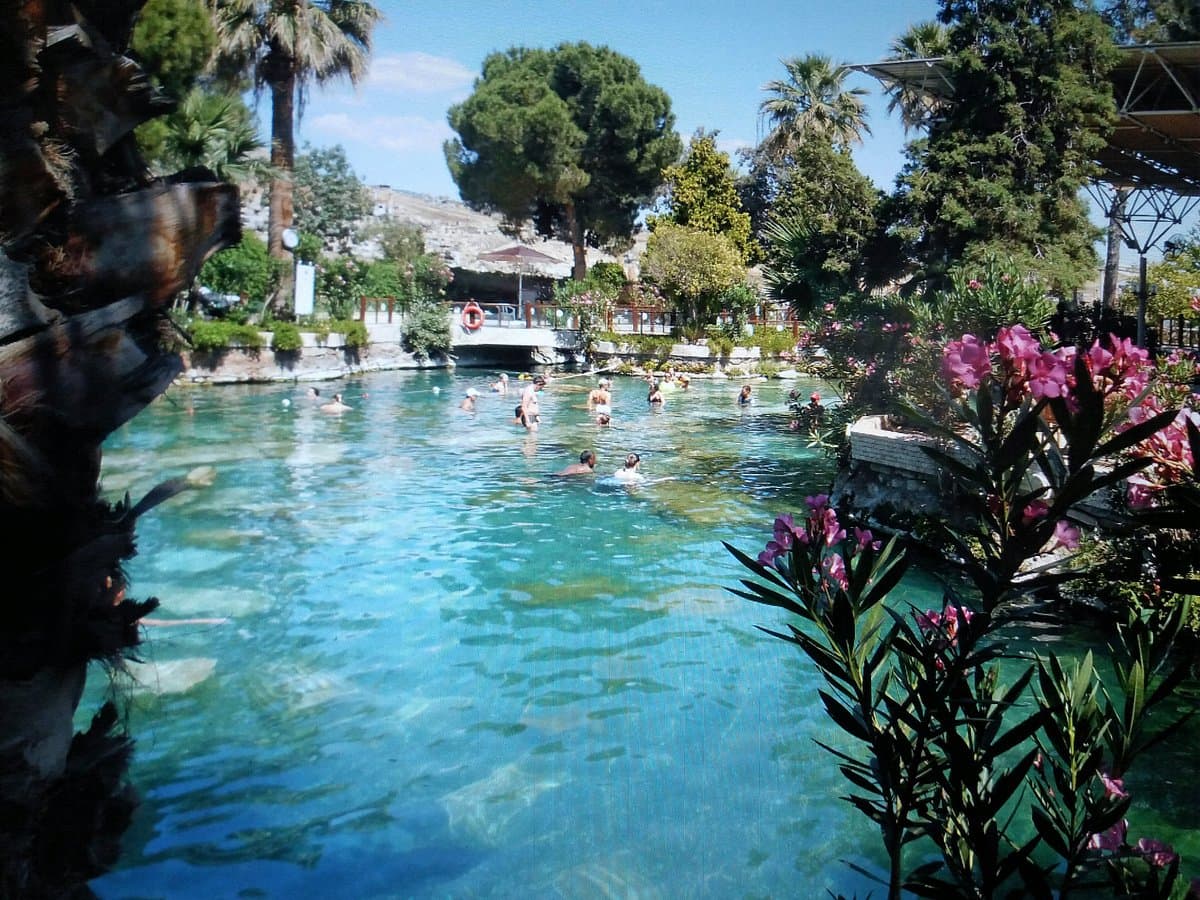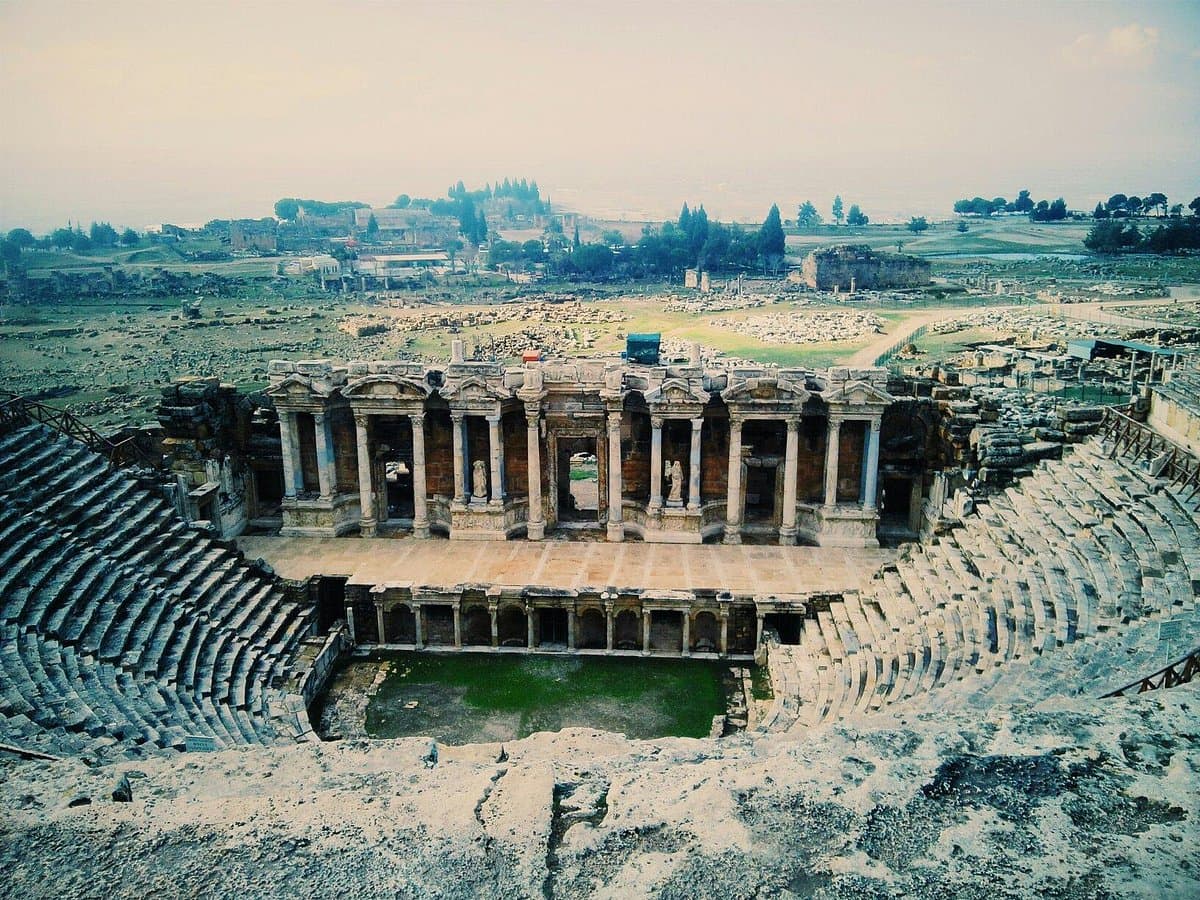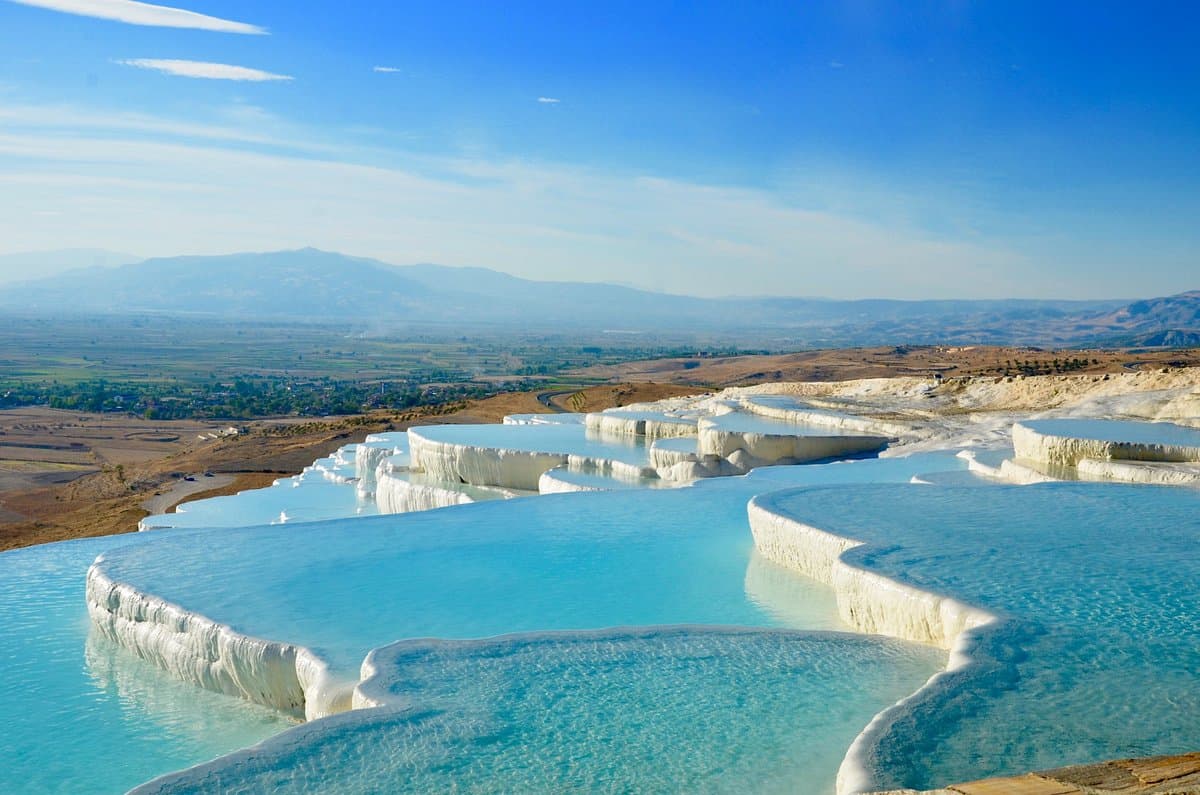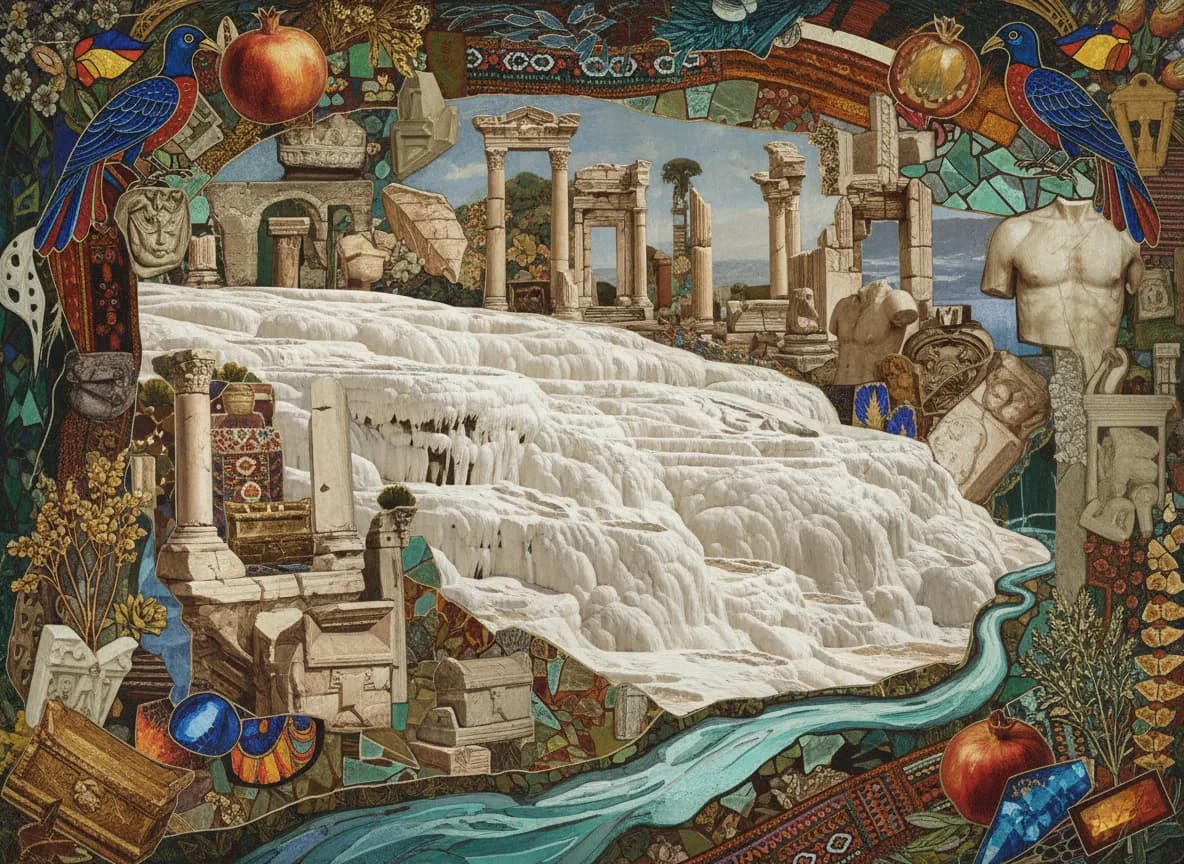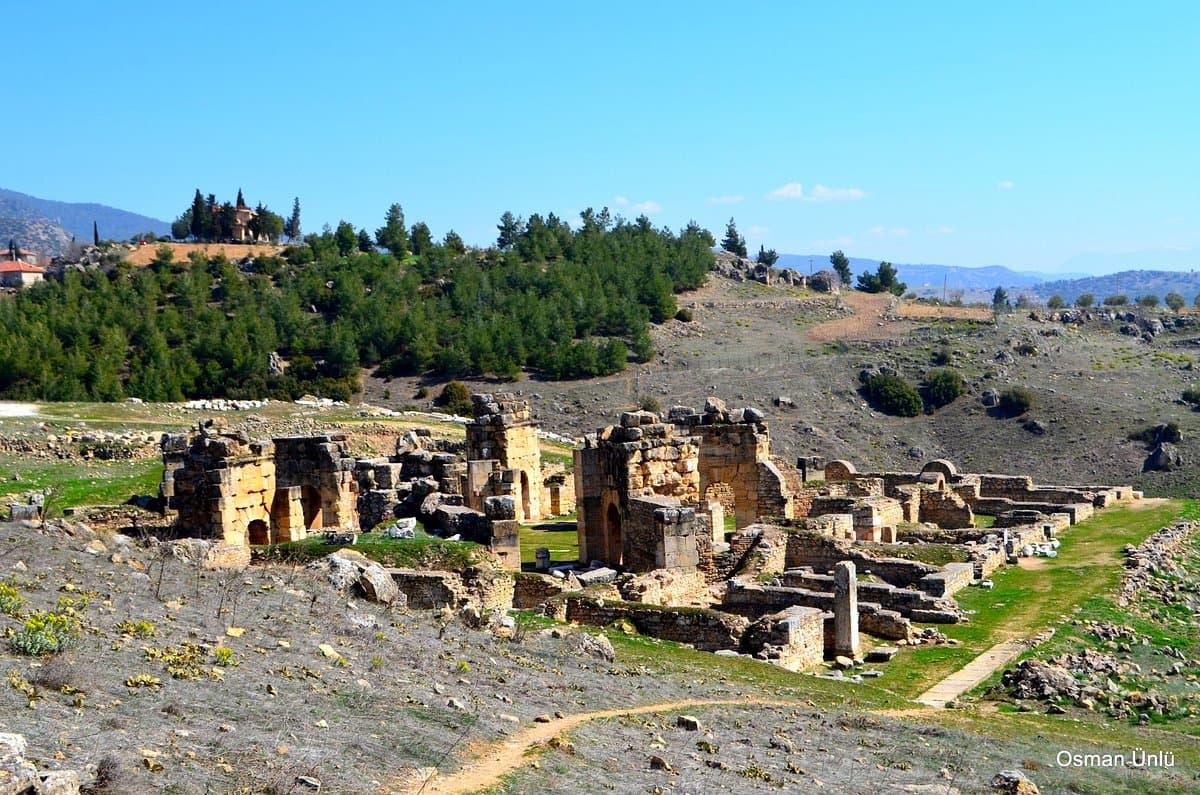
What this place is: The Road to Pamukkale encompasses the approach to and passage through the Hierapolis–Pamukkale World Heritage Site, a UNESCO-protected area combining ancient Roman ruins with natural thermal pools. The journey includes the northern necropolis (ancient burial ground), the Frontinus and Domitian gates, remnants of Roman houses and shops, an impressive amphitheatre, and Roman aqueducts. This is not a single attraction but a layered historical experience spanning roughly 2 000 years of settlement and engineering.
What visitors consistently praise: Reviewers emphasize the emotional impact of walking on ancient Roman roads and seeing structures that have survived nearly two millennia. The necropolis with its inscribed graves is frequently noted as particularly moving, offering a tangible connection to the past. The amphitheatre receives special mention for its scale and preservation. Many visitors highlight the scenic beauty of the approach — rolling landscapes, small villages, orange groves, and greenhouses — as integral to the experience. Visitors with guides report significantly deeper appreciation of the historical context and engineering achievements. The site's World Heritage designation is seen as well-deserved by those who take time to explore thoroughly.
Common visitor experiences and warnings: Several reviewers note that the ruins are spread across a large area, requiring either multiple hours on foot or use of transport (buggies, buses, or private vehicles). The site can feel overwhelming without prior knowledge of what to expect. Some visitors report that rushing through or treating the road merely as transportation to the thermal pools results in missing the archaeological significance. A few reviewers who visited immediately after Ephesus found the ruins less impressive by comparison, suggesting context and fatigue matter. December and off-season visits are noted as less crowded, enhancing the experience.
Practical advice from visitor experiences: Hire a knowledgeable guide if possible — multiple reviewers stress this dramatically improves understanding and engagement. Bring substantial sunscreen and water; several visitors mention intense heat (up to 45°C in July) and recommend visiting in September or early morning/late afternoon. Wear comfortable walking shoes suitable for uneven terrain and potentially dusty paths. Allow at least 3–4 hours if exploring on foot; a full day is ideal to see the major sites without rushing. Consider staying overnight rather than making a day trip from the coast, as the drive is 2–4 hours depending on origin. Buggy rides (approximately 250 Turkish lira for 6–8 people) or local buses (around 30 lira) are available from the entrance and are recommended over self-driving if unfamiliar with the terrain. Bring a camera; reviewers consistently mention numerous photo opportunities. Small local markets along the route sell fresh orange and pomegranate juice, trinkets, and snacks — prices are reasonable and vendors are described as friendly.
Getting there and transport options: From Denizli (the nearest major city, approximately 20 km away), take a minibus (dolmuş) from Denizli otogar (bus station) directly to Pamukkale — this is the most economical option and several reviewers recommend it over organized tours. The journey from Denizli takes roughly 45 minutes to 1 hour. From the coast (Ölüdeniz, Fethiye, or Kuşadası), the drive is 2–4 hours depending on starting point. The main highway to Pamukkale is well-maintained dual carriageway with good signage from major towns. However, once leaving the highway near Sarayköy, the road becomes narrower and more winding; reviewers recommend taking the newer, wider road that branches off at Sarayköy (heading straight from Nazilli direction) rather than the older village route through small settlements. A few visitors reported poor signage in certain sections, so GPS or a map is advisable. The road surface is generally good, though some sections may have minor potholes or ongoing maintenance work. Driving your own car is possible but not recommended unless experienced with Turkish mountain roads; the route is narrow in places, and summer traffic can be heavy. If driving, allow extra time and take the journey slowly. Public transport (minibus or organized coach tours) is safer and allows you to enjoy the scenery without navigation stress. Parking is available at the site entrance.
Common complaints and mitigation: Some visitors report inadequate directional signage on approach roads and poor road maintenance in certain sections. To mitigate: use GPS/maps in addition to road signs, travel during daylight hours, and avoid driving alone if unfamiliar with Turkish roads. A few reviewers found the ruins underwhelming compared to Ephesus; this is often due to rushing or lack of context. Solution: allocate sufficient time and consider hiring a guide. Heat and sun exposure are significant concerns; bring ample water, sunscreen, and plan visits for cooler parts of the day. The site's vastness can be disorienting; stick to marked paths and prioritize the amphitheatre, gates, and necropolis if time is limited.