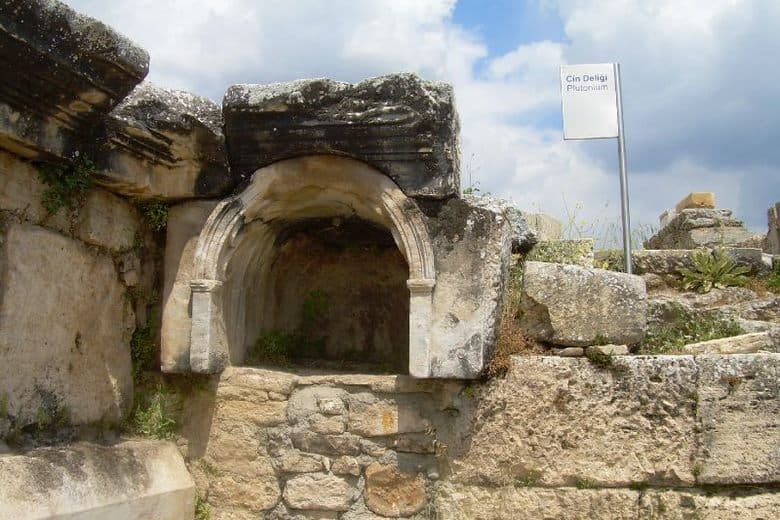
Pluto's Gate, or Ploutonion, is an archaeological site near Hierapolis-Pamukkale, known in antiquity as a 'gate to hell'. Discovered in 2013, it matches historical descriptions of a temple dedicated to the underworld gods, where deadly carbon dioxide vapors naturally emanate from a cavern. This site is significant for understanding ancient cult practices and the intersection of natural phenomena with religious beliefs.
Visitors are consistently intrigued by the historical accounts of priests using the toxic fumes in rituals, and the scientific explanation behind the 'deadly' air. While the site itself doesn't boast extensive architectural remains, the concept of a natural portal to the underworld captivates many. Reviewers often highlight the unique, eerie atmosphere and the opportunity to connect with ancient history in a very tangible, albeit invisible, way. The site is generally well-maintained, allowing for easy viewing of the cavern opening and surrounding structures.
To make the most of your visit, allocate about 30-60 minutes. The site is relatively small, and the main attraction is the historical context and the natural phenomenon. It's best visited during cooler parts of the day, such as early morning or late afternoon, to avoid the heat, especially since it's an open-air site. There isn't much shade directly at the gate. Bring water, a hat, and comfortable shoes, as you'll be walking on uneven terrain. There are no specific money-saving tips for the gate itself, as its entry is typically part of the Hierapolis-Pamukkale complex ticket.
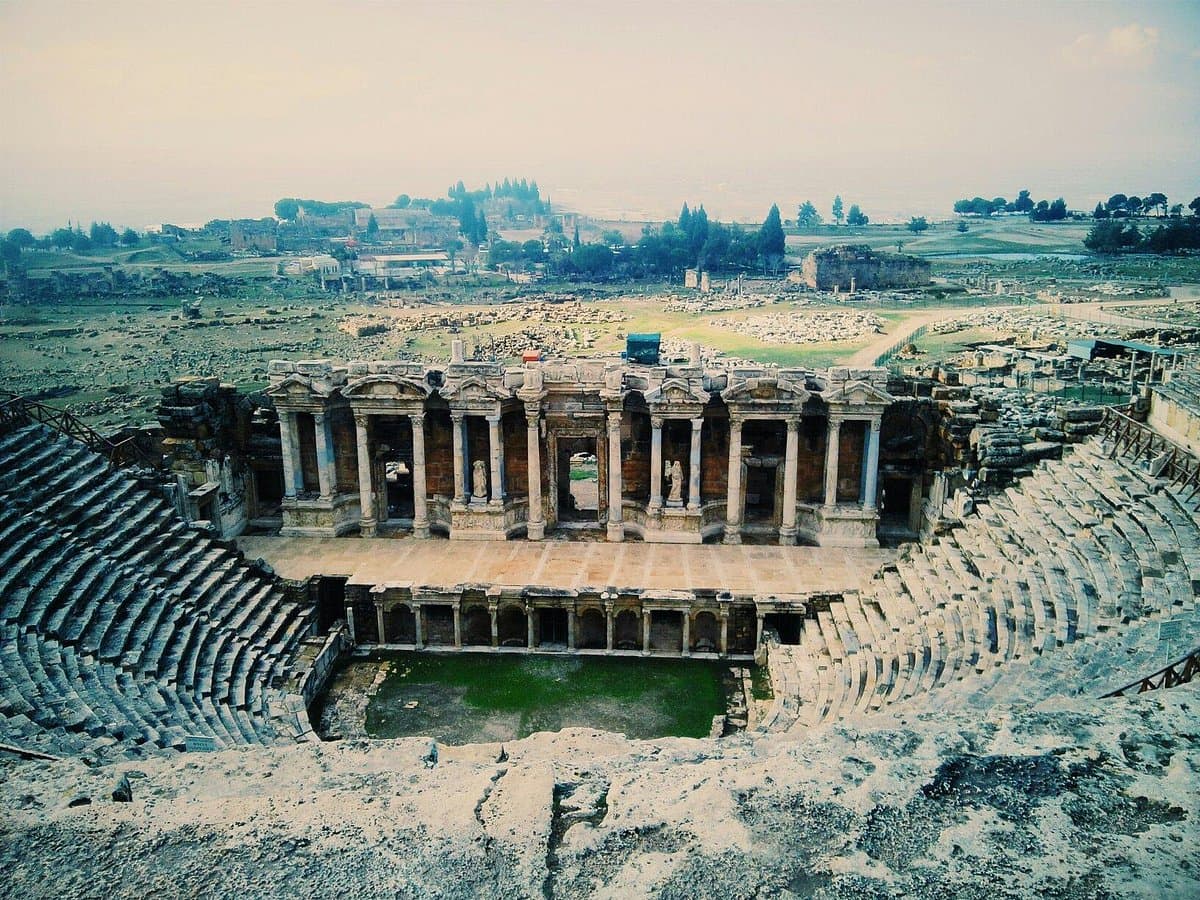
Pluto's Gate is located within the Hierapolis archaeological site, which is adjacent to Pamukkale. Access is typically through the main entrances of Hierapolis. Many visitors arrive by dolmuş (shared mini-bus) from Denizli, which drops off at the Pamukkale entrance. From there, it's a walk through the Hierapolis ruins to reach Pluto's Gate. Taxis are also an option from Denizli or nearby towns. Parking is available at the main entrances to Hierapolis for those driving.
A common complaint among some visitors is the lack of dramatic visual impact, as the 'gate' is essentially an opening in the ground with some ancient structures around it. Those expecting grand ruins might be underwhelmed. To mitigate this, approach the site with an appreciation for its historical and scientific significance rather than expecting a visually spectacular landmark. Reading up on the history of the site and Strabo's descriptions beforehand can greatly enhance the experience.