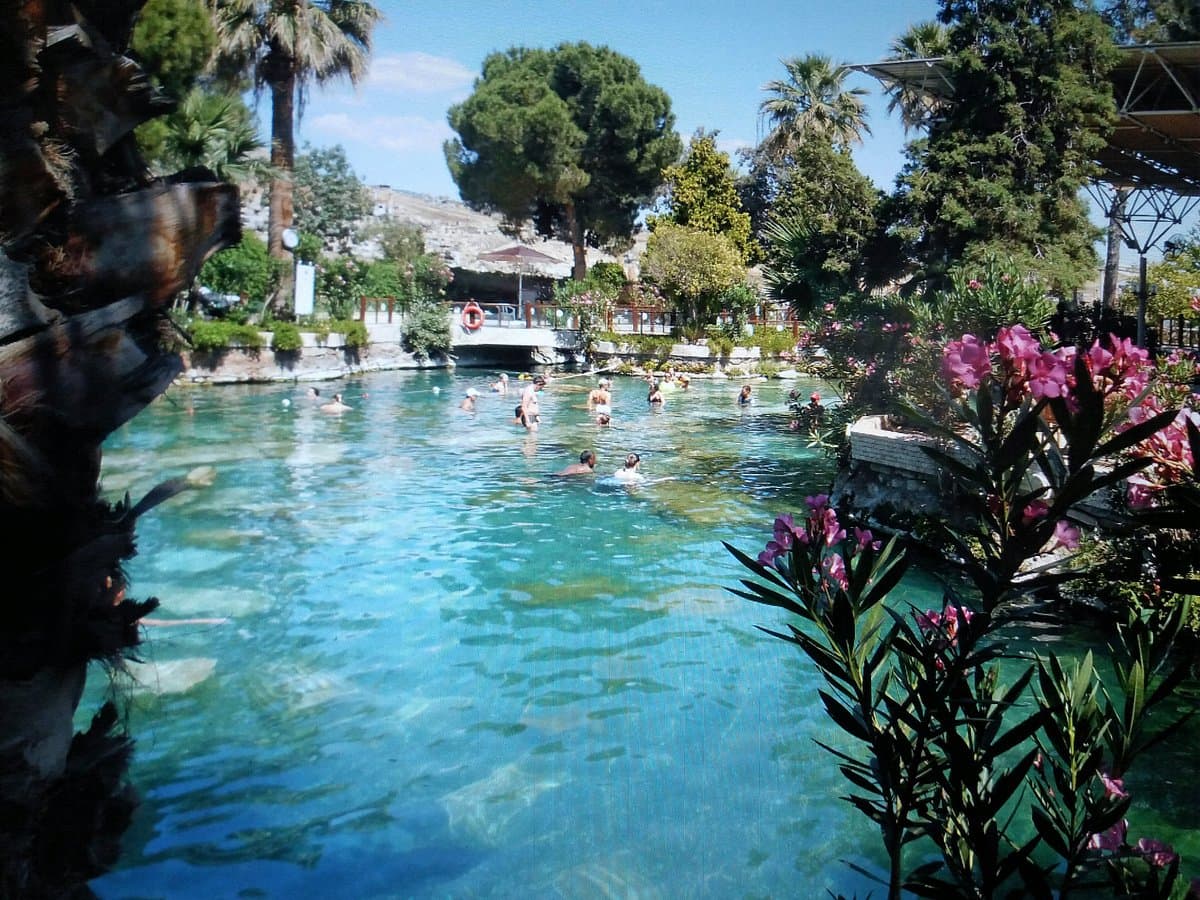
The Cleopatra Pools, also known as the Antique Pool, offer a distinctive opportunity to swim amidst genuine ancient Roman ruins. Formed by an earthquake in the 7th century that toppled parts of the Temple of Apollo into a natural thermal spring, this site provides a rare blend of historical immersion and therapeutic relaxation. Visitors can literally swim over and among submerged columns and artifacts, creating a surreal connection to the past.
Many visitors consistently praise the unique experience of swimming in warm, clear water (around 35-36°C) with ancient ruins beneath and around them. Reviewers frequently describe it as a "fairy tale" or "surreal" experience, highlighting the soothing and relaxing qualities of the mineral-rich water. The feeling of being an "empress" or "princess" while swimming among the stones and pillars is a common sentiment. However, some visitors warn that the pool can become very crowded, especially during peak season or later in the day, which can detract from the serene atmosphere. The presence of algae and moss on some submerged stones is also noted, though many find it a minor issue given the natural setting.
To make the most of your visit, come prepared. Bring your own swimsuit and towel, as purchasing them on-site can be expensive. Lockers are available for a small fee, and changing rooms and outdoor showers are provided. Many suggest visiting early in the morning or late in the afternoon to avoid the largest crowds and enjoy a more peaceful swim. While the water is warm, exiting the pool in cooler weather can be chilly, as warm shower facilities are not always available. Be mindful of the submerged ruins; while they add to the charm, they can be slippery or hazardous underfoot, so watch your step. The recommended time to spend in the pool is around 1-2 hours, allowing for relaxation without overstaying.
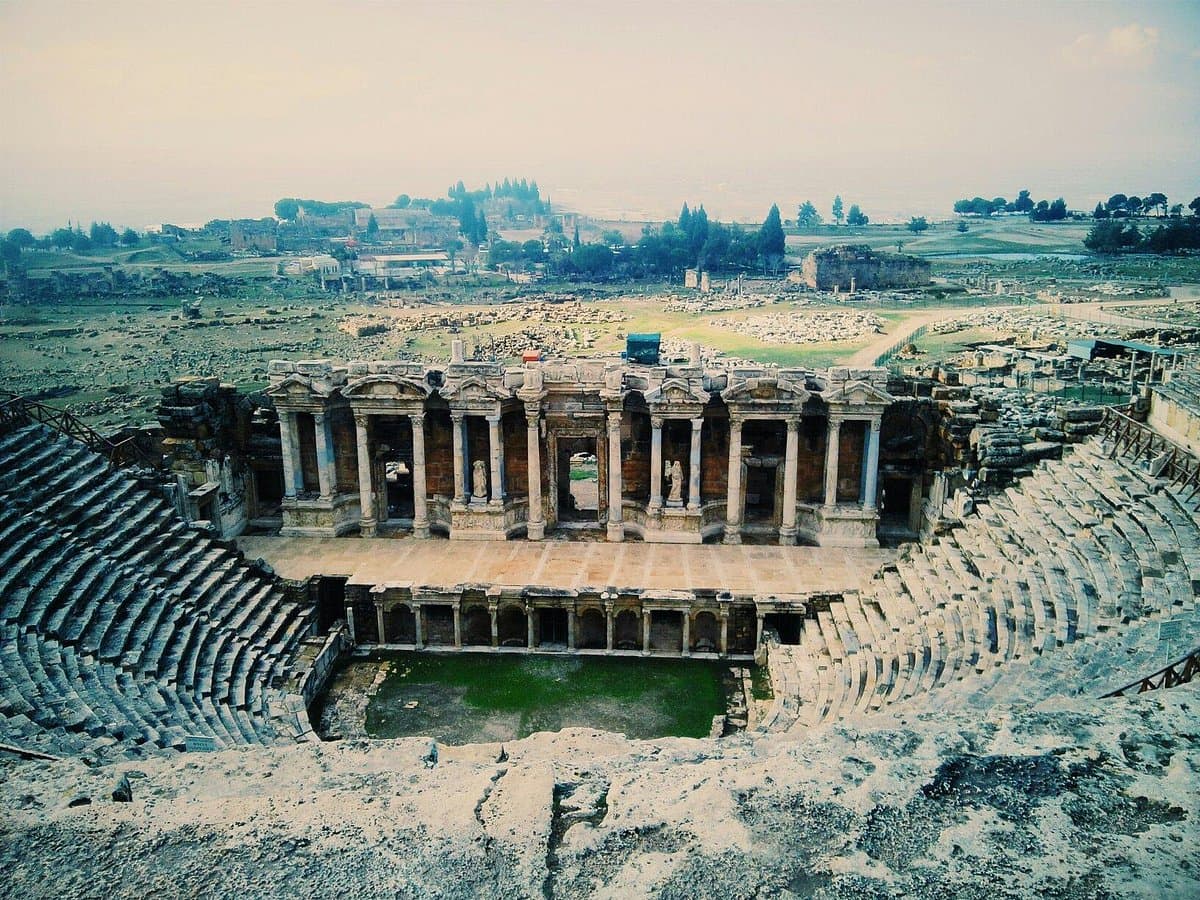
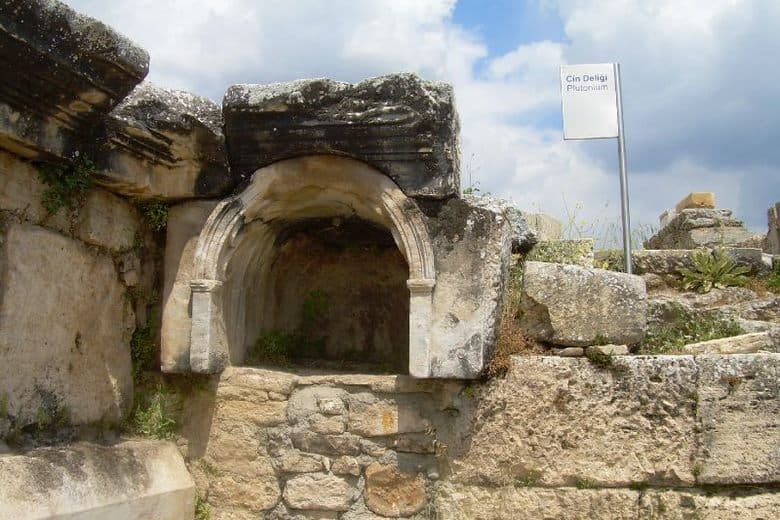
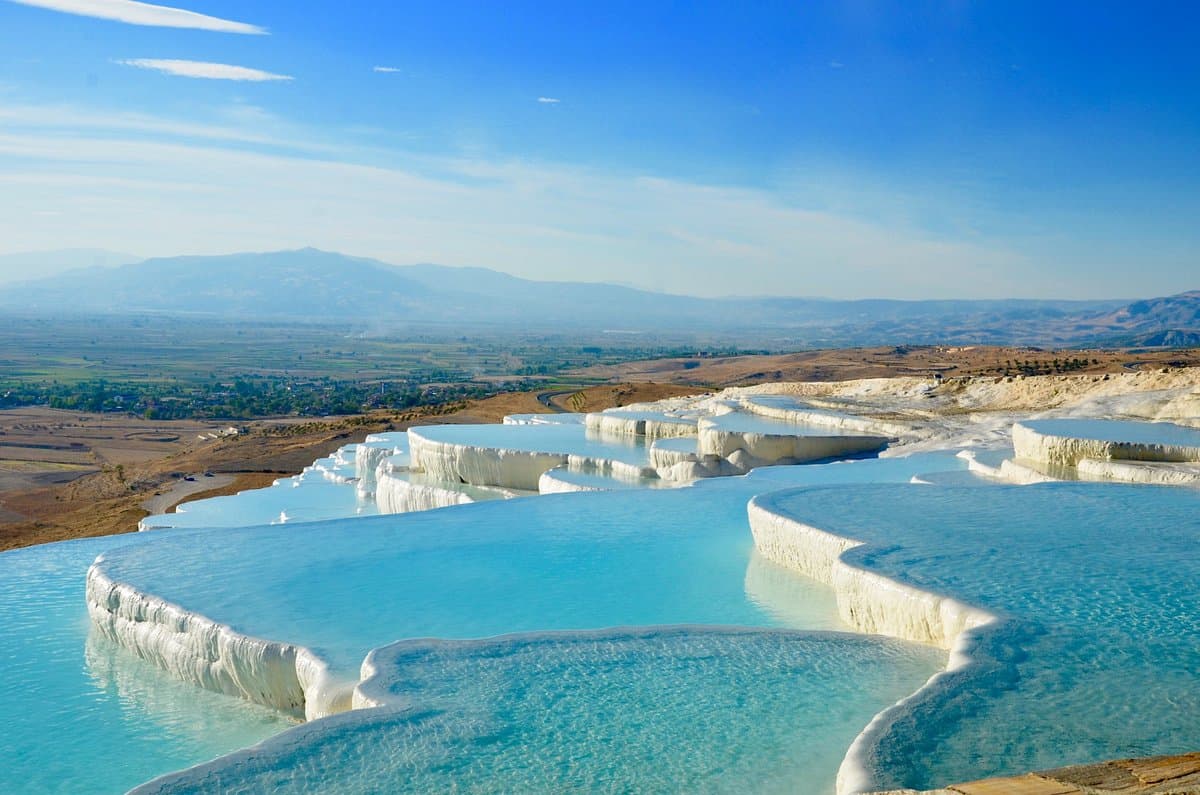
The Cleopatra Pools are located within the Hierapolis archaeological site, adjacent to Pamukkale's famous travertines. To reach them, you first need to enter the Hierapolis complex. If arriving by car, parking is available at the South Gate, though some visitors mention a separate parking fee. From the main entrance, it's typically a 15-minute walk to the pool area. Public transport options to Pamukkale generally involve buses to Denizli, followed by local minibuses (dolmuş) to Pamukkale village, from where you can access the site. Be aware that the pool is located at the top of the Pamukkale site, requiring some walking within the archaeological area.
A recurring complaint among visitors is the additional cost to swim in the Cleopatra Pools, which is separate from the general entrance fee to the Pamukkale/Hierapolis complex. Many feel this extra charge, which has increased over time, is high, especially for a relatively small and often crowded pool. Another common issue is the lack of clear communication regarding renovations or closures; several reviewers expressed significant disappointment after traveling long distances only to find the pool inaccessible. To mitigate this, it's advisable to check for any official announcements or recent visitor reviews about closures before planning your trip. Additionally, some visitors find the commercialization, including persistent photographers and expensive on-site food and drinks, detracts from the historical ambiance. While photographers are present, you are generally allowed to decline their services, and bringing your own snacks and drinks can help save money.