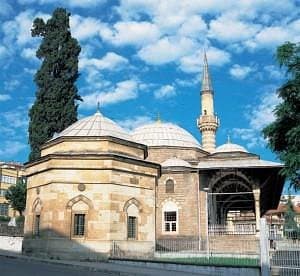
The Gulbahar Hatun Mosque, also known as Gülbahar Hatun Cami, is a significant historical and architectural site in Trabzon. Built in the early 16th century, it serves as the final resting place of Gülbahar Hatun, the mother of Sultan Selim I and grandmother of Suleiman the Magnificent. Its importance lies not only in its Ottoman classical architectural style but also in its connection to prominent figures of the Ottoman Empire, offering a tangible link to a rich historical period.
Visitors consistently praise the mosque for its peaceful and serene atmosphere, making it a pleasant place for quiet contemplation. Many reviewers highlight its beautiful garden setting, which often features tulips, adding to the tranquil ambiance. The mosque's architectural style, reminiscent of the classical Ottoman period, is also frequently admired. Some visitors recommend delving into the history of Gülbahar Hatun, also known as Maria from Livera, and her connection to Bayezid II, to fully appreciate the site's historical depth.
To make the most of your visit, allocate about 30 minutes to an hour to explore the mosque and its surrounding garden. The best time to visit is during daylight hours to fully appreciate the architecture and garden. There is a coffee shop nearby, which visitors mention as a convenient spot for a break. As with any religious site, modest dress is recommended. Consider reading up on the history of Gülbahar Hatun before your visit to enhance your understanding and appreciation of the site.
The mosque is conveniently located within walking distance from the center of Trabzon, specifically about a 15-minute walk from the Meydan (city square). This makes it easily accessible for tourists staying in the central areas of the city. Its proximity to other central attractions allows for a pleasant stroll through the city to reach it.
While generally well-regarded, some visitors might find the site relatively small compared to grander imperial mosques. However, its charm lies in its historical significance and peaceful setting rather than its sheer size. To mitigate any potential disappointment, approach the visit with an appreciation for its historical context and the personal story it represents, rather than expecting a massive architectural complex.