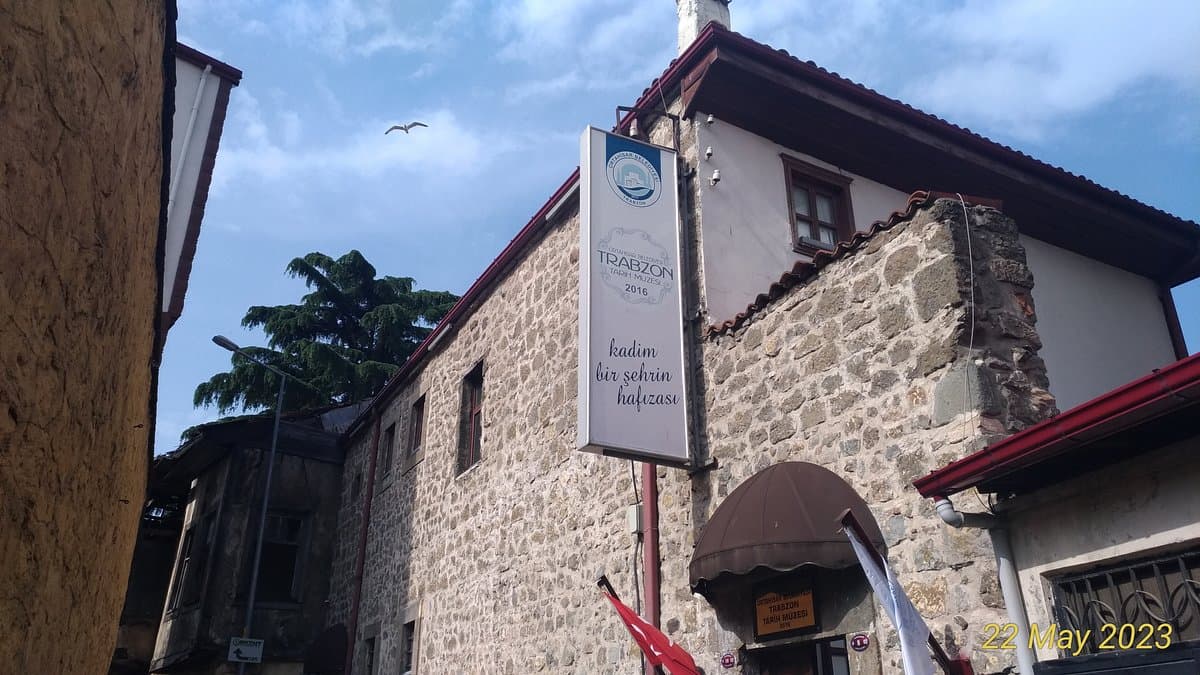
The Trabzon History Museum (Trabzon Tarihi Müzesi) is a modest yet informative institution dedicated to preserving and presenting the rich history of Trabzon. Housed in a two-story building, it offers a chronological journey through the city's past, from its ancient roots to more recent times. The museum's collection includes historical documents, old photographs, newspaper clippings, and various personal items donated by local residents, providing a tangible connection to the lives and events that shaped Trabzon.
Visitors consistently highlight the museum's intimate scale and the charm of its setting. While the exhibits are well-curated, a significant point raised by several reviewers is the lack of English or Arabic translations for the informational texts. This can make it challenging for non-Turkish speakers to fully grasp the context and significance of the artifacts. However, even without detailed translations, the visual elements like old photographs and unique personal items can still convey a sense of the city's heritage. Many appreciate the museum's cafe, which offers a pleasant break and scenic views of Trabzon, making it a good spot for relaxation.
To make the most of your visit, allocate about 1 to 1.5 hours. If you don't speak Turkish, consider using a translation app for key texts or focusing on the visual aspects of the exhibits. The museum is best visited during the cooler parts of the day, especially if you plan to enjoy the cafe. There are no specific items to bring beyond perhaps a camera for the views from the cafe. Since the museum is small, it's generally not crowded, allowing for a relaxed pace.
The museum is located in the Ortahisar Mahallesi, at Saray Atik Camii Sk. No: 8. It's situated within the historical heart of Trabzon, making it accessible by walking if you are exploring the old city. Public transportation options like local buses or dolmuş (shared taxis) can get you close to the Ortahisar area, from where it's a short walk. Taxis are also readily available throughout Trabzon and can drop you directly at or near the museum.
The primary complaint among visitors is the absence of multilingual explanations. To mitigate this, consider visiting with a Turkish-speaking friend or guide, or prepare to rely on visual interpretation and translation apps. Despite this, the museum is generally seen as a pleasant, albeit brief, cultural experience for those interested in local history.