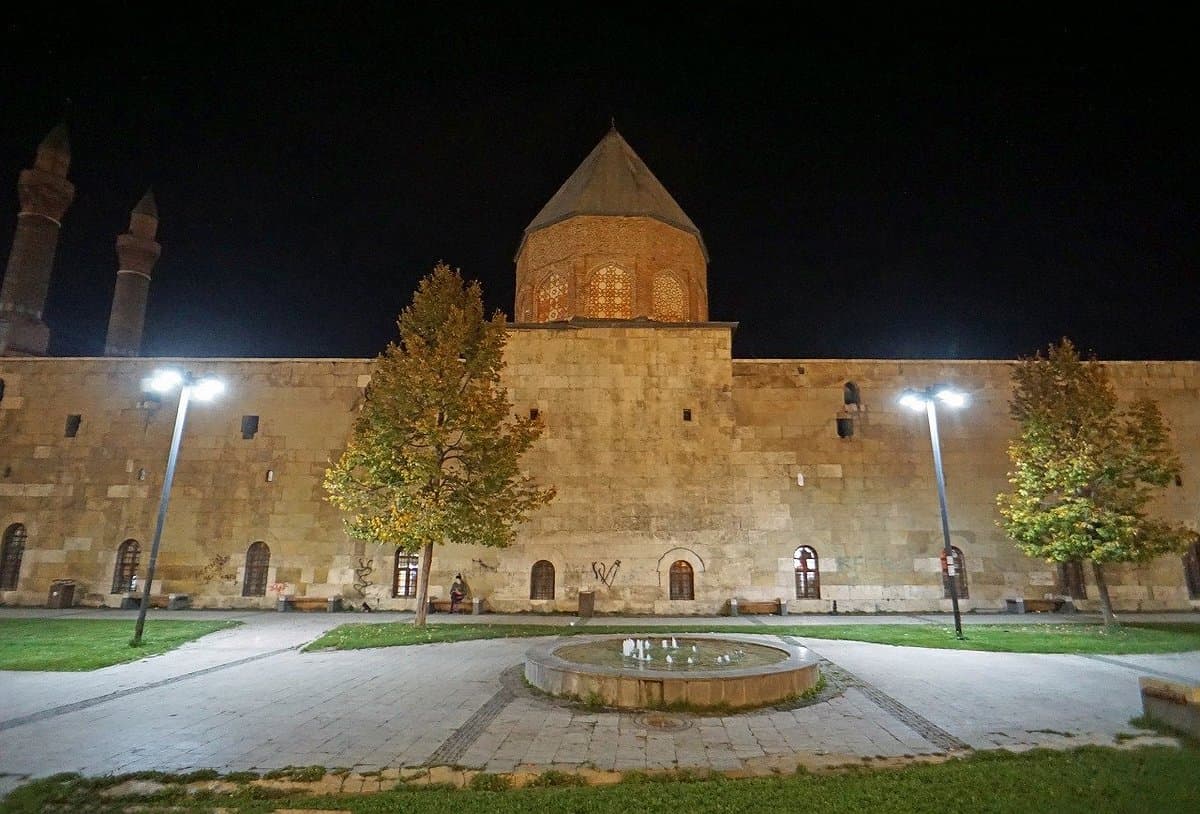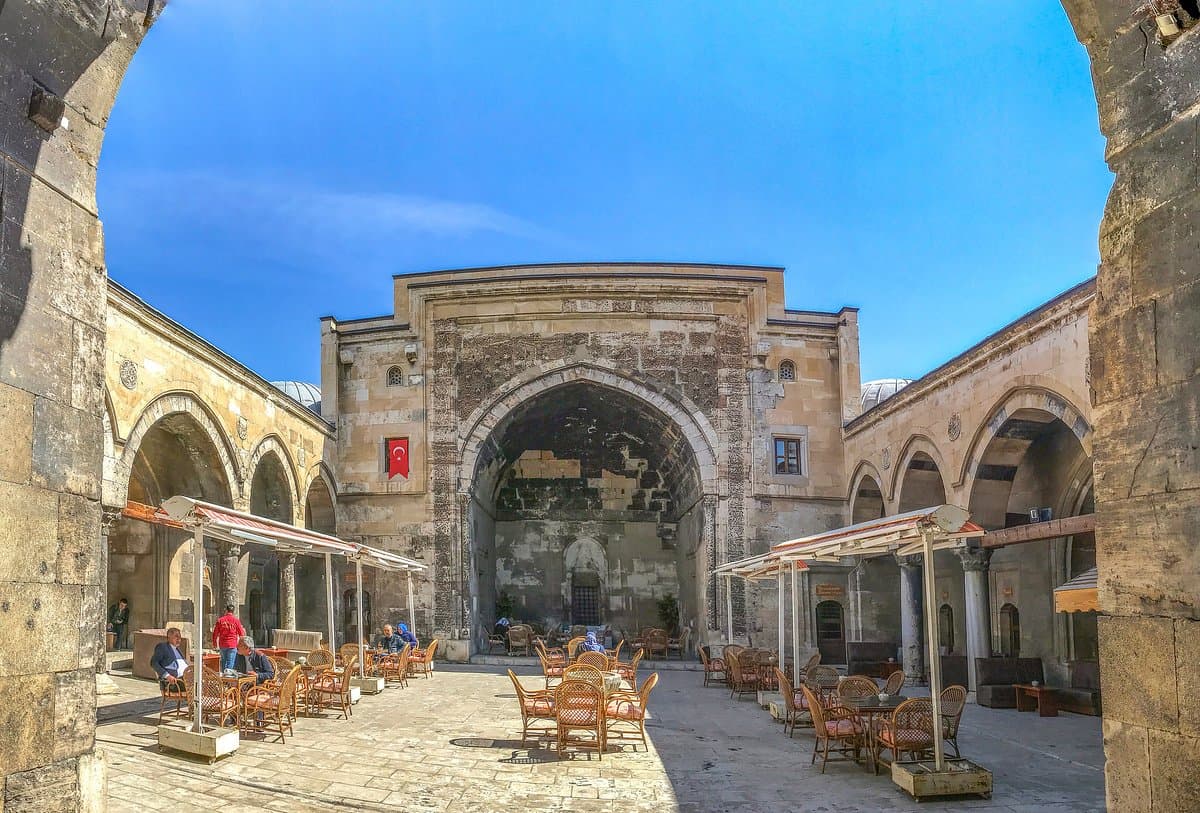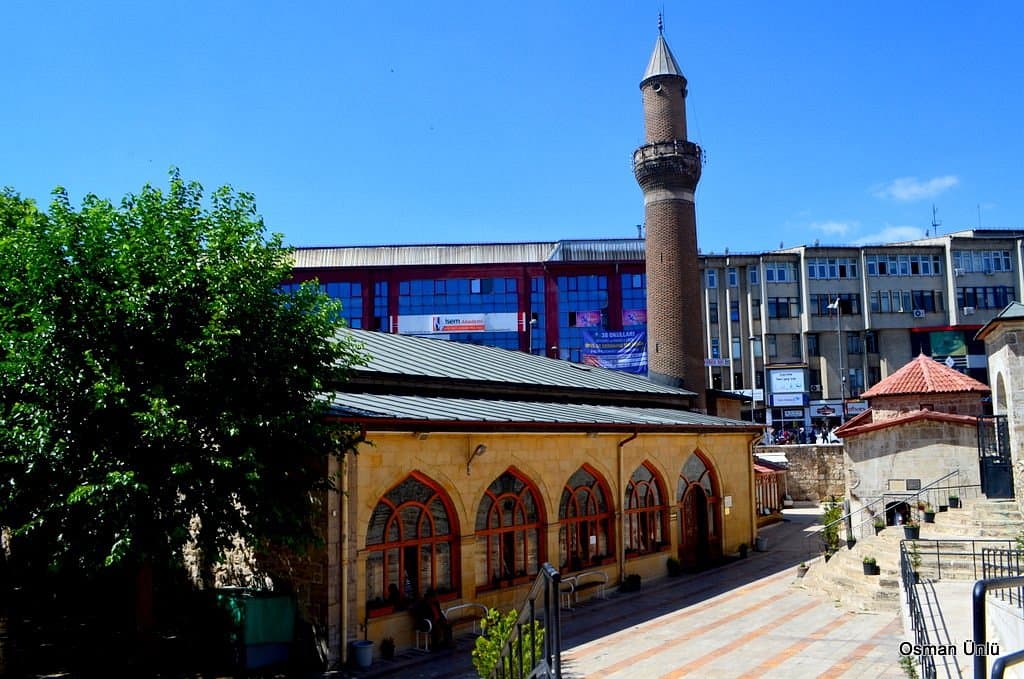
The Sivas Grand Mosque (Ulu Camii) stands as a testament to Seljuk-era architecture, making it one of Anatolia's oldest and most important grand mosques. Built in the 12th century, it showcases the distinct architectural style of the period, characterized by its single minaret and spacious prayer hall. It's a key historical and religious site in Sivas, offering a glimpse into the region's rich past.
Visitors consistently highlight the mosque's unique leaning minaret, often comparing it to the Tower of Pisa, as a major draw. Many praise the overall architectural beauty and the sense of history that permeates the site. Reviewers frequently mention the mosque's large garden and the peaceful atmosphere. However, some recent visitors have noted that the mosque has been undergoing extensive renovation and restoration work, which can limit access to certain areas or obscure parts of the interior. It's advisable to check for current renovation status before visiting if seeing the interior is a priority.
To make the most of your visit, allocate about 30-60 minutes to explore the mosque and its surroundings. The best time to visit is typically outside of Friday prayer times, as the mosque can become very busy. Women should bring a head covering to show respect, and modest dress is recommended for all visitors. While there's no entry fee, donations are usually welcome. Consider visiting in the morning for fewer crowds and better light for photography.
The Sivas Grand Mosque is conveniently located in the city center of Sivas, making it easily accessible on foot from many central hotels and attractions. Public transportation options within Sivas, such as local buses or taxis, can also bring you directly to the vicinity of the mosque. As it's a prominent landmark, local drivers and residents are generally familiar with its location.
The primary complaint among recent visitors revolves around the ongoing renovation work. To mitigate this, consider contacting local tourism offices or checking recent online reviews for updates on the restoration progress. If the interior is largely inaccessible, focus on appreciating the exterior architecture, particularly the leaning minaret, and the surrounding historical area.