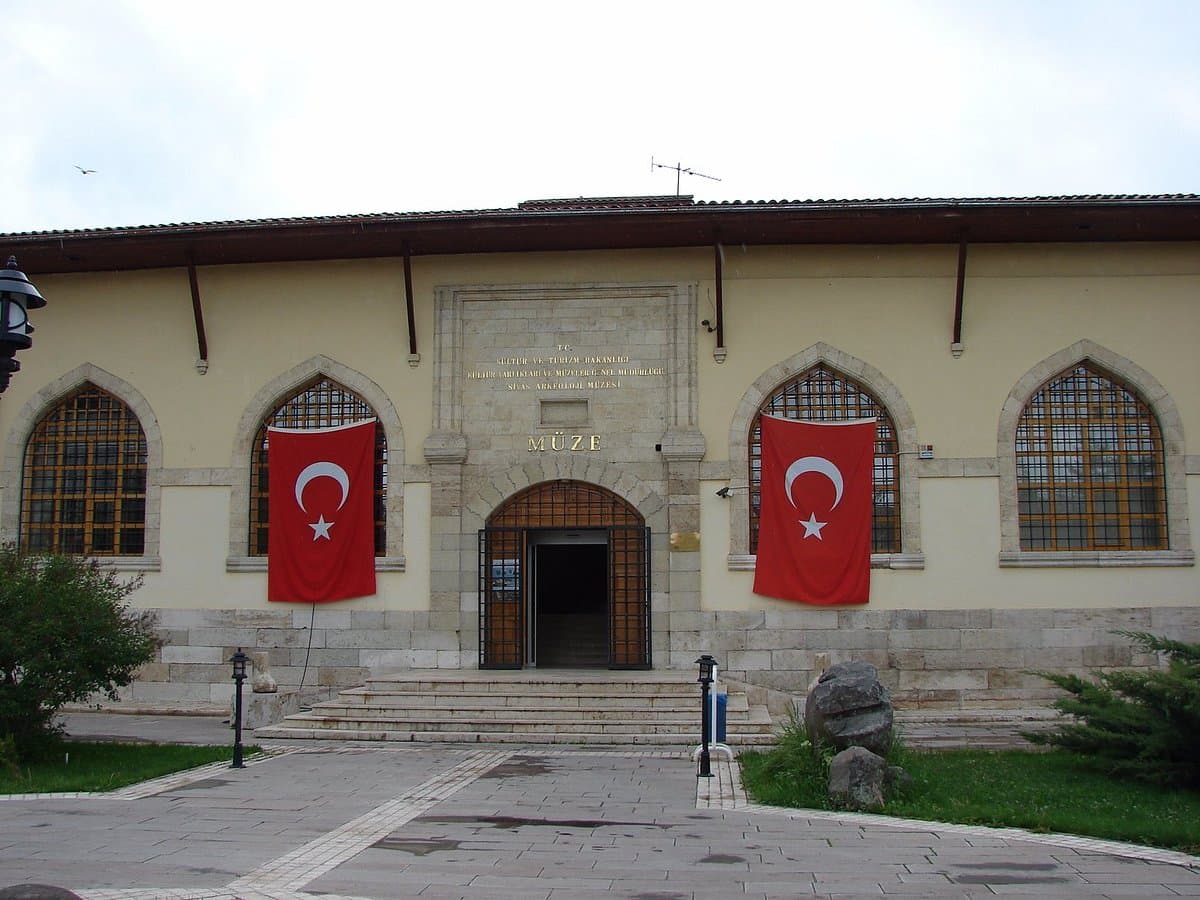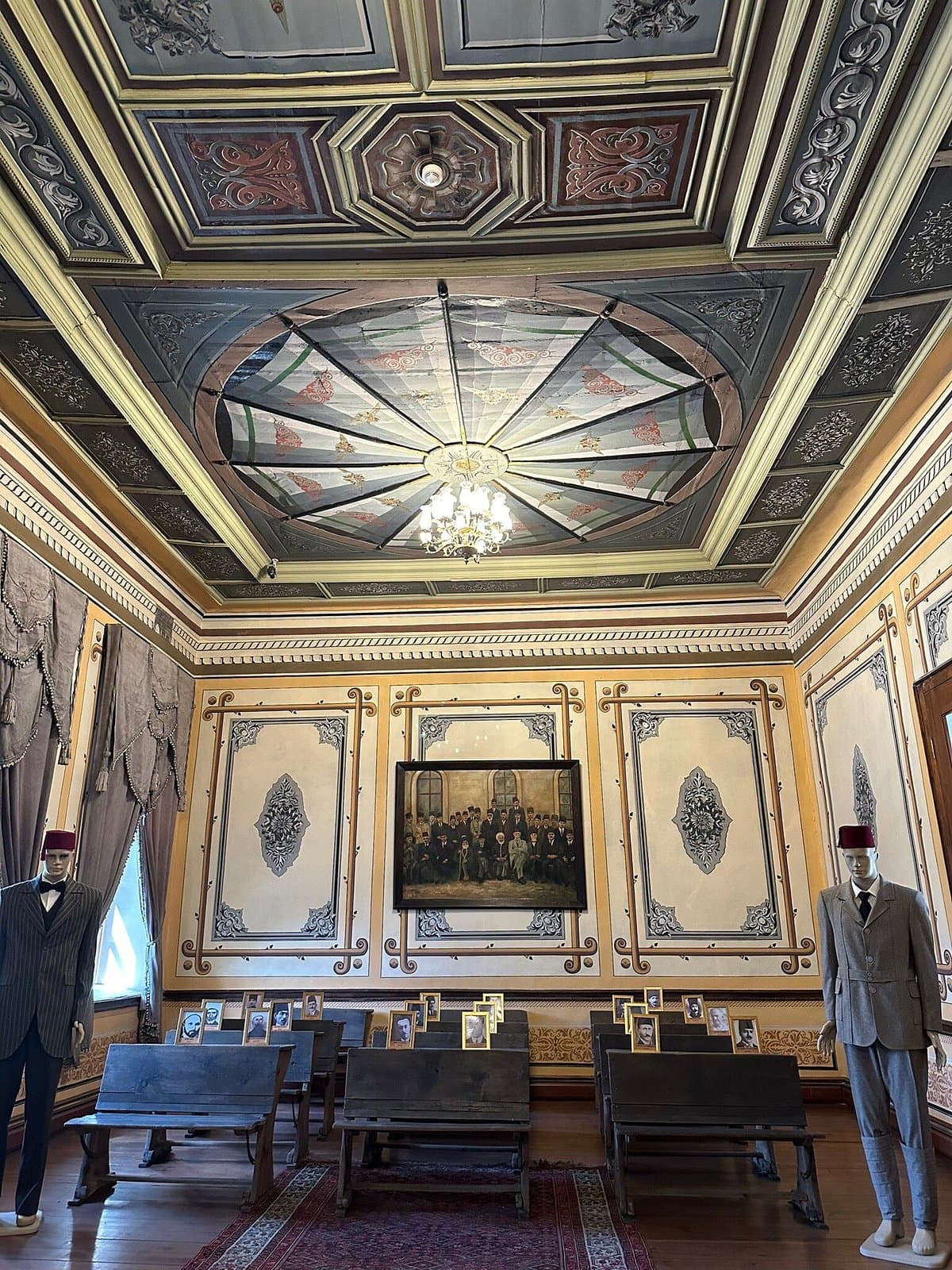
The Atatürk Congress and Ethnography Museum is housed in the former Sivas High School for Boys, a building of immense historical significance as the venue for the Sivas Congress in 1919. This pivotal event, led by Mustafa Kemal Atatürk, laid the foundations for the Turkish War of Independence and the subsequent establishment of the Turkish Republic. The museum effectively captures the spirit of this era, allowing visitors to connect with a defining moment in Turkish history.
Visitors consistently praise the museum for its historical depth and the palpable sense of being in a place where a nation's destiny was shaped. Many reviewers highlight the congress hall as a particularly moving experience, noting the opportunity to walk in the footsteps of Atatürk and his comrades. The ethnographic section, while sometimes described as secondary to the historical exhibits, is also appreciated for its collection of traditional Sivas artifacts, including weapons, clothing, and carpets. Reviewers frequently mention the well-maintained nature of the building and the overall immersive atmosphere.
To make the most of your visit, allocate at least 1.5 to 2 hours to explore both the historical and ethnographic sections thoroughly. Several visitors recommend hiring a local guide or visiting with someone knowledgeable about Turkish history, as English explanations for exhibits are often limited or entirely absent. This will significantly enhance your understanding of the complex historical context. While the museum is generally open, some reviewers noted that the main entrance might occasionally be closed, requiring visitors to use a back door. It's advisable to check current opening hours and entrance details before your visit.
The museum is centrally located on Taşlı Sokak in Sivas Merkez. It is easily accessible by walking from many central points in Sivas. For those arriving by public transport, local buses or taxis can take you directly to the vicinity of the museum. Parking options for private vehicles might be limited in the immediate area, so consider using nearby public parking facilities if driving.
A common complaint among international visitors is the lack of English translations for many of the historical documents and exhibit descriptions. This can make it challenging for non-Turkish speakers to fully grasp the nuances of the events and artifacts. To mitigate this, consider doing some preliminary research on the Sivas Congress and the Turkish War of Independence before your visit, or as suggested, arrange for a guide. While the entrance is paid, many visitors feel the historical value far outweighs the cost, though some express surprise that such a significant national site isn't free.