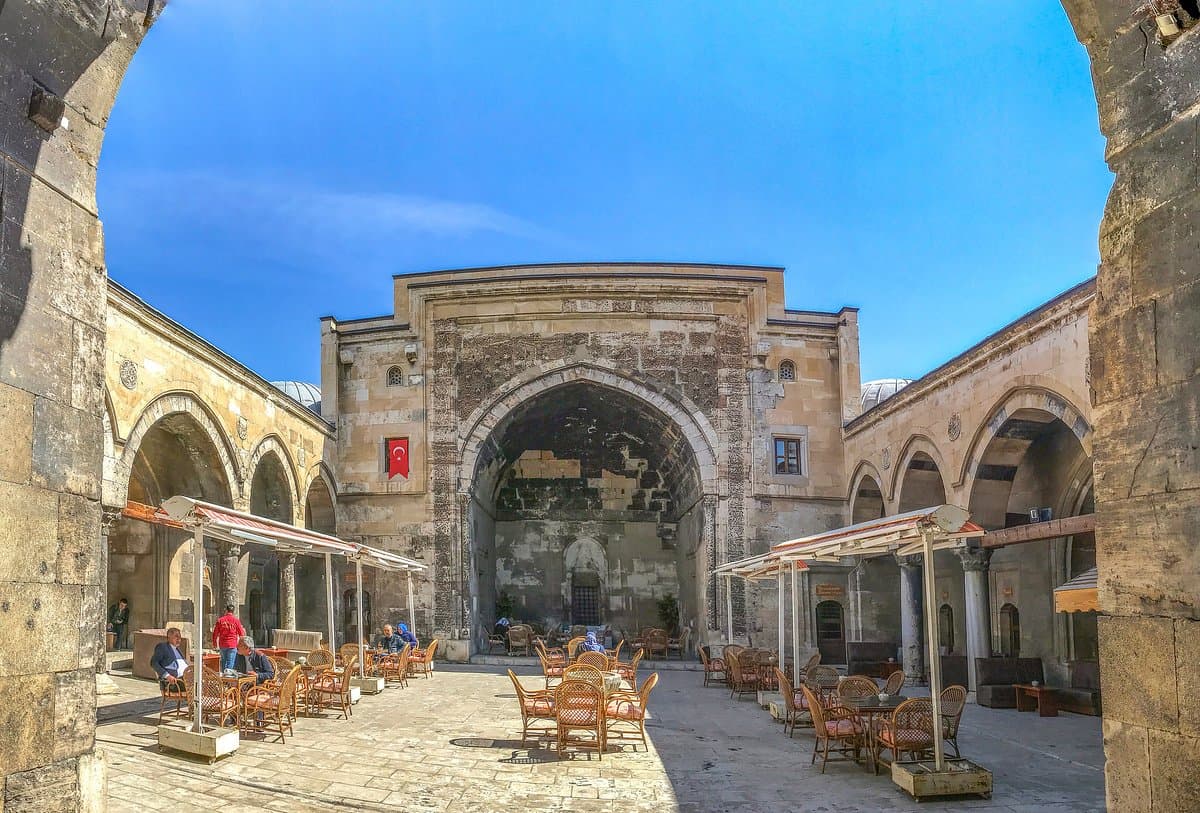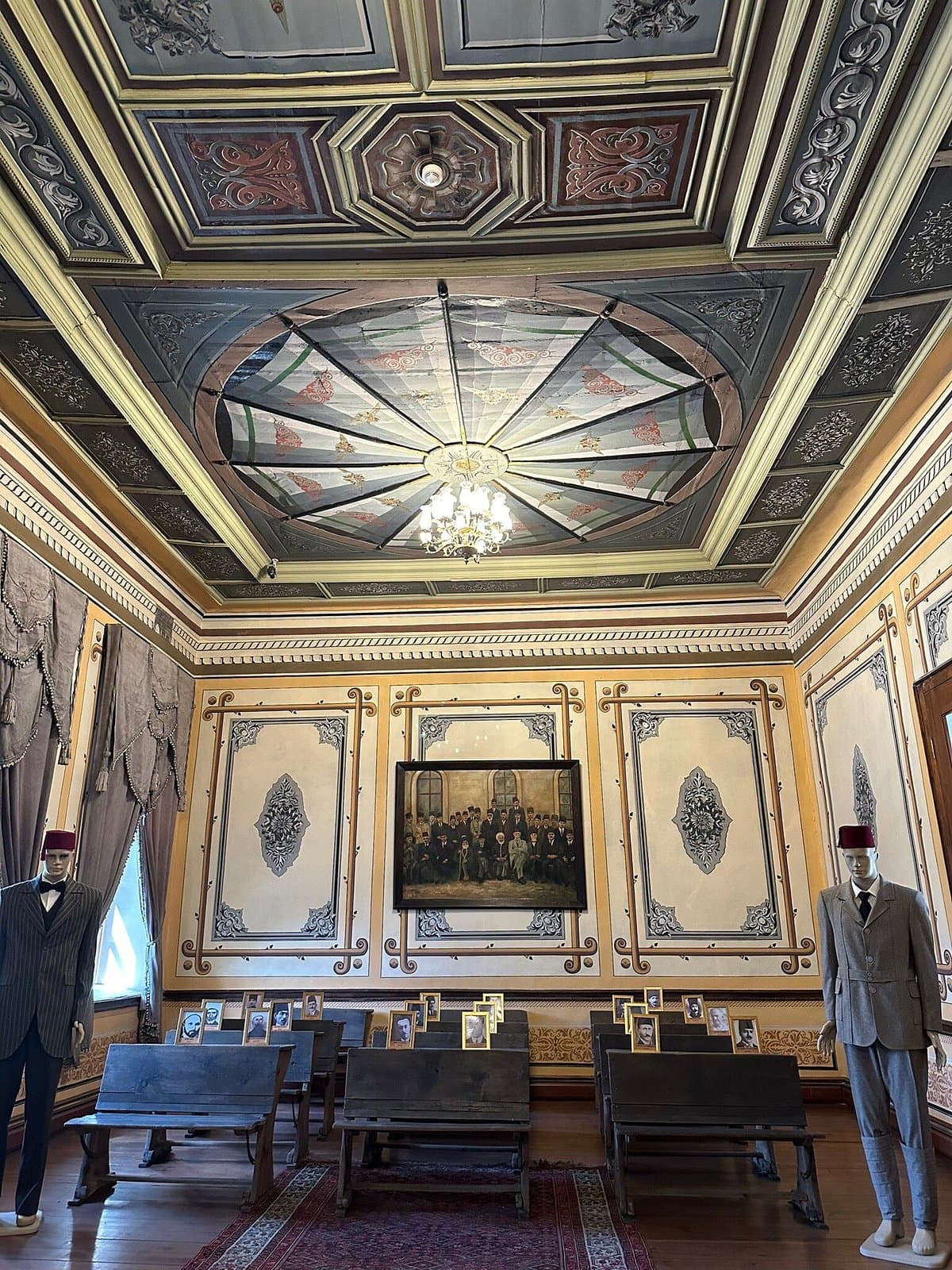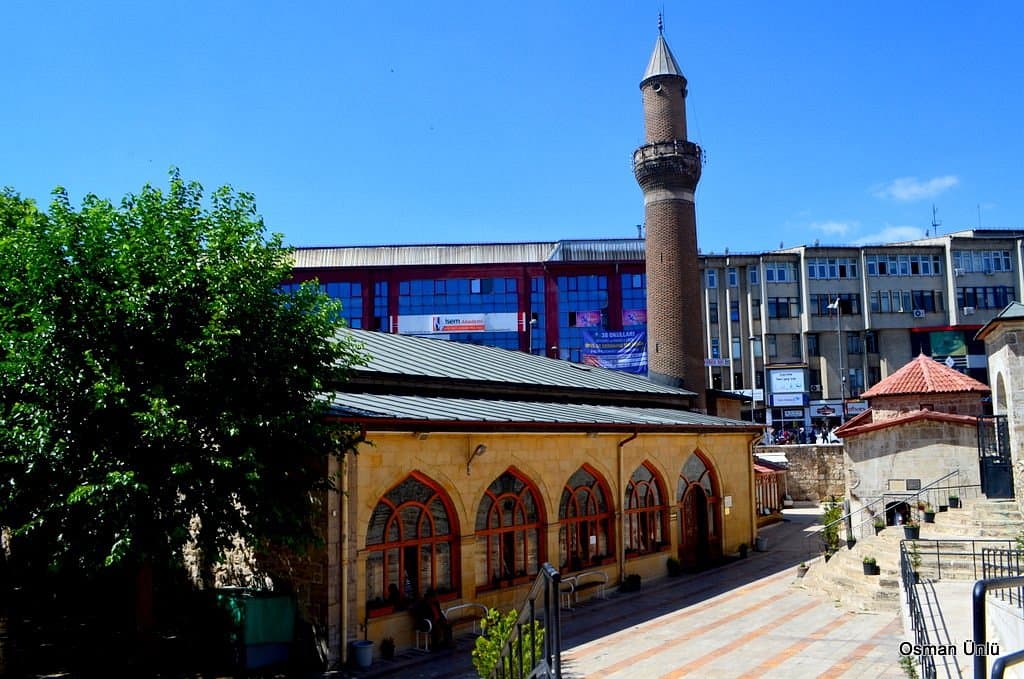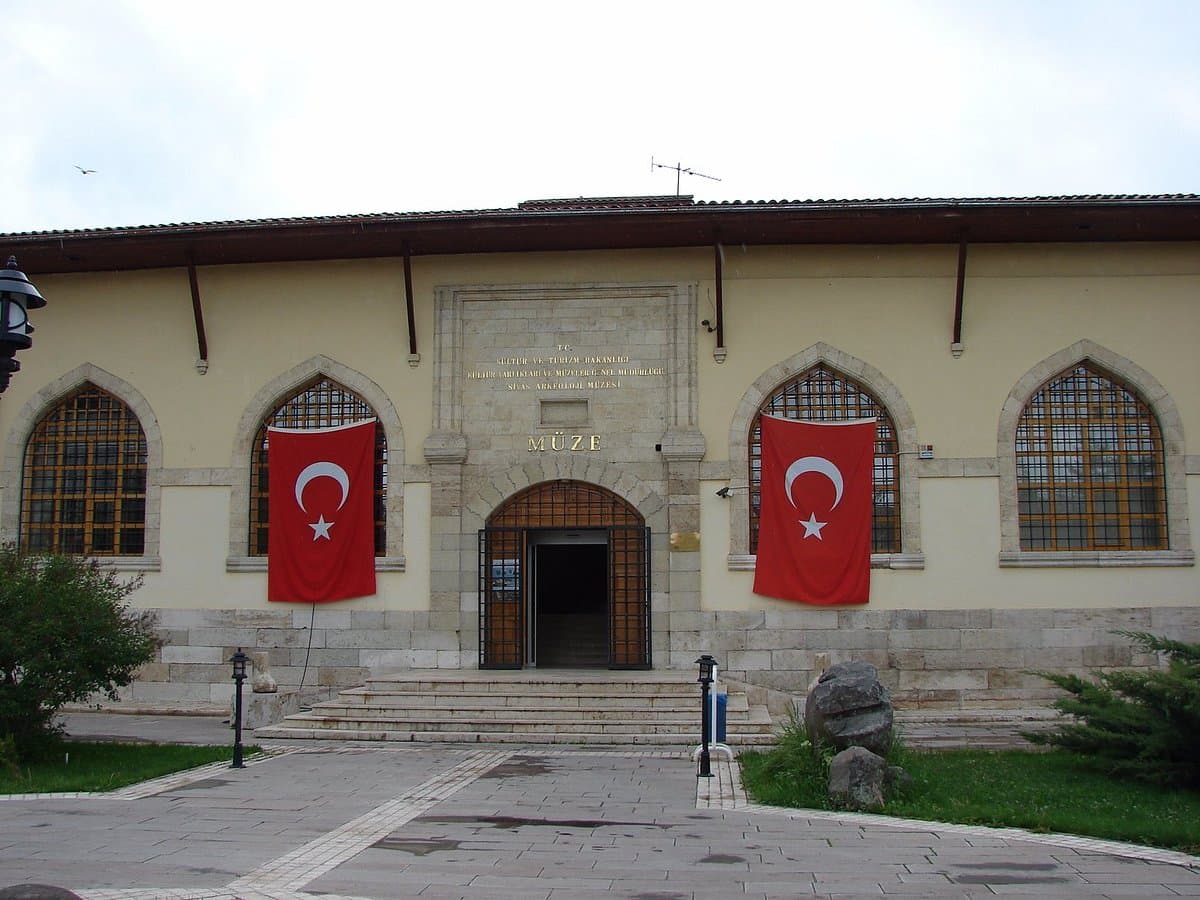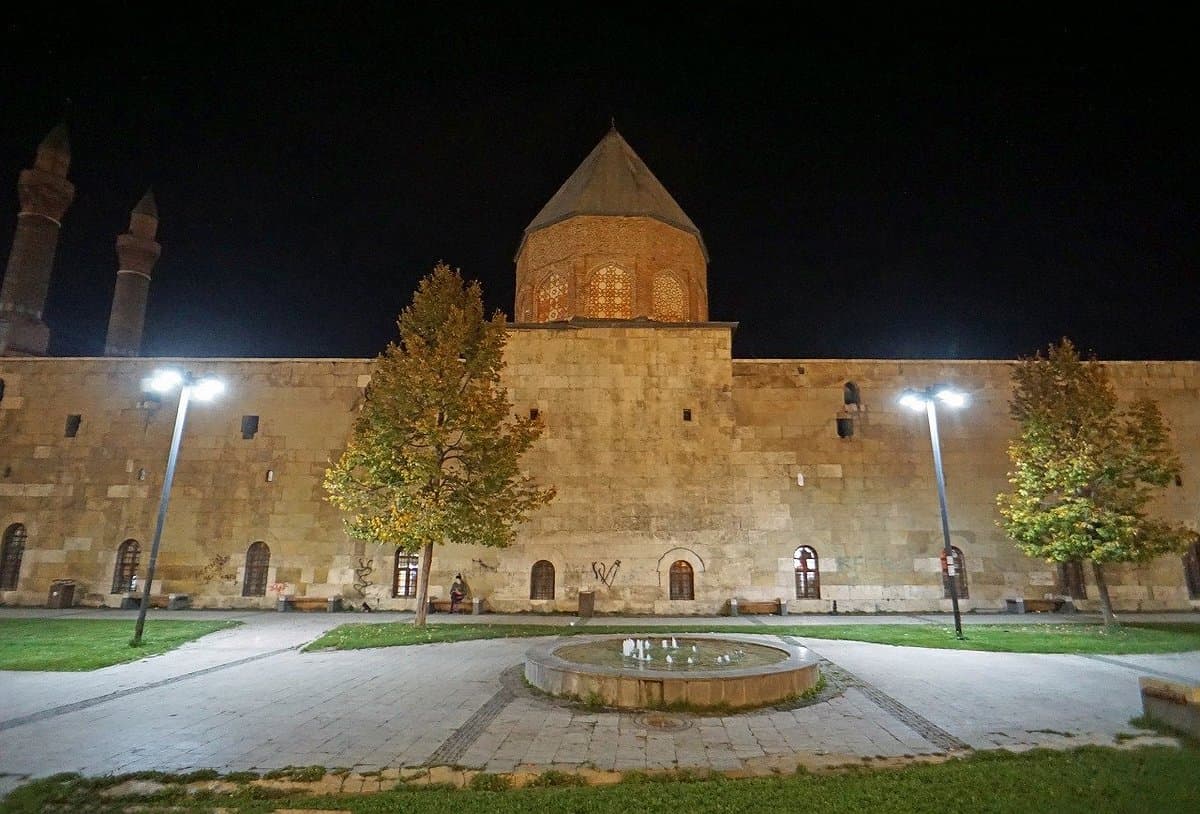
The Sifaiye Madrasa, originally known as Darüşşifa (House of Healing), is a remarkable 13th-century Seljuk complex in Sivas. Built in 1217 by Sultan Izzettin Keykavus I, it served as both a hospital and a medical training institution, highlighting the sophisticated healthcare and educational systems of the Seljuk period. Its historical significance lies in its role as one of the earliest and most advanced medical schools in the region, continuing to function as such until the early 20th century.
Visitors consistently praise the madrasa's stunning Seljuk architecture, particularly its intricate stone carvings and engravings. Many reviewers highlight the opportunity to see the tomb of Sultan Keykavus I within the complex, which adds to its historical depth. The current adaptation of the building into a cafe and shops is generally well-received, as it allows visitors to explore the entire structure while enjoying a modern amenity. This blend of ancient history and contemporary use creates a unique atmosphere that many find appealing.
To fully appreciate the Sifaiye Madrasa, plan to spend about 1-2 hours exploring the architecture, the tomb, and perhaps enjoying a drink at the cafe. It's best visited during daylight hours to fully appreciate the stone details. Since it's located in the city center, it can be easily combined with visits to other nearby historical sites. There's no entry fee, making it an accessible and budget-friendly attraction.
The Sifaiye Madrasa is conveniently located in Selcuk Parki, right in downtown Sivas. Its central position means it's easily reachable on foot from most central accommodations. If using public transport, aim for stops in the city center square, from which the madrasa is just a short walk. Parking might be challenging directly adjacent to the site due to its central location, so consider parking slightly further away and walking, or using a taxi.
While most visitors enjoy the experience, some might find the commercialization (cafes and shops) within a historical building slightly distracting from its original purpose. However, this adaptation also ensures the building's preservation and accessibility. To mitigate this, focus on the architectural details and the historical context before settling down for a refreshment.