St. Paul's Well is a significant historical and religious site located in the old town of Tarsus, Turkey. It is believed to be situated near the birthplace of Paul the Apostle, a pivotal figure in the spread of Christianity. The well itself is part of a larger archaeological area that includes remnants of an ancient house, thought by some to be Paul's family home. This site holds particular importance for Christian pilgrims and those interested in early Christian history, and it is recognized on UNESCO's tentative list of World Heritage Sites.
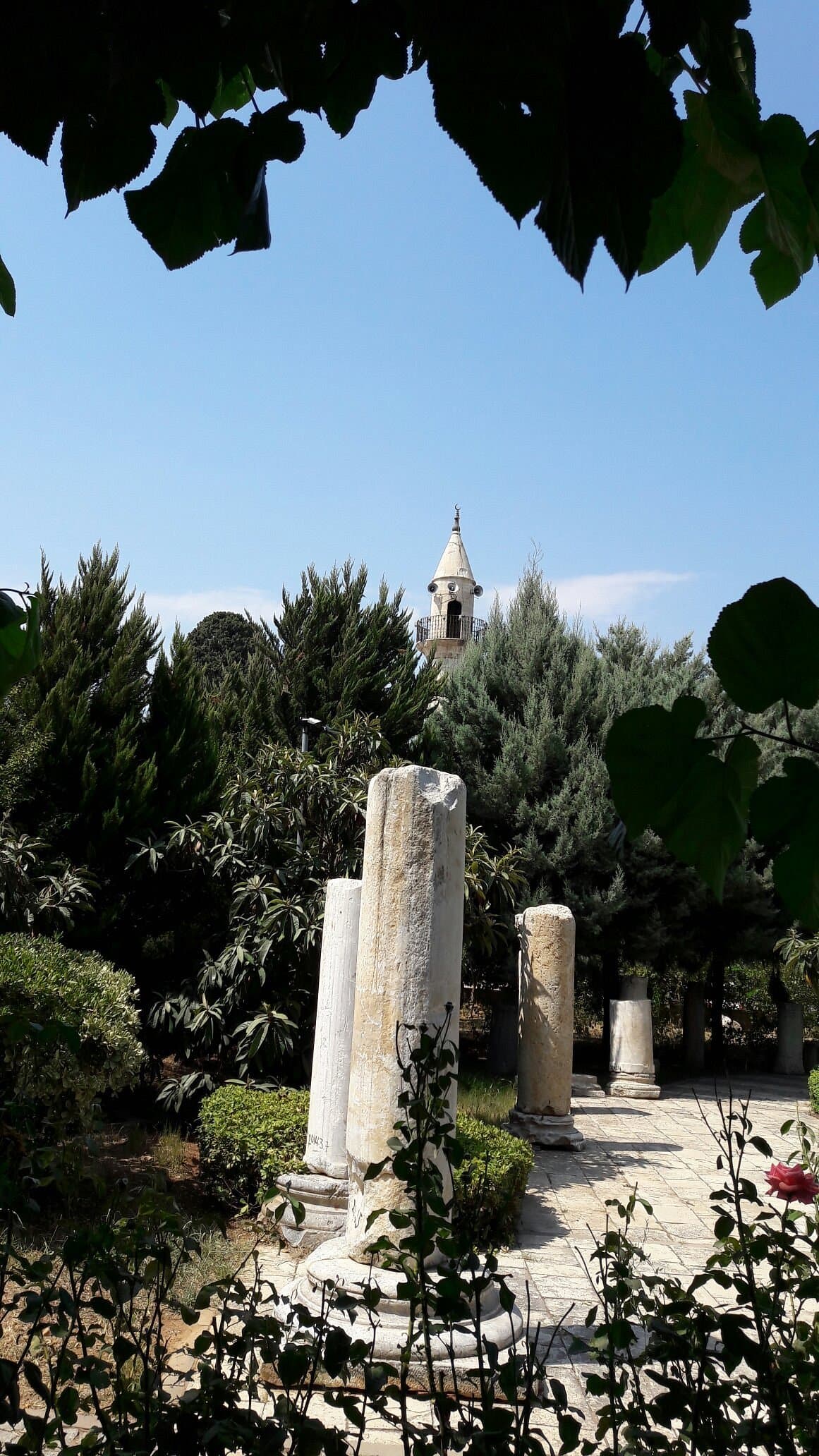
Visitors consistently praise the well-maintained gardens surrounding the site, noting them as a pleasant and shaded area to relax. Many find the historical context inspiring, especially those with an interest in religious history. The ability to see the well and the excavated ruins through glass covers is appreciated for preserving the site while allowing observation. Some reviewers highlight the opportunity to drink water from the well, which is considered holy by many, though this option is not always available. The site is also noted for its helpful ticket office, which often provides simple, handmade maps of historical Tarsus, aiding visitors in exploring the wider area.
To make the most of your visit, allocate about 30 minutes to an hour. The site is relatively small, but the surrounding old town of Tarsus is worth exploring. Visitors recommend asking at the ticket office if the well is open for drinking, as this is a unique experience for many. While some find the historical claims speculative, the site offers a tangible connection to an ancient past. It's best to visit during cooler parts of the day, especially in summer, as the site is outdoors. Bringing a water bottle is advisable, especially if the well is not accessible for drinking.
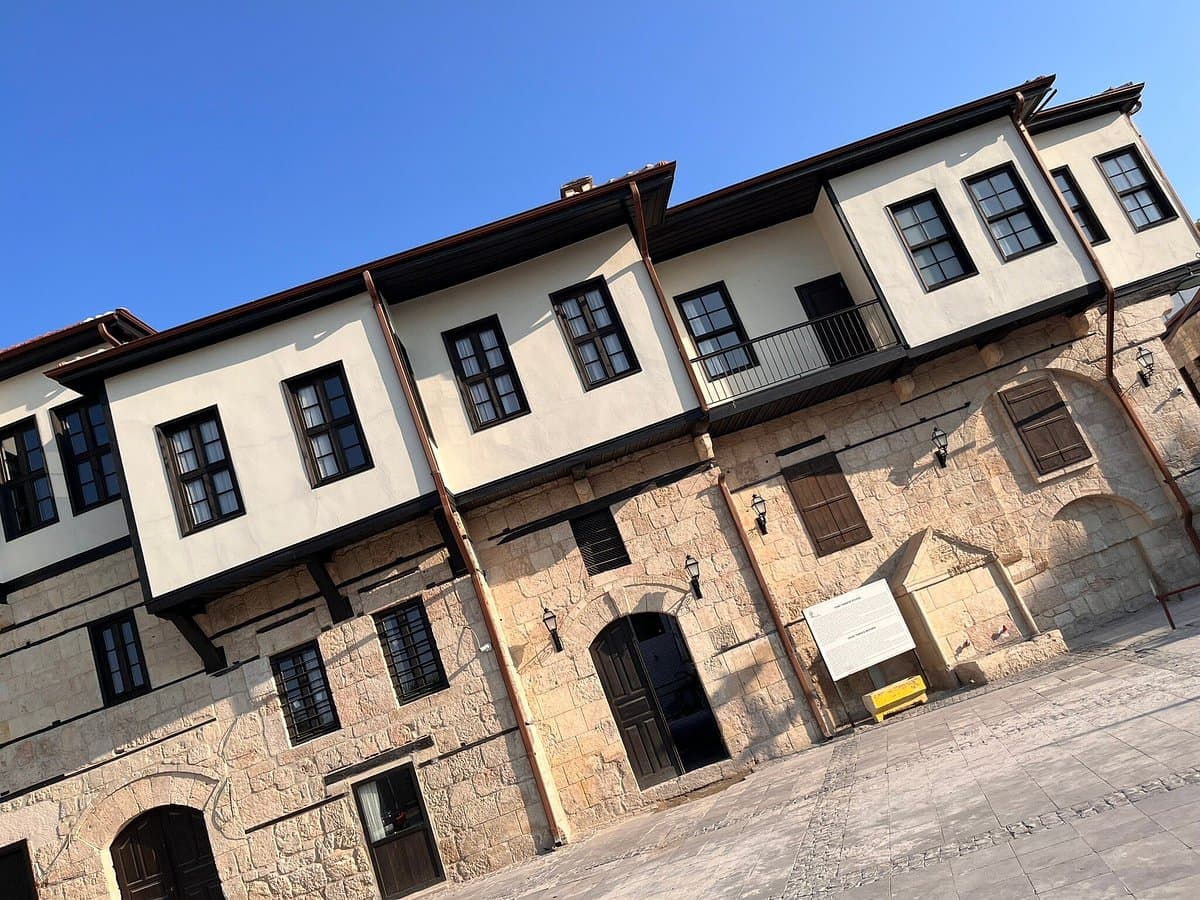
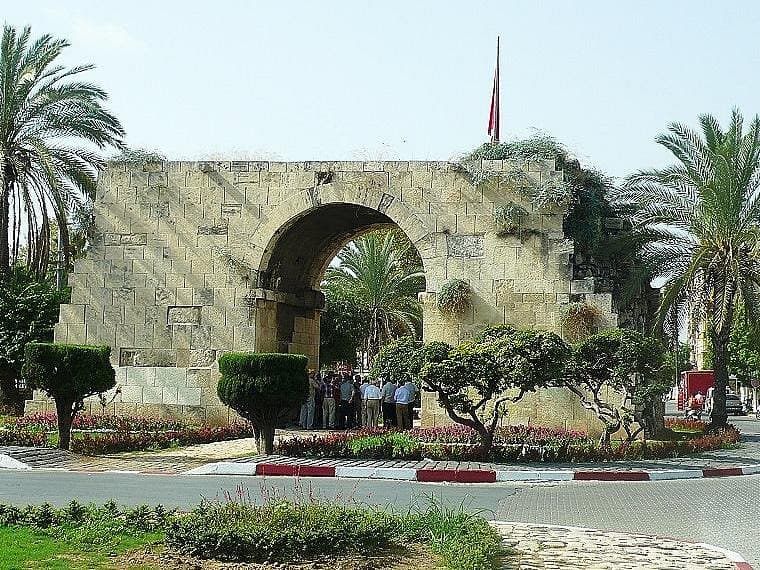
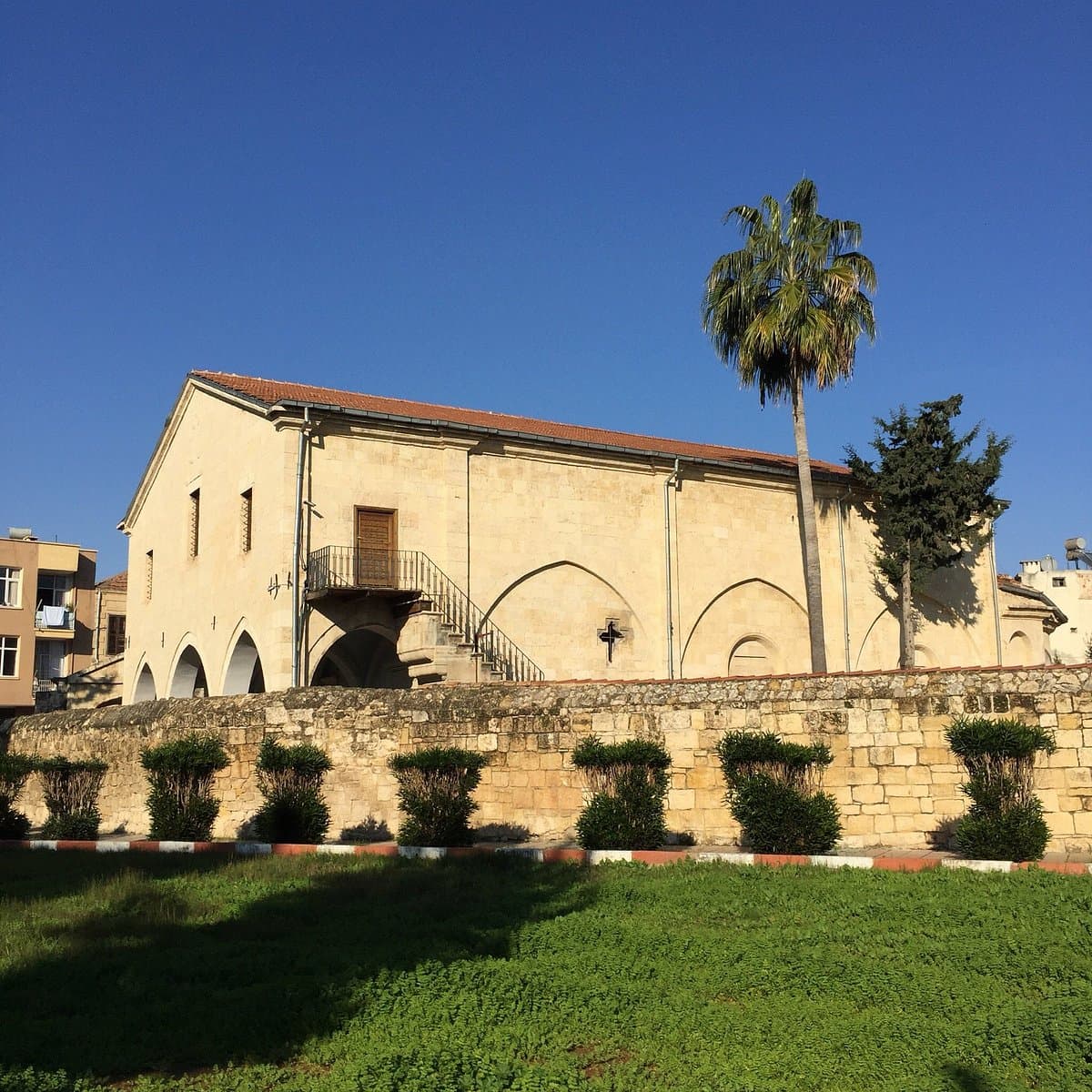
St. Paul's Well is centrally located in the old part of Tarsus. Many visitors arrive by train to Tarsus from Adana, a journey of about 45 minutes, and then walk to the site. Reviewers mention that the well is easy to locate within the town, often with road markings guiding the way. The surrounding neighborhood is a regular residential area, making for an interesting walk through local life. Parking is available nearby, though some visitors noted getting slightly lost when parking near the old church.
A common complaint among some visitors is the perceived lack of substantial historical evidence directly linking the well to St. Paul, leading to a feeling that the site relies heavily on 'maybes.' To mitigate this, approach the visit with an appreciation for the historical context and the site's significance as a pilgrimage destination, rather than expecting definitive proof. Some also feel that paying an entrance fee for a relatively small site, which can be partially viewed from the gate, is unnecessary. However, the fee contributes to the preservation of the site and provides access to the full experience, including the gardens and information.