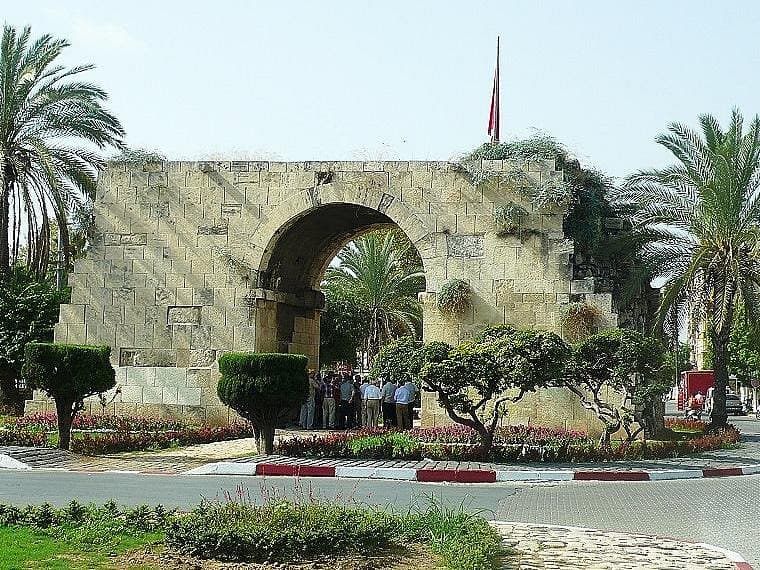
Cleopatra's Gate is a historical landmark in Tarsus, believed to be one of the last remaining parts of the ancient city walls. While local lore connects it to the famous meeting between Cleopatra and Mark Antony, historians suggest the current structure likely dates to the Byzantine or Abbasid periods. Nevertheless, it serves as a tangible link to Tarsus' rich past, once a significant port city.
Visitors consistently note the gate's prominent location in the middle of a busy roundabout, making it hard to miss. Many appreciate the opportunity to imagine the historical events associated with it, even if the direct link to Cleopatra is debated. However, some reviewers express disappointment with its heavily restored appearance, feeling it has lost some of its original historical charm and looks too modern. The gate's good condition is a result of this preservation work, which some find detracts from its authenticity.
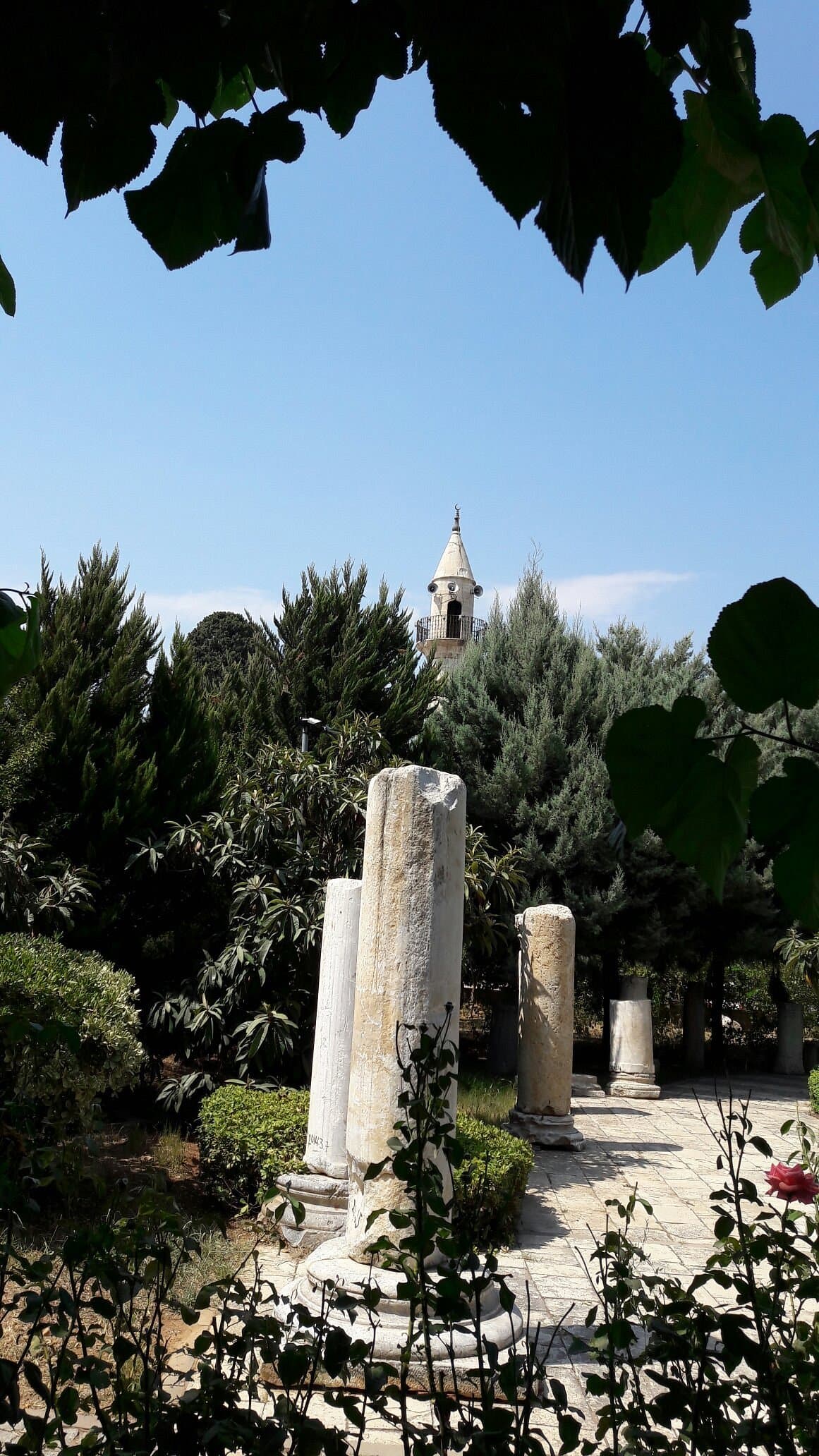
For a visit, allocate about 15-30 minutes. It's primarily a photo opportunity rather than an extensive site. The best time to visit is during daylight hours, but be mindful of traffic around the roundabout. There's a small area nearby with other minor ruins, and a recommended cafe called Meyve Doktoru offers fresh juices. Parking can be tricky; if using a lot across the street, visitors advise negotiating the price beforehand.
The gate is easily accessible as it's located on a major street in Tarsus. Some visitors mention that airport transfer coaches from Adana stop near it, offering a much cheaper alternative to taxis. It's also not far from other historical sites like Saint Paul's well and church, making it convenient to combine with other attractions in the area. Finding it is generally straightforward due to its central location, though some signage might be lacking.
The main complaint revolves around the gate's extensive restoration, which some feel has diminished its ancient character. To mitigate this, approach the site with an appreciation for its preservation rather than expecting a crumbling ruin. Focus on the historical narrative it represents and its role in the city's past, rather than solely its aesthetic.