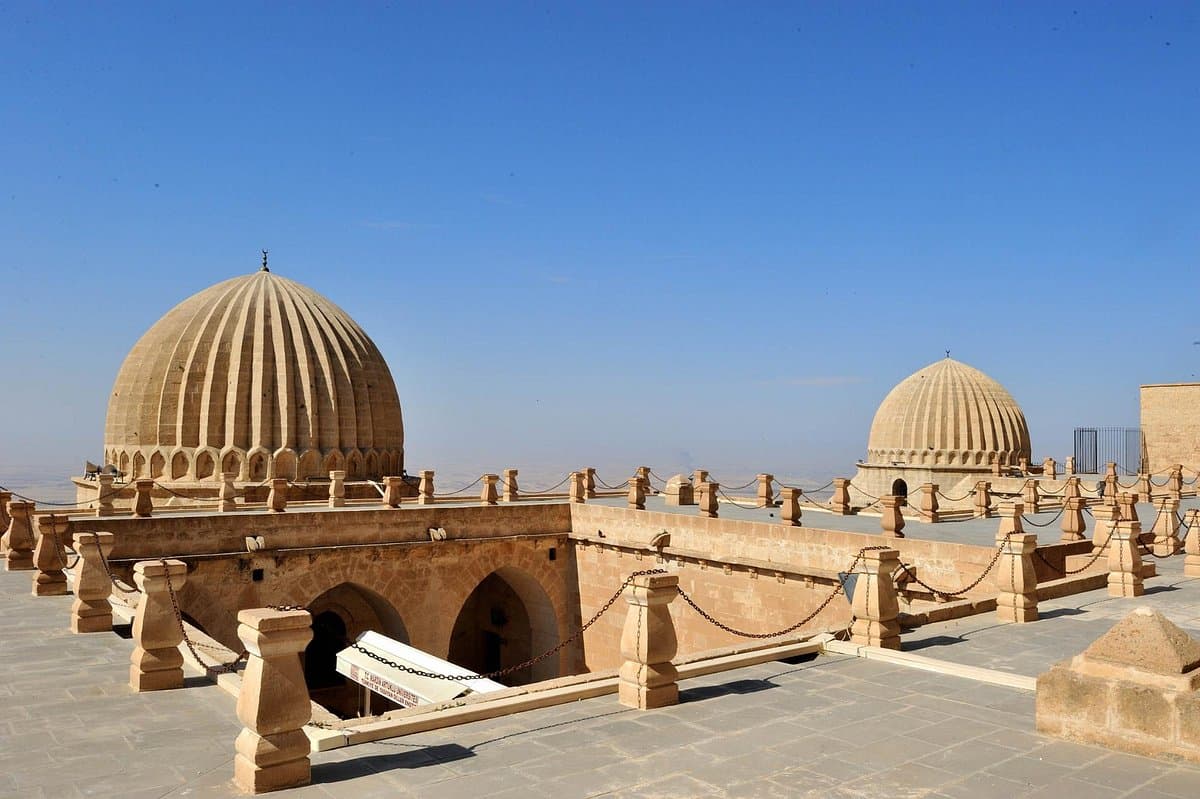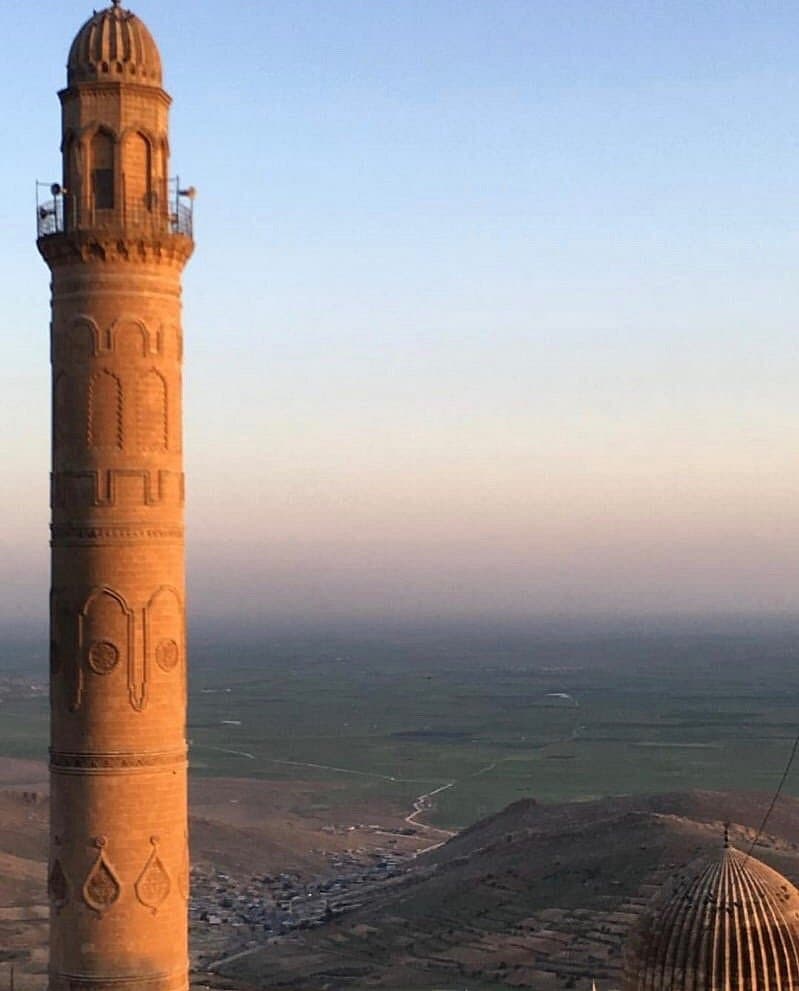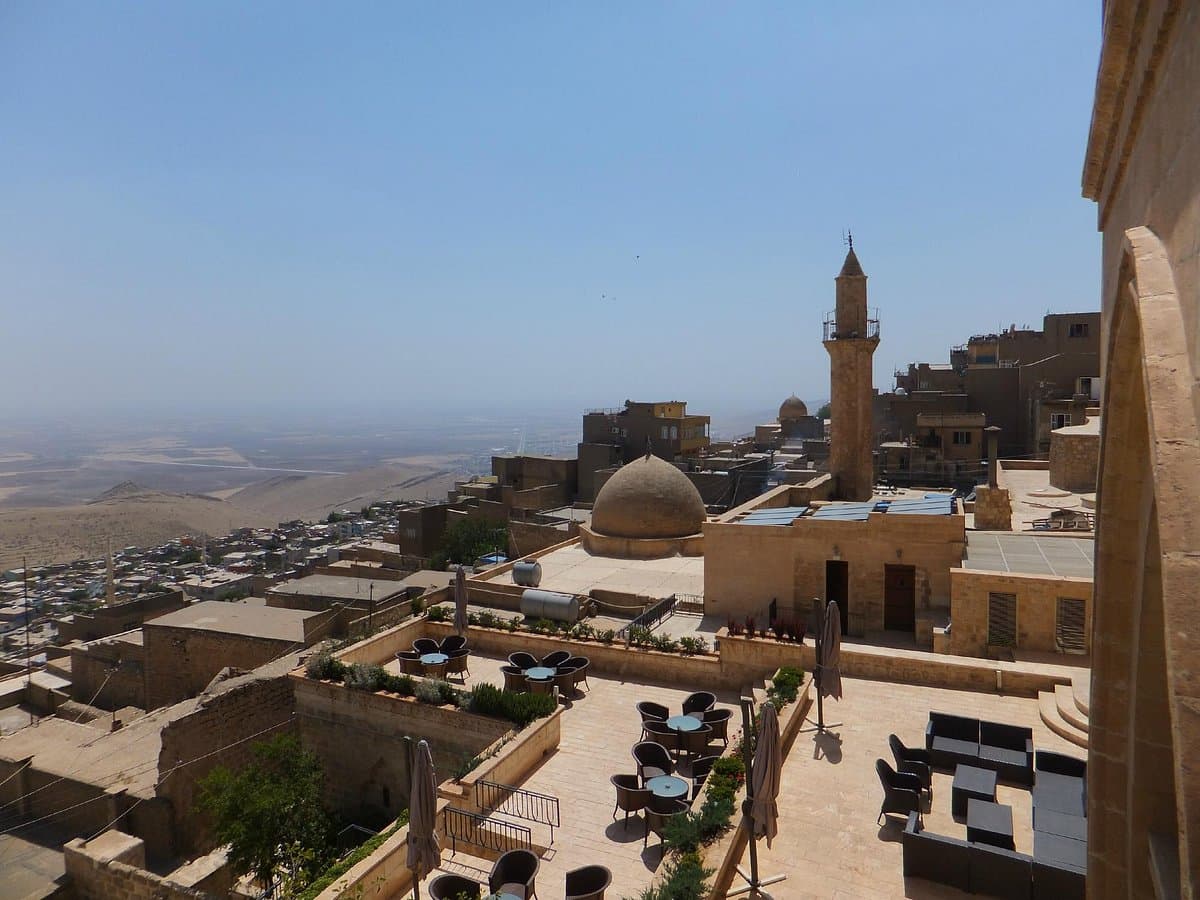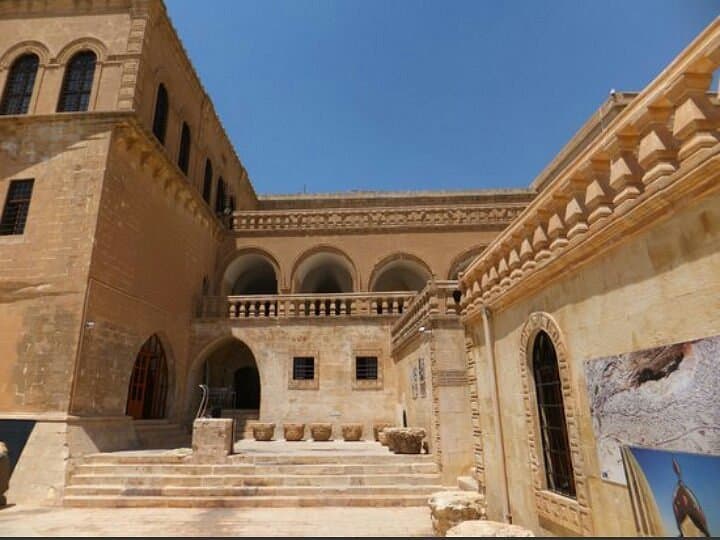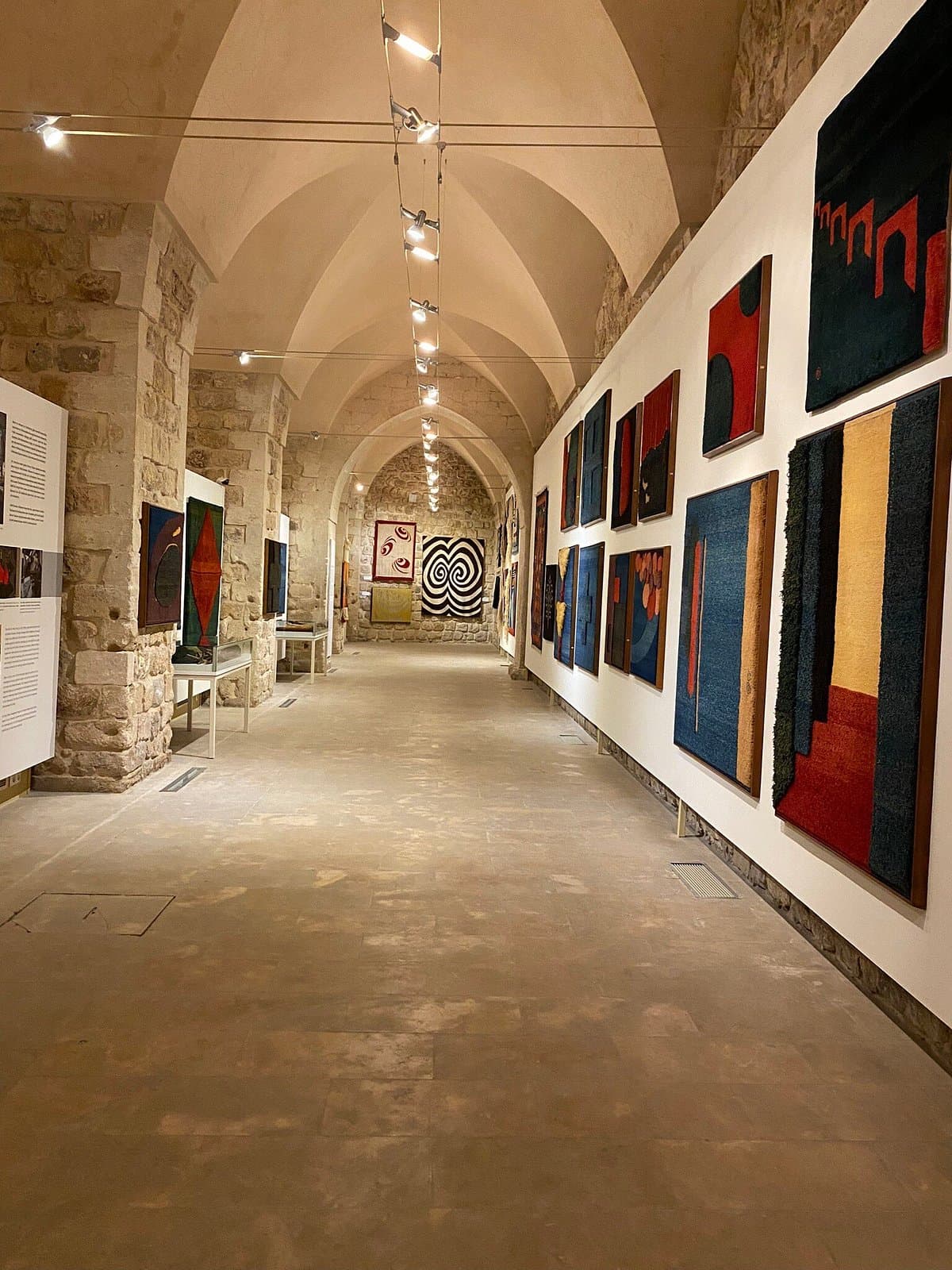
The Sabancı City Museum, housed in a beautifully renovated 19th-century barrack, serves as an essential gateway to understanding Mardin's profound history and vibrant multicultural identity. Gifted to the city by the Sabancı Group, it meticulously chronicles the region's past, from ancient civilizations to its more recent history, emphasizing the harmonious coexistence of diverse communities and faiths over centuries.
Visitors consistently highlight the museum's ability to provide an excellent overview of Mardin's history and culture. Many reviewers recommend visiting it first upon arrival in Mardin, as it helps contextualize the sights and experiences encountered later in the city. The exhibits are praised for being well-laid out, informative, and often available in both Turkish and English, making them accessible to a broad audience. The museum effectively uses photographs, household artifacts, wax statues, and art to illustrate the daily life, crafts, and traditions of Mardin's inhabitants. The photographic exhibitions, particularly those depicting late 19th-century Turkey or the city's ethnographic past, receive frequent commendation.
To make the most of your visit, allocate approximately 1 to 2 hours. The museum is air-conditioned, offering a comfortable respite, especially during warmer months. Reviewers appreciate the clean facilities, including restrooms. While the museum is generally small, its comprehensive nature means visitors often spend more time than initially anticipated due to the engaging content. It's advisable to bring a camera, as photography is generally permitted, allowing you to capture the interesting displays.
The museum is conveniently located in Gül Mahallesi, on Eski Hükümet Caddesi Merkez in Mardin. Given Mardin's compact old city, the museum is easily accessible on foot from many central points. For those arriving from further afield, local taxis or dolmuş (shared minibuses) are readily available and can drop you close to the museum's entrance. Parking in the immediate vicinity might be challenging due to the narrow streets of the old city, so walking or using public transport is often the most practical option.
While overwhelmingly positive, a few visitors have noted the museum's relatively small size. However, most agree that its comprehensive and well-curated content more than compensates for its compact footprint. Some older reviews mention a very low entry fee or free admission, which remains a consistent positive aspect, making it an excellent value for the insights it provides.