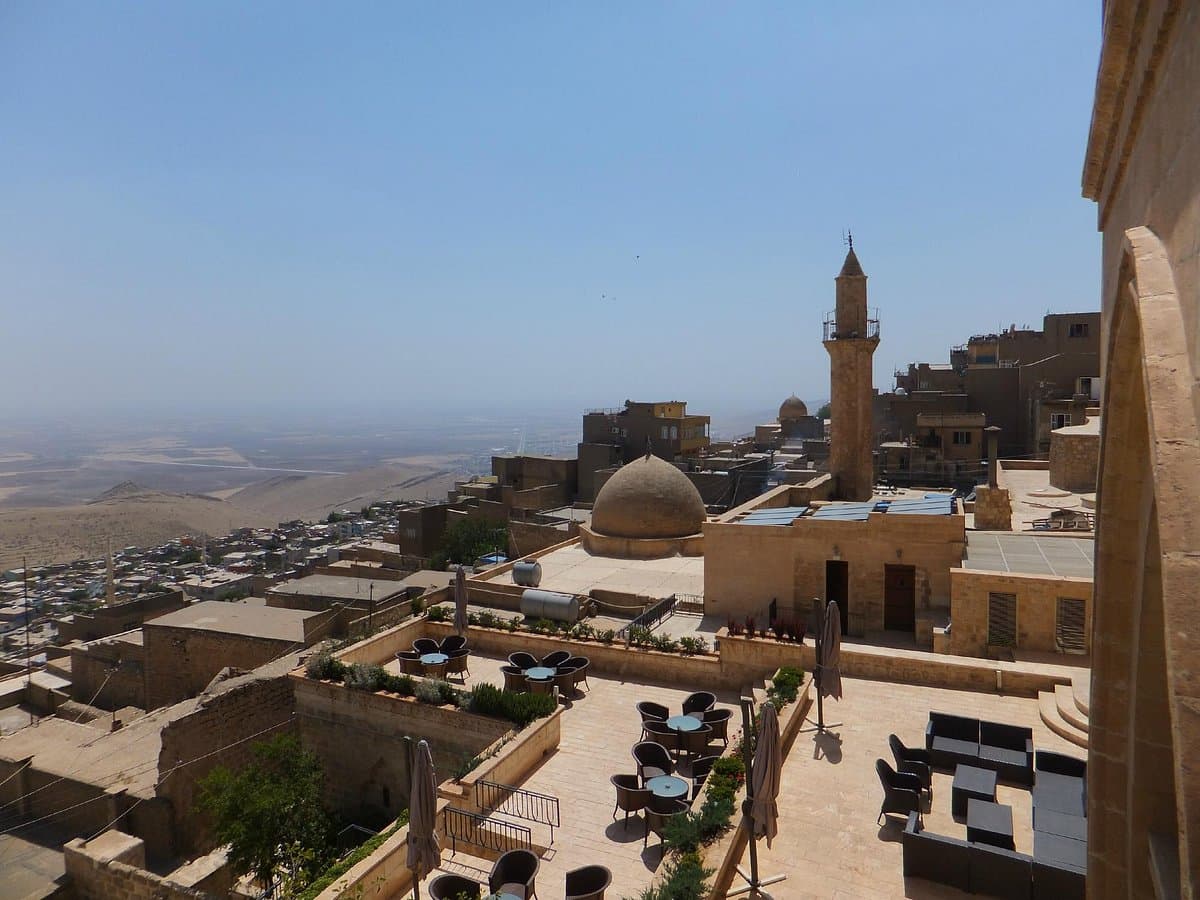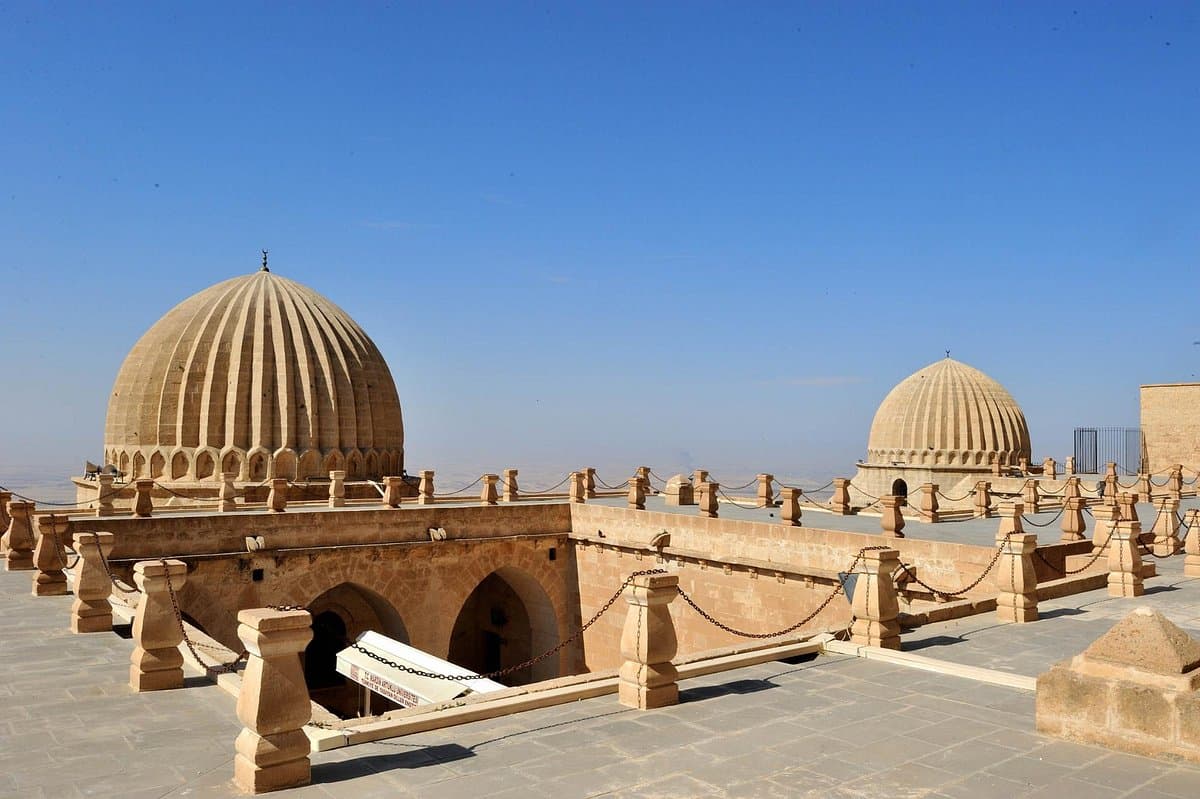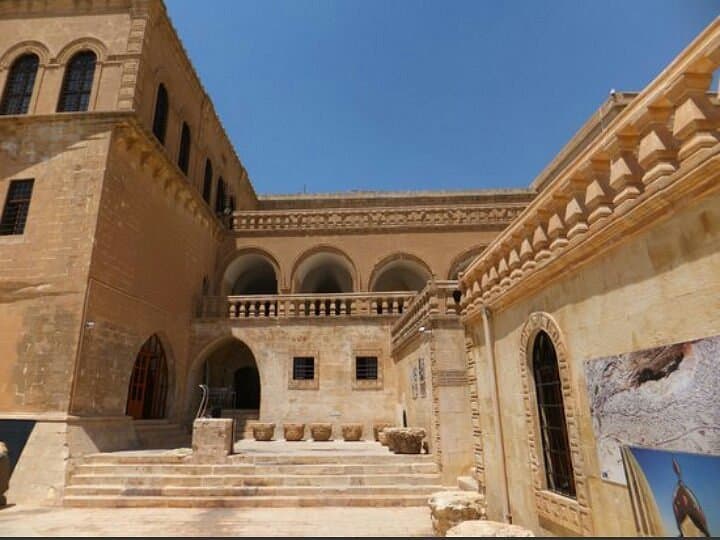
The Mardin Archaeology and Ethnography Museum is a key cultural institution in Mardin, housed within a magnificent former Syriac Catholic Patriarchate building. It serves as a repository for the region's extensive history, showcasing artifacts from prehistoric times through the Ottoman era. The museum is particularly significant for its architectural beauty, which many visitors consider an attraction in itself, reflecting the distinctive honey-hued stone craftsmanship of Mardin.
Visitors consistently praise the museum's rich collection, which includes ancient pottery, coins, ethnographic displays, and even human skeletons. Many highlight the well-organized presentation of artifacts and the availability of English translations, making the exhibits accessible to international guests. The museum's unique feature of displaying confiscated fake artifacts also garners positive attention, offering an interesting perspective on cultural heritage protection. Reviewers frequently mention the pleasant atmosphere, cleanliness, and the professional, hospitable staff. Some visitors also enjoy the on-site coffee area with its views over Mesopotamia.
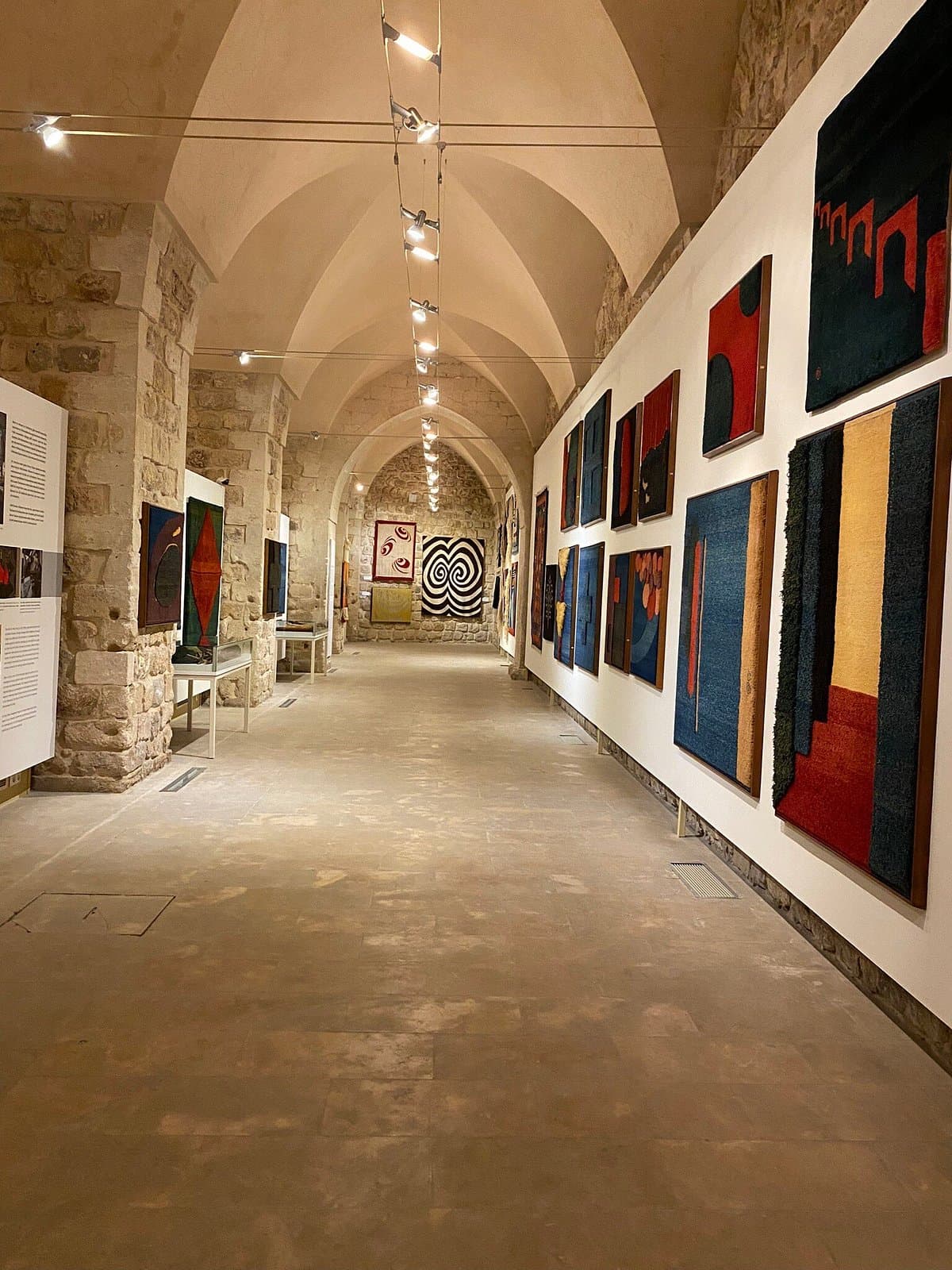
To make the most of your visit, plan to spend at least one to two hours exploring the exhibits. Many suggest visiting during midday to escape the heat, as the museum provides a cool and informative respite. While some exhibits are chronologically arranged, others are thematic, so be prepared for a varied experience. Don't miss the art exhibitions often held in the lower levels, which can feature interesting photography or contemporary art. Consider purchasing a Museum Card if you plan to visit multiple museums in Turkey, as it often allows free entry.
The museum is centrally located in the old part of Mardin, specifically above Cumhuriyet Meydanı (Republic Square) in the Şar Mahallesi. Its prominent location makes it easily accessible on foot from most points in Mardin's old town. Mardin itself is a city best explored by walking its narrow, winding streets. Taxis or local minibuses (dolmuş) can take you to the vicinity of Cumhuriyet Meydanı if you are coming from further afield or prefer not to walk uphill.
While generally well-regarded, some visitors note that the collection, though rich, can feel small compared to the city's vast history, and that the chronological order is not always strictly followed. Occasionally, parts of the museum might be undergoing renovation, limiting access to certain sections. To mitigate this, it's advisable to check for any renovation notices before your visit, though such information might not always be readily available. Some older reviews mention limited English-speaking guides, but the exhibit descriptions are generally in both Turkish and English.