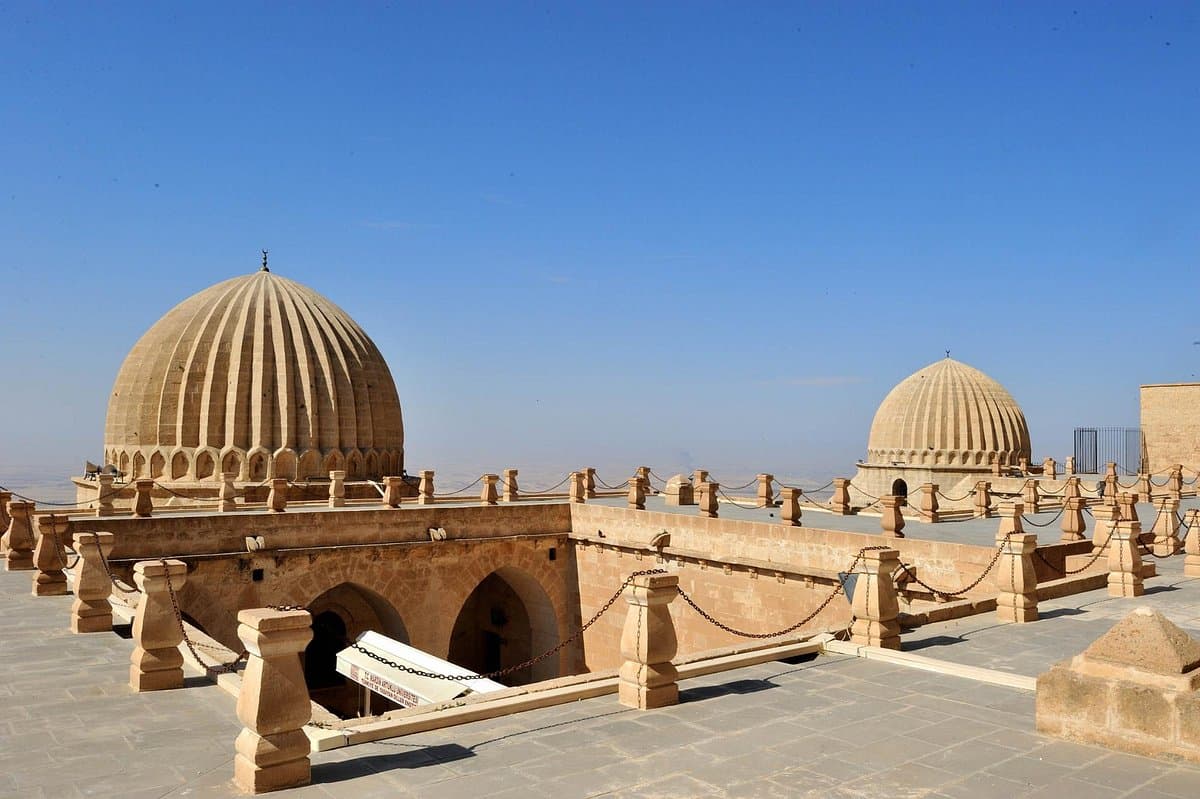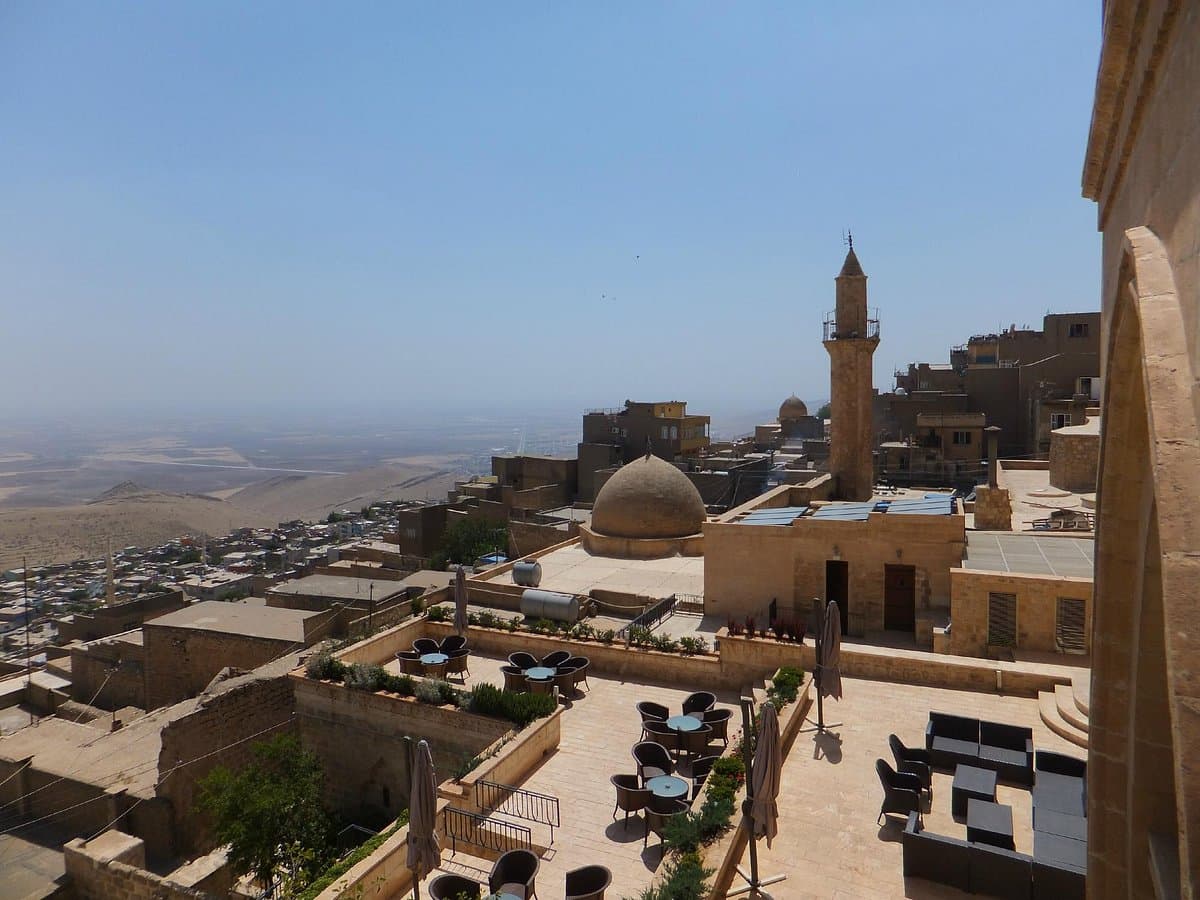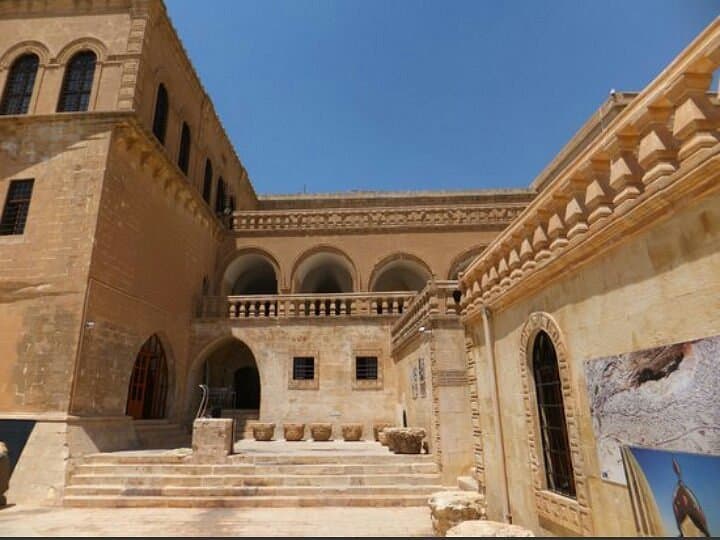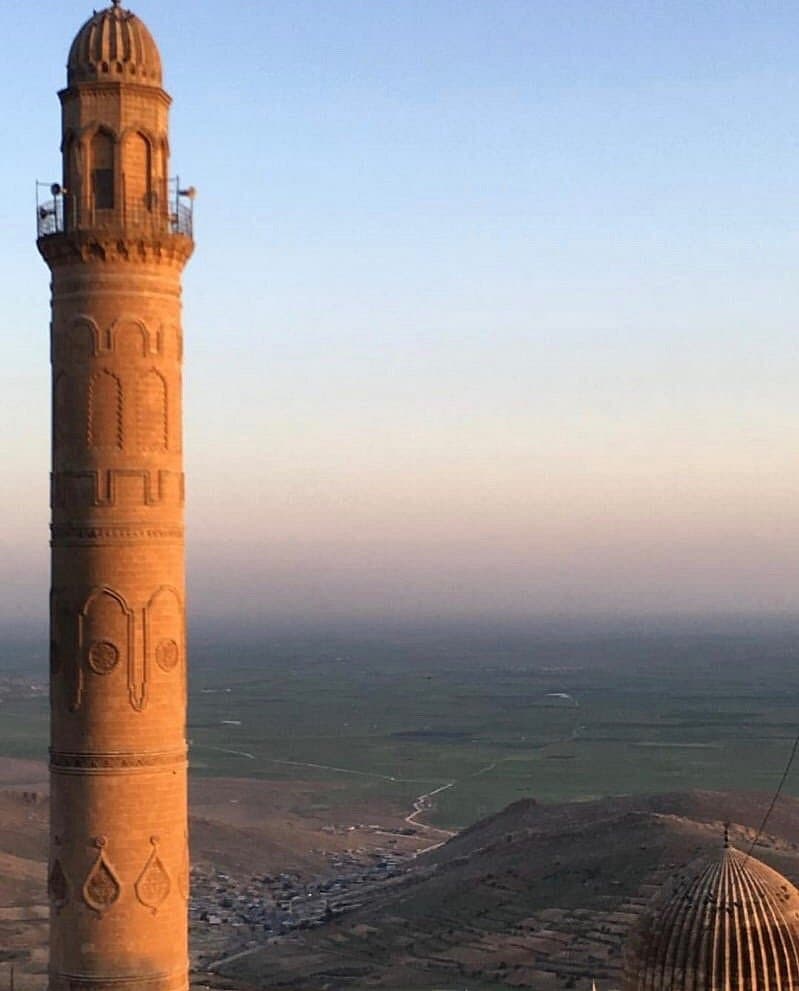
The Great Mosque of Mardin, known locally as Ulu Camii, is a pivotal historical and architectural landmark in the heart of Mardin's Old City. Dating back to the 12th century, this mosque is a testament to Artuqid architecture and has become an iconic symbol of Mardin, with its fluted minaret visible from across the city and the vast Mesopotamian plains.
Visitors consistently praise the mosque for its historical significance and the unique architectural details, particularly the minaret and the intricate stonework. Many reviewers highlight the serene atmosphere within the courtyard and the opportunity to experience a place of active worship. The panoramic views of the Mesopotamian plains from the mosque's vicinity are frequently mentioned as a major draw, with some suggesting climbing to the roof area for an even better perspective. While the exterior and minaret are widely admired, some visitors note that the interior is relatively simple, with recent restorations sometimes described as plain.
To fully appreciate the Great Mosque, allocate at least 1-2 hours. The best time to visit is in the morning or late afternoon to enjoy the light and avoid crowds, and to capture stunning photographs, especially at sunrise or sunset. Wear comfortable shoes as the old city streets are cobbled and can be steep. Modest dress is required for entry into the mosque itself. Several reviewers recommend visiting the cool tea shops nearby, particularly for a taste of local "Menengic" coffee. Be aware that some facilities, like sinks for ablution, might require a small fee, which some visitors found unexpected.
The mosque is located in the heart of Old Mardin, nestled within its narrow, winding streets. The most common way to reach it is by walking through the old city, as vehicle access can be challenging. Many visitors describe the journey through the souks and alleys as part of the experience itself. Finding the exact entrance can be a bit tricky, but exploring the surrounding streets often leads to other interesting discoveries. Public transportation options within the old city are limited, so walking is generally the preferred method of access.
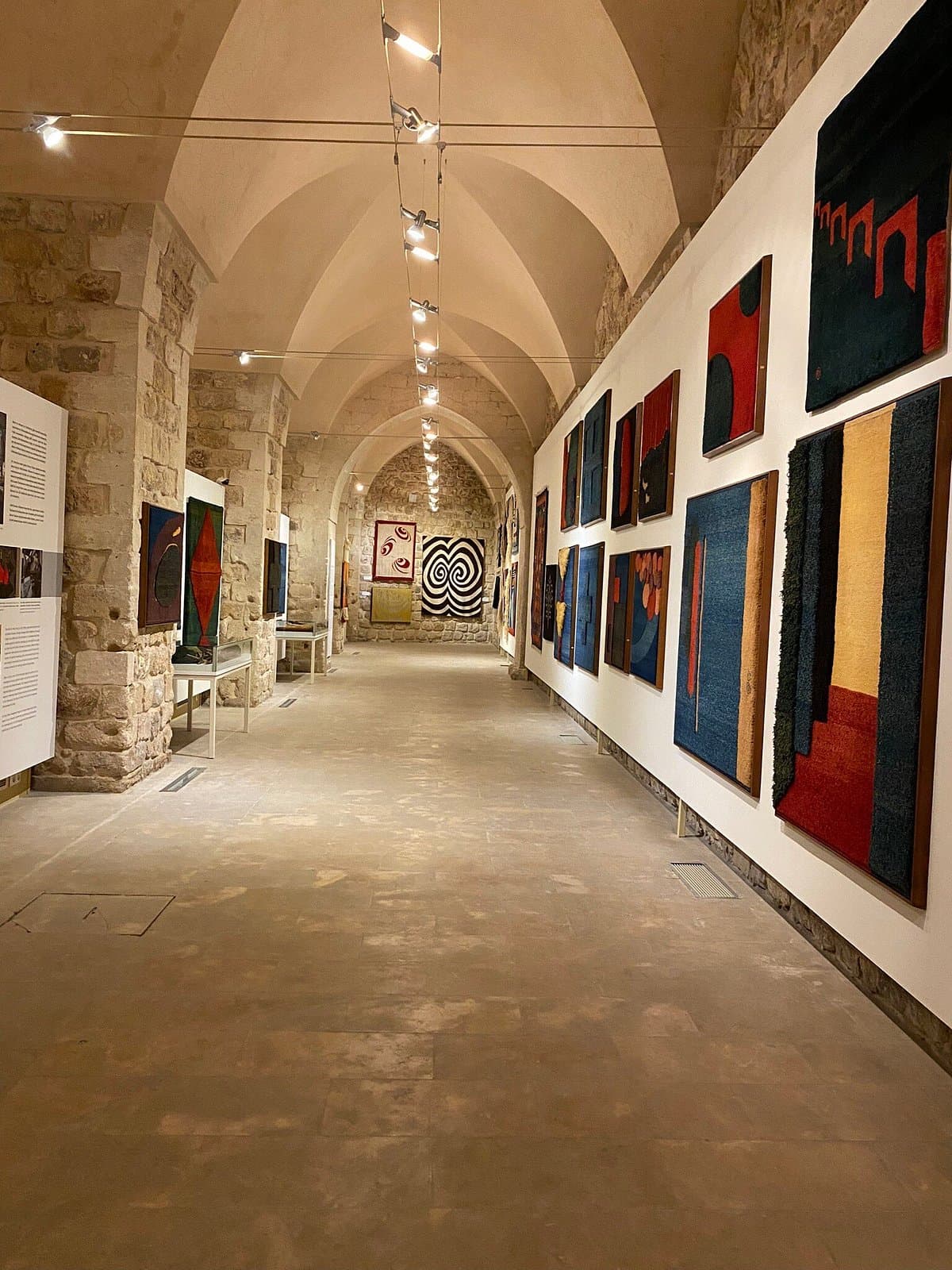
A common complaint among visitors is the difficulty in finding the mosque's entrance due to the labyrinthine nature of the old city streets. To mitigate this, consider using a map application or asking locals for directions. Another point of contention for some is the simplicity of the interior, especially after recent renovations. While the exterior and the minaret are undeniably impressive, manage expectations regarding elaborate interior decorations. Some visitors also express disappointment with the perceived "terrible restoration" by the Turkish government, suggesting it has diminished the historical feel of the interior. Focus on the exterior architecture, the historical context, and the breathtaking views to fully enjoy your visit.