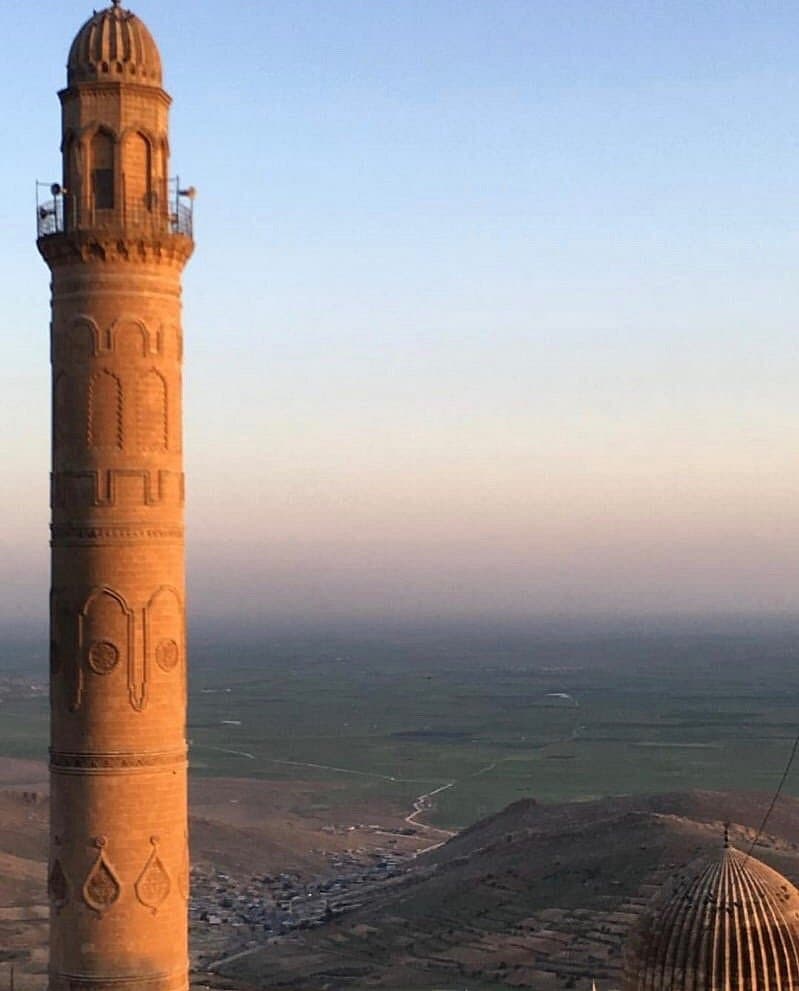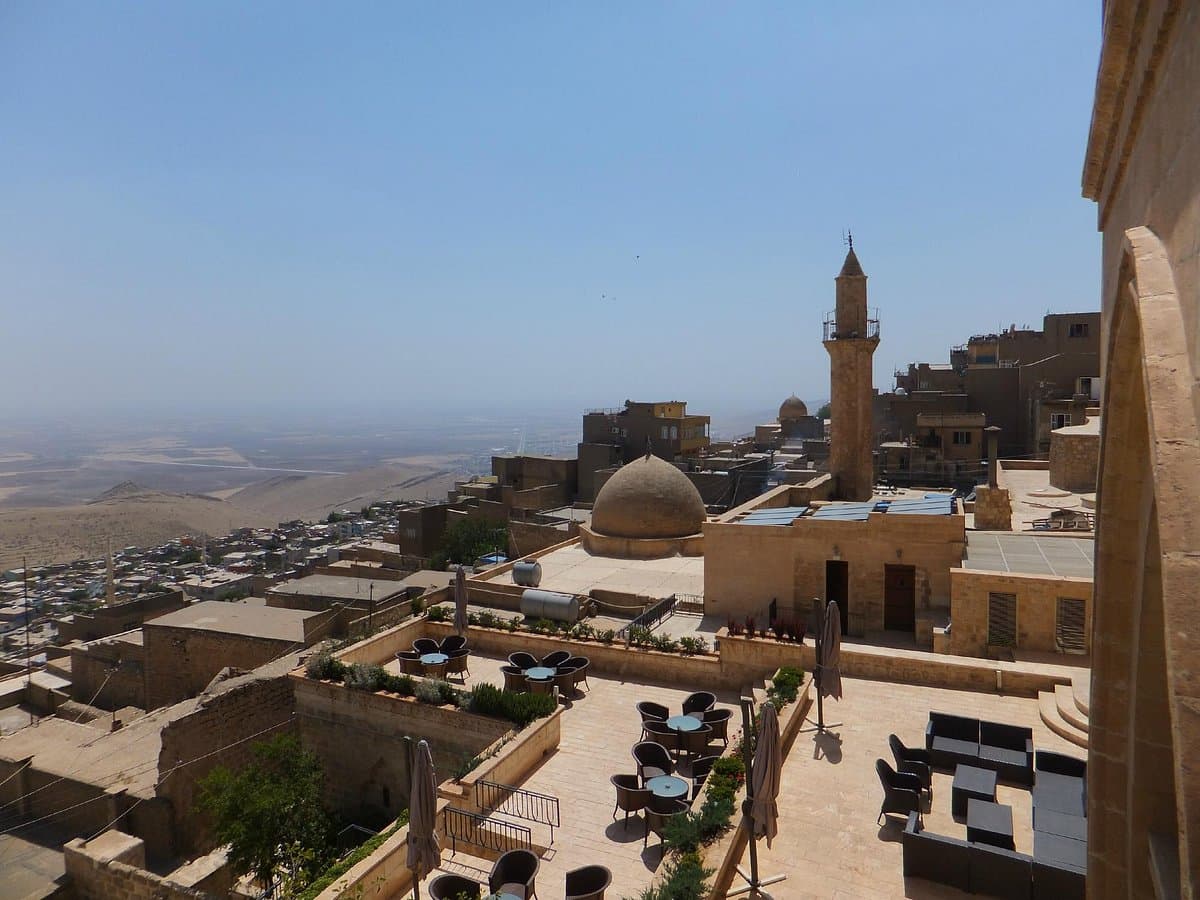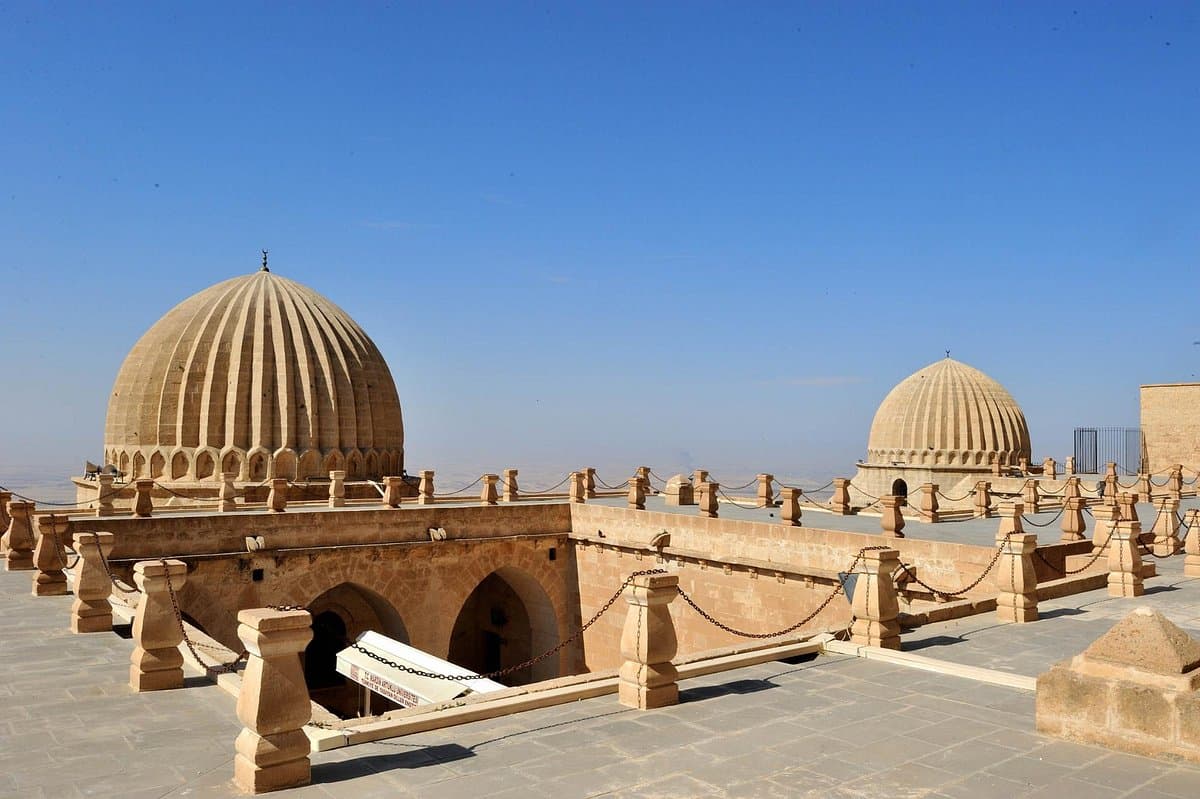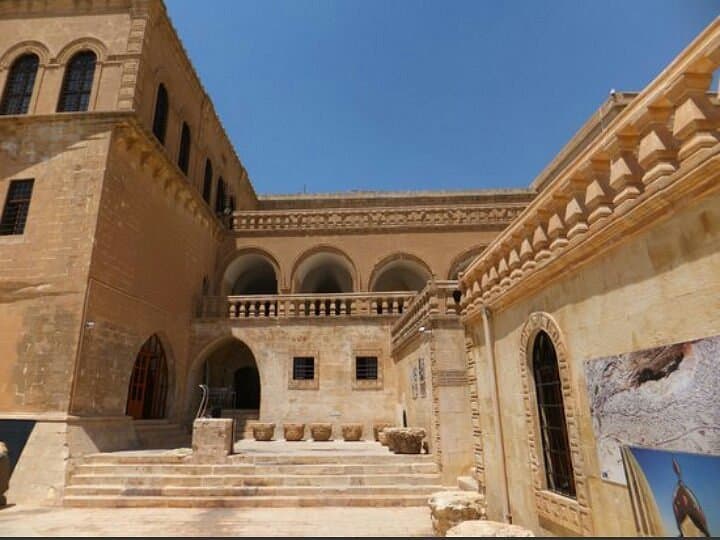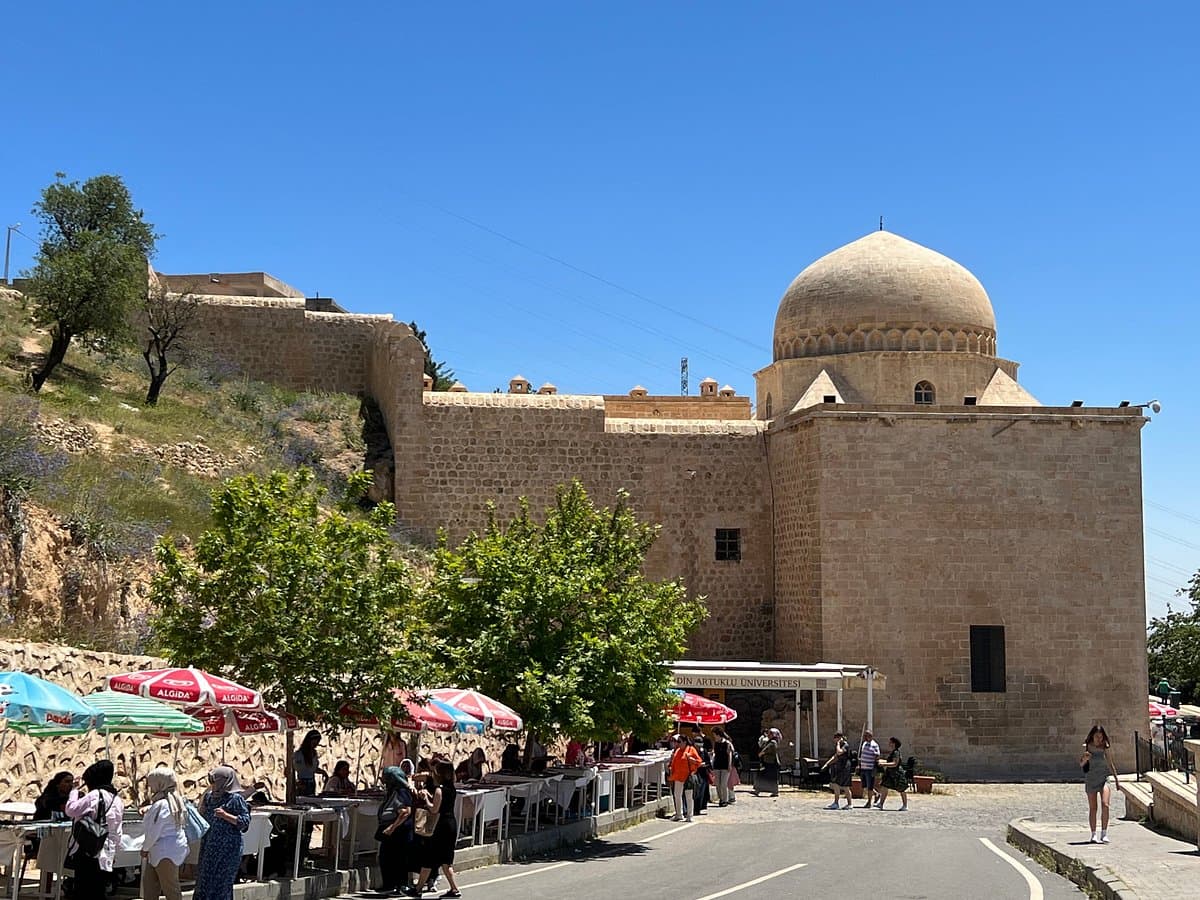
The Kasımiye Madrasa, or Kasımiye Medresesi, is a grand 15th-century Islamic theological school located on the southwestern outskirts of Mardin. Its construction began during the Artuqid period and was completed by the Akkoyunlu dynasty, serving as a prominent center for both religious and scientific studies. This architectural masterpiece is celebrated for its unique design, which incorporates elements that are distinct from typical Arab, Ottoman, or Syriac styles, featuring intricate ornaments and calligraphy. It also functioned as a lighthouse for Silk Road caravans, with lanterns reportedly burned on its roof.
Visitors frequently praise the madrasa's architectural beauty and the profound symbolism embedded within its design, particularly the central water fountain. This fountain, with its flowing water, is said to represent the stages of human life from birth to death, a concept many find deeply moving and thought-provoking. Reviewers often highlight the excellent photo opportunities, especially the panoramic views of the Mesopotamian plains. The site is also noted for its peaceful atmosphere, despite being a popular spot for wedding photoshoots. Some visitors appreciate the small exhibition inside detailing Islamic scientific inventions, including a 3D portrait of Al-Jazari.
To fully appreciate the site, it is highly recommended to read about its history and symbolism beforehand, as there is limited information displayed on-site. Many suggest visiting around dusk or sunset to experience the stunning illumination and breathtaking views. While some areas, particularly upper floors, may be closed, the inner courtyard and main structures offer plenty to explore. Allow approximately 1-2 hours for your visit. Bring water, especially during warmer months, and comfortable shoes as there is some walking involved. Consider combining your visit with other nearby attractions in Old Mardin.
The Kasımiye Madrasa is located on a hill outside the main old city center of Mardin. It is easily reachable by car or taxi from the city center. While some visitors mention it's a walkable distance (30-40 minutes) from Old Mardin, others advise against walking alone, especially for women, due to its somewhat isolated location. There is a parking lot available on-site, which is generally well-maintained. Public transport options are not frequently mentioned in reviews, suggesting a taxi or private vehicle is the most convenient way to access the site.
A common complaint among visitors is the lack of detailed historical explanations or guides on-site, which can diminish the experience for those unfamiliar with its significance. To mitigate this, prepare by researching the madrasa's history, the symbolism of the water fountain, and the contributions of scholars like Al-Jazari before your visit. Another issue occasionally raised is inconsistent entry fee collection or lack of receipts; it's advisable to clarify the current fee and request a receipt if available. Some visitors also note that parts of the madrasa, such as upper floors, are sometimes closed, limiting exploration. While the site can get crowded with tour groups and wedding parties, visiting during off-peak hours or later in the afternoon can offer a more serene experience.