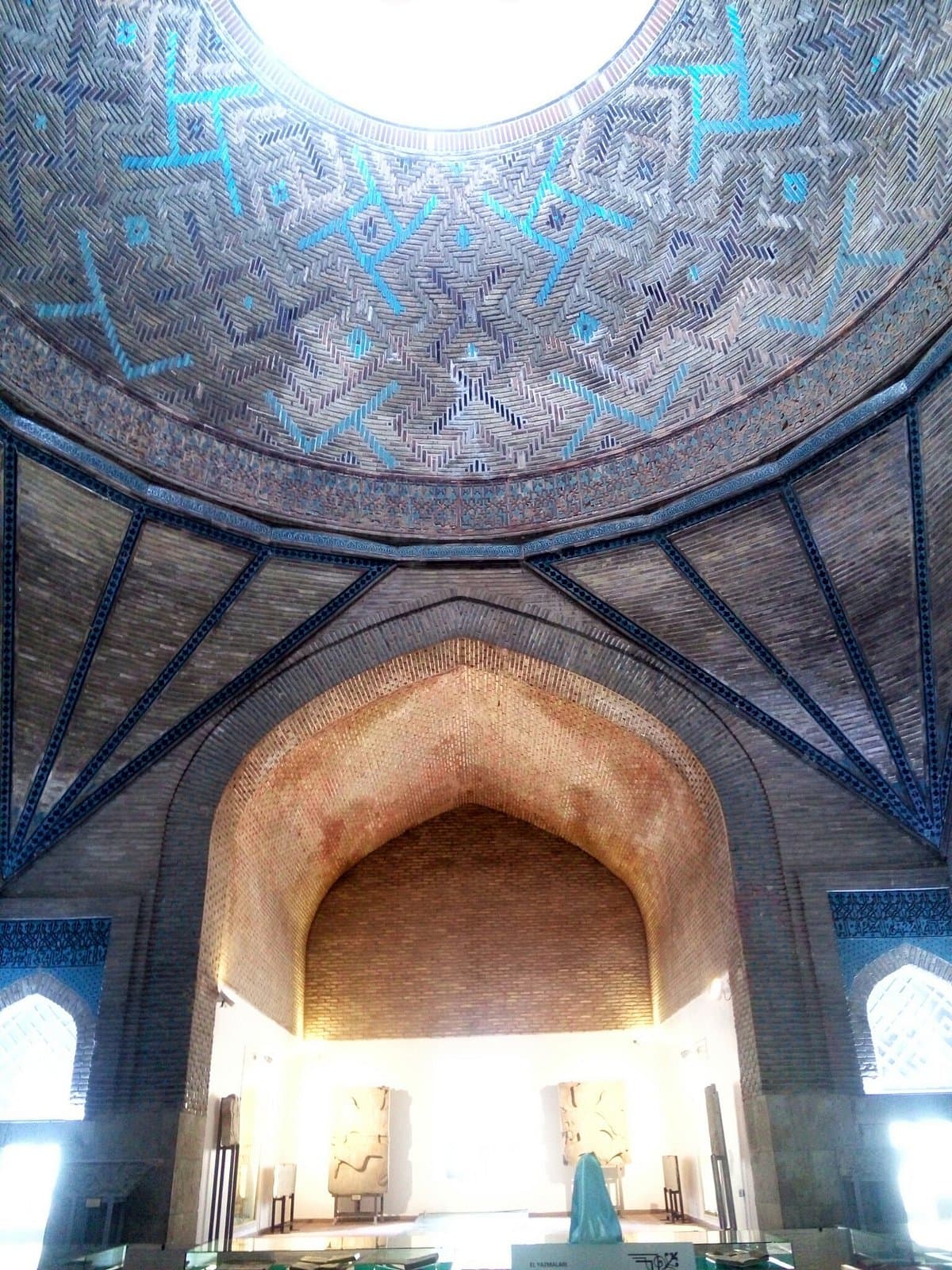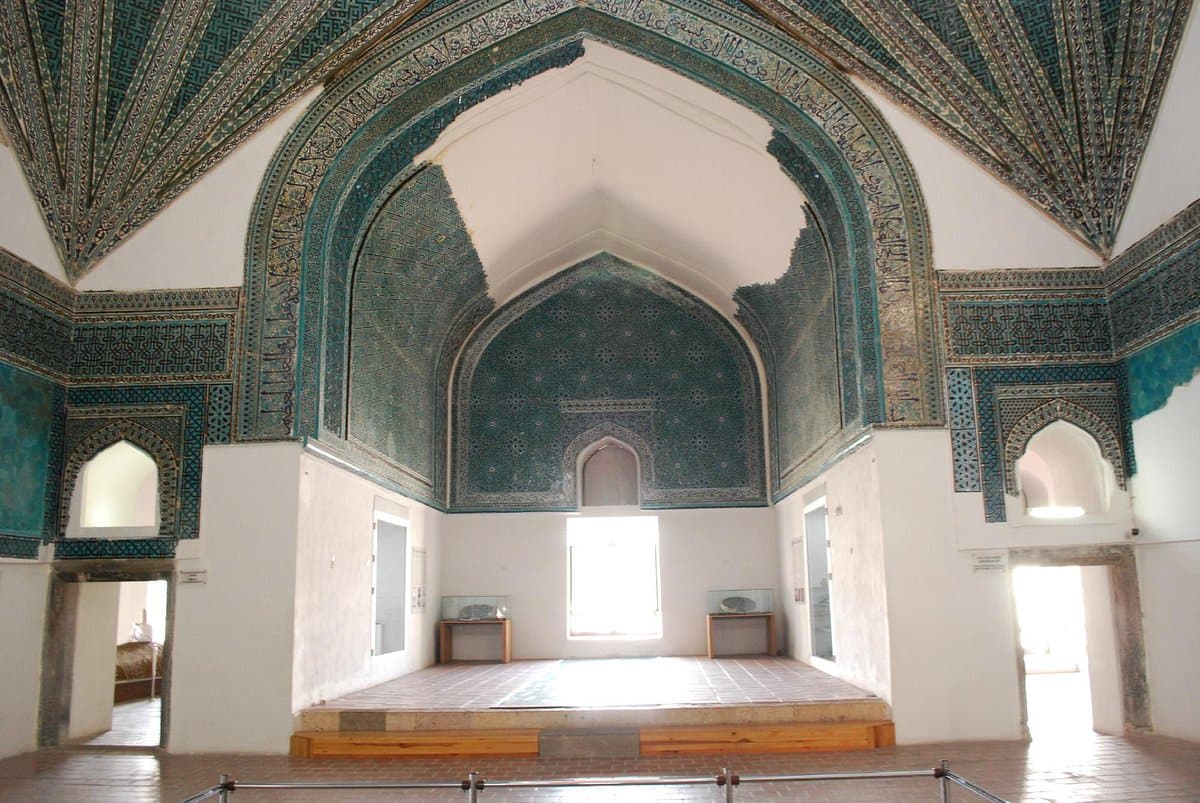
What this place is: The Karatay Medrese Museum occupies a Seljuk-era medrese (Islamic seminary) built in 1251 by Celaleddin Karatay, a grand vizier of the Seljuk Sultan. Originally functioning as a religious school until 1955, it now houses a museum dedicated to Seljuk tilework and ceramics. The building itself is architecturally significant, featuring a striking entrance portal with intricate stone carving and an impressive interior dome. The collection focuses on tiles and pottery, many excavated from the nearby royal palace of Kubad-ı Abad.
What visitors consistently praise: Reviewers are most impressed by the tilework — the geometric patterns, arabesques, and Arabic inscriptions that cover the walls and dome are described as remarkable and among the finest early Seljuk examples in Turkey. The dome interior is frequently highlighted as magnificent, and the building's restoration is well-regarded. Visitors note that the displays are accessible and tactile, allowing close inspection of individual tile pieces. The calm, meditative atmosphere inside appeals to many. Several reviewers mention discovering unexpected details, such as inscriptions referencing the four main prophets (Moses, David, Christ, and Muhammad) on the tiled walls — a rare interfaith element in Islamic architecture.
Common concerns: The main complaint is that the museum is small — typically explored in 15–45 minutes — and consists of one medium room with three smaller side rooms. Some visitors feel the collection is modest and note that many original mosaics are no longer present. A few reviewers caution that unless you have a specific interest in Seljuk tiles or Islamic ceramics, the museum may not justify a dedicated trip to Konya; it is best visited as part of a broader itinerary that includes the nearby Mawlana Museum or other city attractions. One review mentions the main entrance was under restoration at the time of visit.
Practical advice: Budget 30–45 minutes for a thorough visit; 15 minutes suffices if you are simply passing through. Entry is very affordable (reviews cite prices ranging from 5–20 Turkish lira, depending on year; check current rates on arrival). The museum is included in the Konya Museum Card, which may offer savings if visiting multiple sites. Wear comfortable shoes, as the floor includes exposed ancient pipes and uneven surfaces. The interior remains cool due to the thick stone walls and dome, making it a pleasant refuge on hot days. Bring a camera if you wish to photograph the tilework, though check signage for any restrictions. The garden area outside is worth a moment of reflection. Visitors with a strong interest in ceramics or Islamic art will find the collection rewarding; those with only casual interest may find it brief.
Getting there: The Karatay Medrese is located on the ring road around Alaaddin's Hill (Alaaddin Meydani) in central Konya. It is within walking distance of the Mawlana Museum — a short walk that most visitors can complete in 10–15 minutes. If arriving by public transport, Konya's main bus station (otogar) is several kilometers from the city center; local dolmuş (shared minibus) services connect the station to central Konya. Taxis are readily available and inexpensive for short trips within the city. If driving, parking is available near the site, though street parking can be tight during peak hours. The museum is easily reached on foot from the Alaaddin Meydani area, which is the cultural heart of Konya and home to several other historical sites.
Mitigating common complaints: To avoid disappointment, visit with realistic expectations: this is a small, specialized museum best suited to those with genuine interest in Seljuk ceramics or Islamic architecture. If you have limited time in Konya, prioritize the Mawlana Museum or Ince Minare Mosque first, then add Karatay if time permits. The modest size is actually an advantage if you are short on time — you can see the highlights without exhaustion. The building's architectural merit and the exceptional quality of the tilework on display make it worthwhile even if the collection is not extensive.