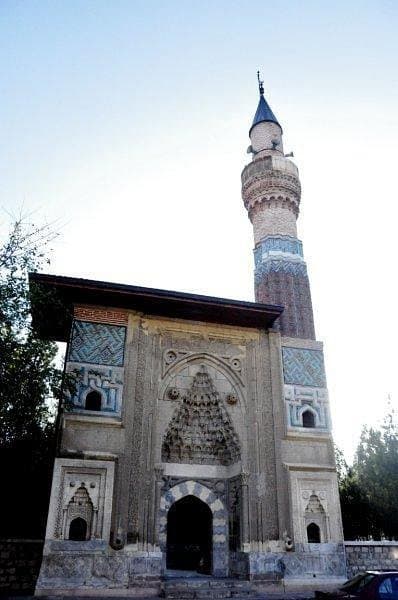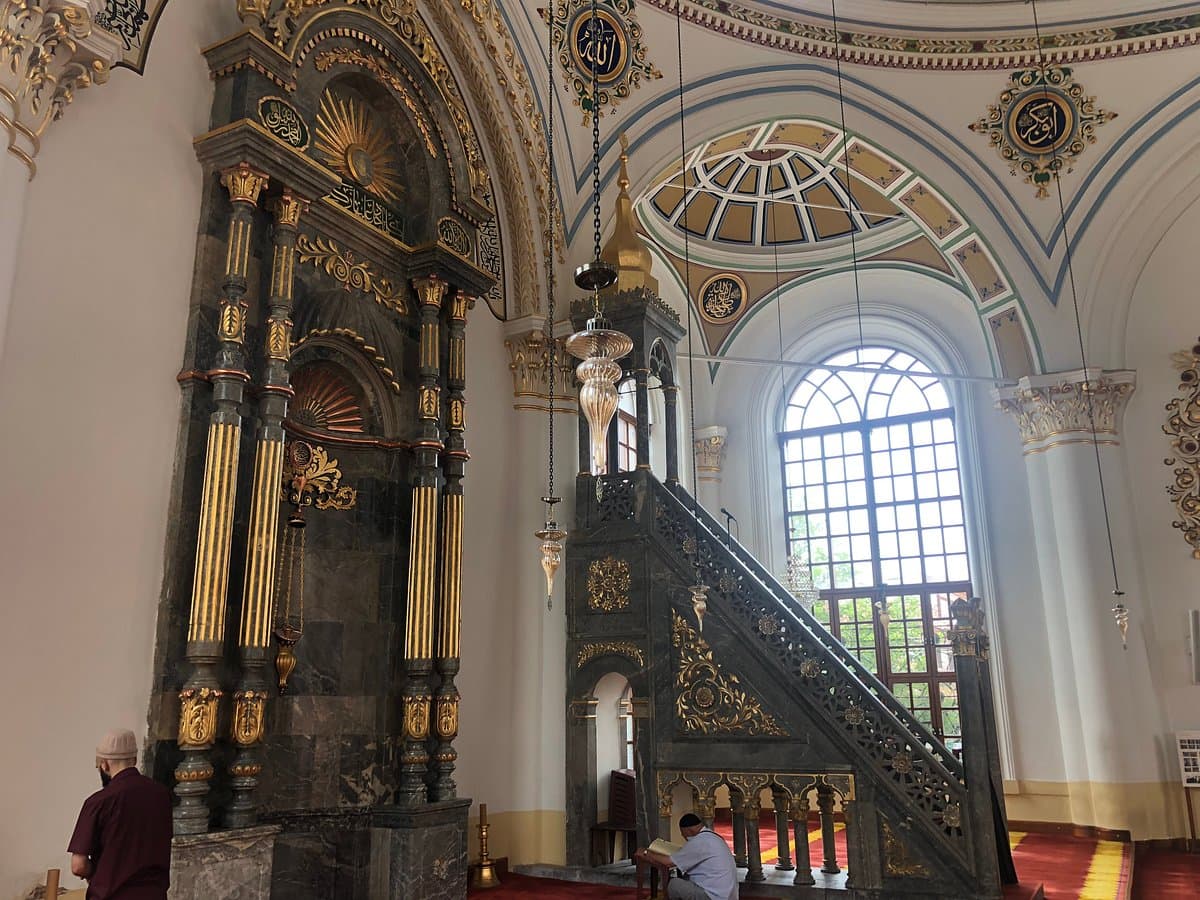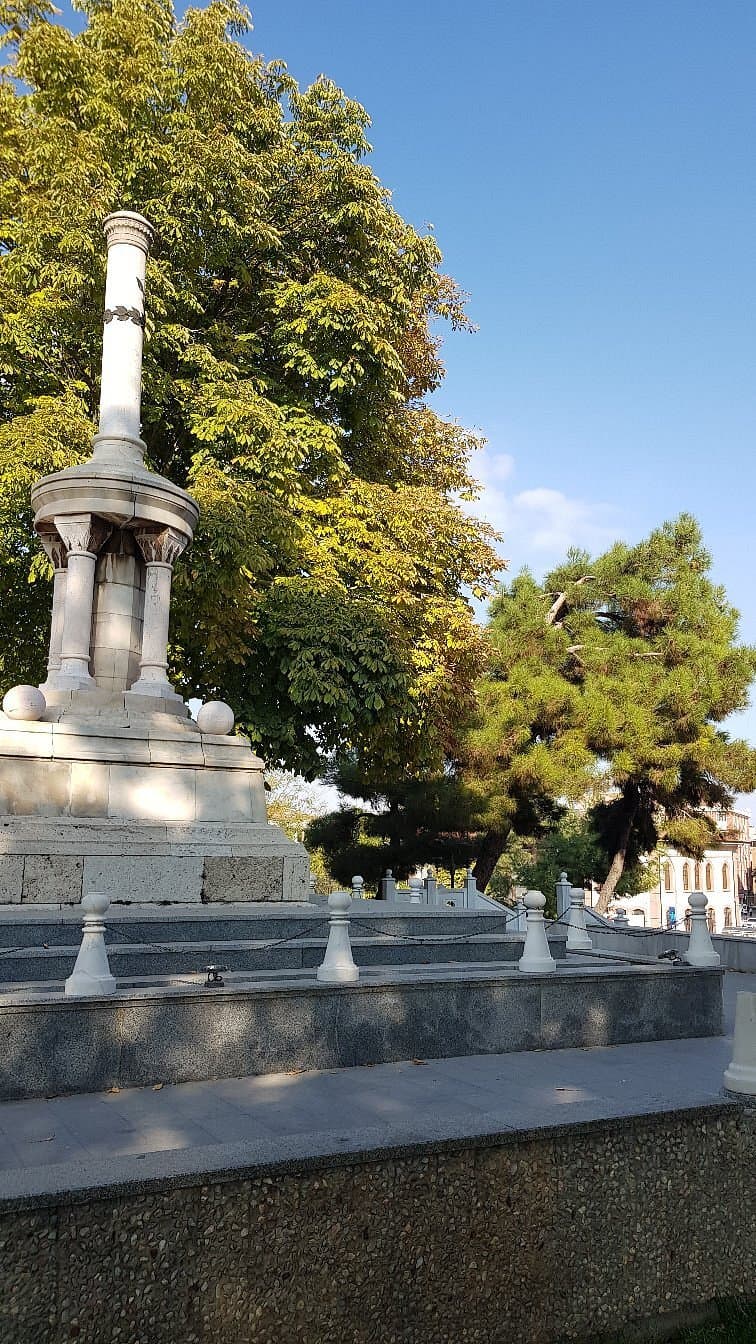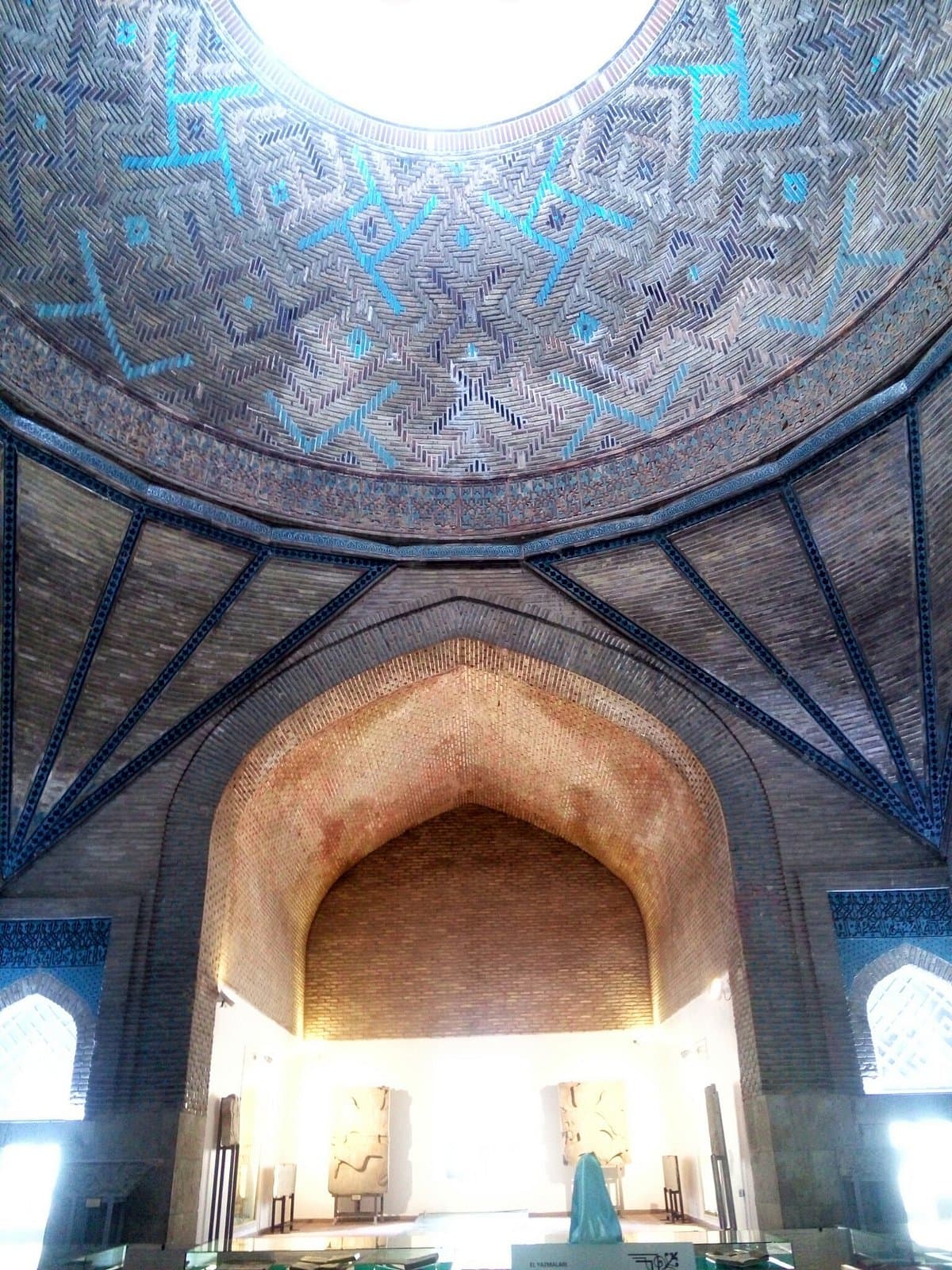
The Konya Archaeological Museum is a significant cultural institution that showcases the rich historical tapestry of the Konya region, spanning from the Old Bronze Age to the Byzantine period. Established in 1899, it has evolved to become a repository for artifacts unearthed from various archaeological sites, most famously Çatalhöyük. Its importance lies in preserving and presenting the deep historical layers of Anatolia, offering a tangible connection to ancient civilizations that once thrived here.
Visitors consistently highlight the museum's impressive collection of Roman sarcophagi as its main draw. These intricately carved stone coffins, particularly those from the Hellenistic period, are frequently described as 'unbelievable' and 'amazing,' with details that rival those found in larger museums. Another major point of praise is the display of artifacts from Çatalhöyük, providing a crucial link for those who have visited or plan to visit the Neolithic site. Reviewers appreciate the opportunity to see 9,000-year-old tools, jewelry, and pottery up close. While the museum itself is often noted as small and sometimes described as 'old and tired-looking,' the quality and historical significance of its exhibits far outweigh any perceived shortcomings in its presentation.
For a fulfilling visit, allocate about 1 to 2 hours. Many visitors suggest combining this museum with a trip to the Çatalhöyük site for a more complete understanding. It's advisable to bring a smartphone or a guide, as some visitors found the explanations, though often available in English, to be somewhat limited. The museum is generally quiet, allowing for a peaceful exploration of its collections. Several reviewers mentioned that entrance was free during their visit, though a small fee (around 5 TL) has also been reported, so it's wise to check current pricing. Visiting during off-peak hours or holidays like Eid has been noted to result in fewer crowds.
The museum is conveniently located in the city center, within walking distance of the Mevlana Museum, Alaaddin Hill, and the bazaar. Reviewers mention it's easily reachable on foot from these central points. For those unfamiliar with the area, using GPS or asking locals for directions is recommended, as some found it 'a bit hard to find' or situated on a 'back street.' Public transport options are readily available to the city center, from which the museum is a short walk.
A common complaint among visitors is the museum's aging infrastructure and sometimes inadequate display methods. Some feel the valuable pieces deserve a larger, more modern building for better preservation and presentation. To mitigate this, focus on the artifacts themselves rather than the building. The staff are often described as friendly and helpful, sometimes even offering impromptu tours if you speak Turkish, which can enhance the experience despite the dated facilities.