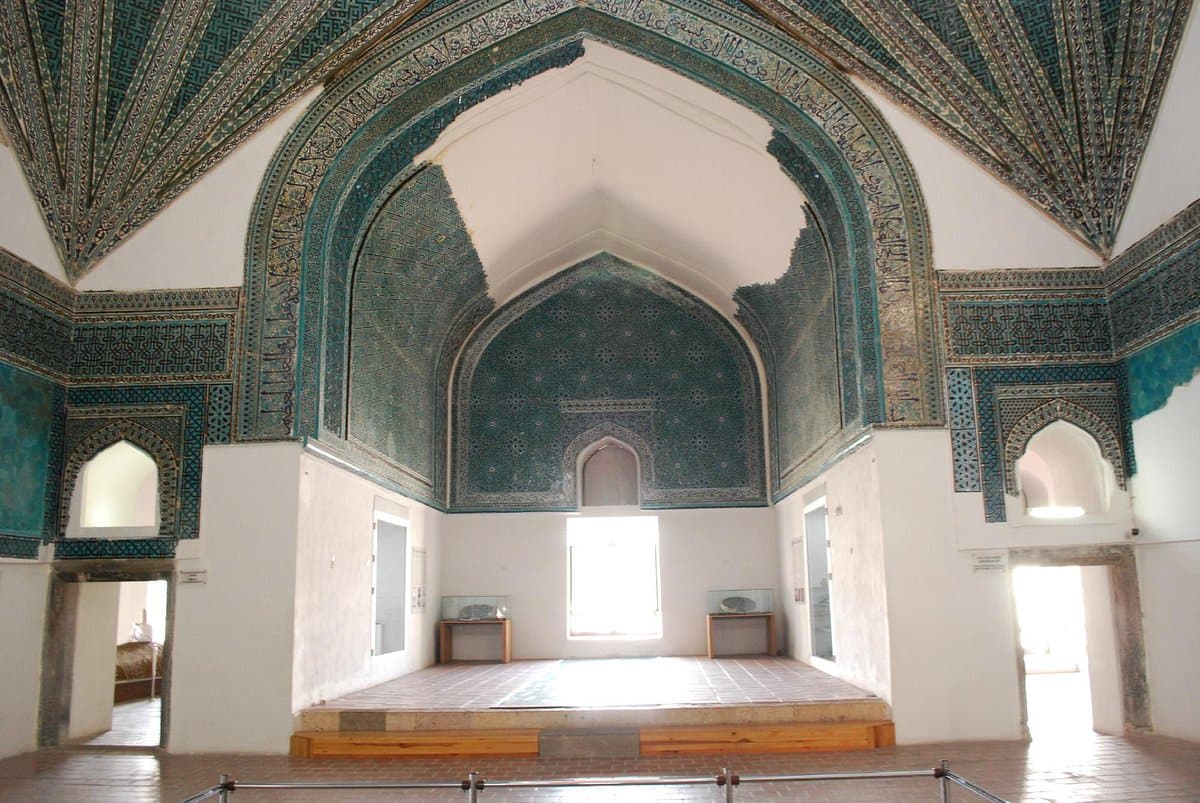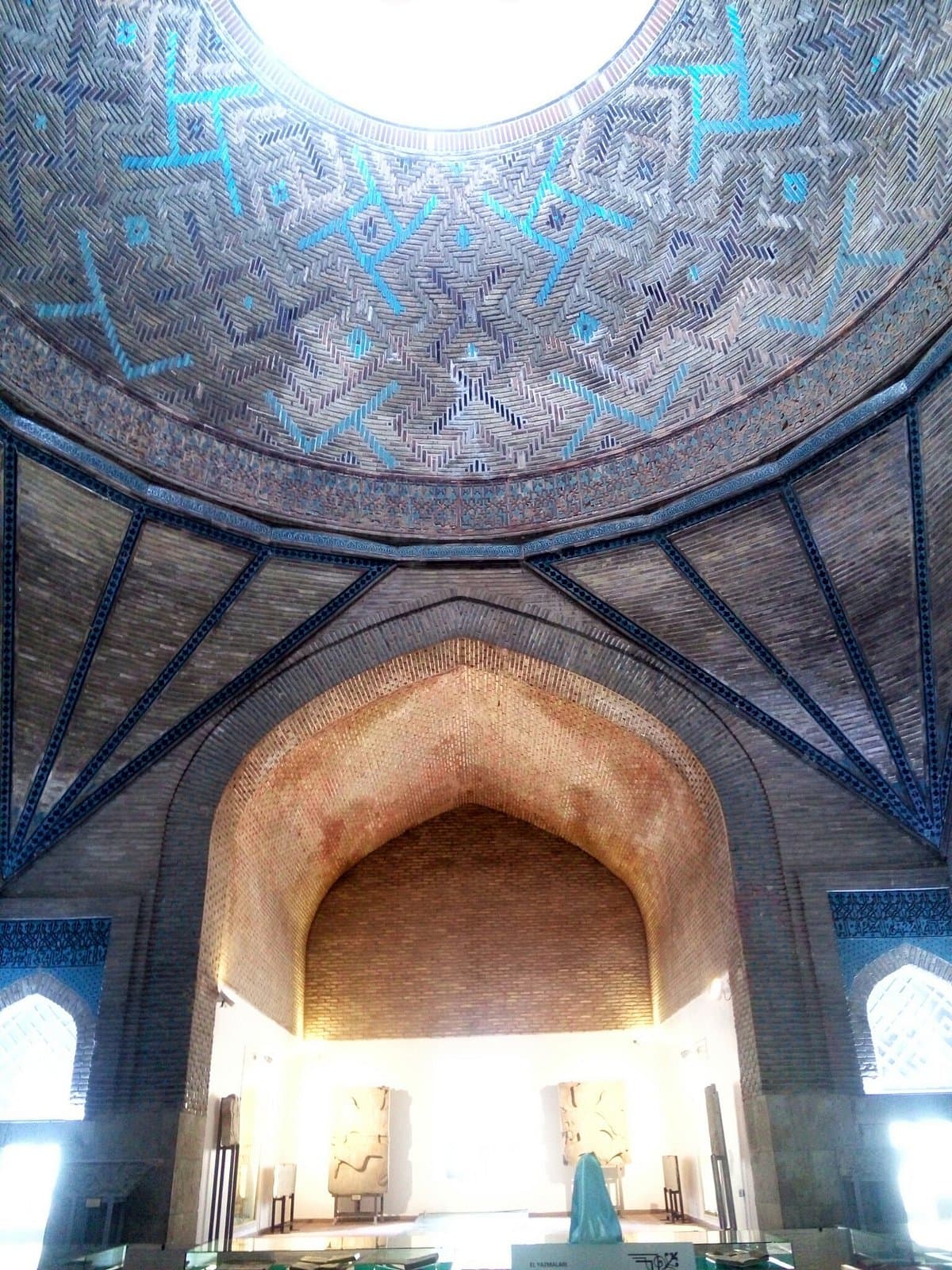
The Ince Minare Museum, or "Seminary of the Slender Minaret," is a former 13th-century Islamic theological school (madrasa) that now serves as a museum showcasing Seljuk-era artifacts. Built between 1258 and 1279, it stands as a prime example of Anatolian Seljuk architecture, particularly renowned for its intricate stone carvings and the impressive portal. It offers a crucial insight into the Seljuk Sultanate's cultural and artistic achievements, a period when Konya was a significant capital.
Visitors consistently praise the museum's spectacular entrance gate, describing it as a "masterpiece" and "jaw-droppingly beautiful" with its unique calligraphic and animal motifs. Many are impressed by the detailed stone and wooden artifacts inside, including carved doors, tombstone fragments, and architectural decorations, often noting their excellent preservation and the advanced artistry for the 13th century. Reviewers frequently highlight the "Art Deco" feel of some carvings and the presence of pre-Islamic elements like animal figures. While the museum is generally considered small, its curated collection is seen as high quality and very interesting, making it a worthwhile stop for history and art enthusiasts.
To make the most of your visit, allocate about 1 to 1.5 hours. The museum is compact, allowing for a thorough exploration without feeling rushed. Visitors recommend focusing on the intricate details of the stone and wood carvings, as these are the main draws. Some reviewers mentioned that lighting in certain rooms could be improved and that information about objects is sometimes minimal, so consider doing some prior research if you want deeper context. Bringing a good camera is advisable to capture the detailed craftsmanship, especially of the entrance portal. The museum is included in the Museum Card, which can be a cost-saving option if you plan to visit multiple attractions.
The museum is conveniently located on the west side of Alaaddin Hill in Konya, making it easily accessible. Many visitors note its proximity to other central attractions. It is well-connected by public transport, with minibuses and other vehicles readily available. It's also a main stop on the tram and several bus and dolmuş lines. If you're staying in central Konya, it's often within walking distance of Alaaddin Hill. Parking options for private vehicles are generally available in the vicinity.
A common complaint among visitors is the museum's small size and the limited amount of English literature or detailed explanations for the artifacts. To mitigate this, consider downloading a guide or researching the Seljuk period beforehand to enrich your understanding of the exhibits. While some find the interior "plain" compared to the exterior, focusing on the individual pieces of art rather than the overall layout can enhance the experience. Some older reviews mention poor lighting in certain areas, but recent feedback suggests improvements, though it's still worth being prepared for varying conditions.