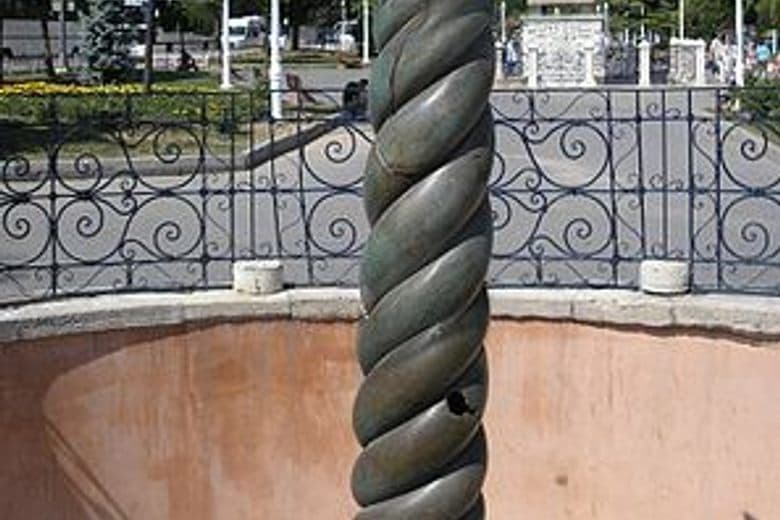
The Serpent Column is a remarkable ancient monument with a storied past, originally erected at the Temple of Apollo in Delphi, Greece, in 478 BCE. It commemorated the Greek victory over the Persians at the Battle of Plataea. Later, Constantine the Great transported this significant piece of history to Constantinople in 324 CE, where it has stood ever since. Today, it offers a tangible link to both ancient Greek and Roman/Byzantine eras, making it a unique historical artifact in the heart of Istanbul.
Visitors often appreciate the column's historical significance, noting its age and the incredible journey it undertook. Many find it intriguing to stand before something that witnessed such pivotal moments in history. However, some reviewers express that the column itself, being a mere fragment, might appear less impressive than its historical weight suggests. It's often viewed as a quick stop within a larger exploration of Sultanahmet Square, rather than a standalone destination.
To fully appreciate the Serpent Column, it's recommended to read up on its history beforehand. Visitors typically spend only 5-10 minutes at the site, as it is a single, fenced-off monument. It's best visited during daylight hours, ideally in the morning or late afternoon to avoid the midday crowds that flock to the nearby Blue Mosque and Hagia Sophia. There are no specific items to bring, but comfortable walking shoes are always advisable for exploring the square.
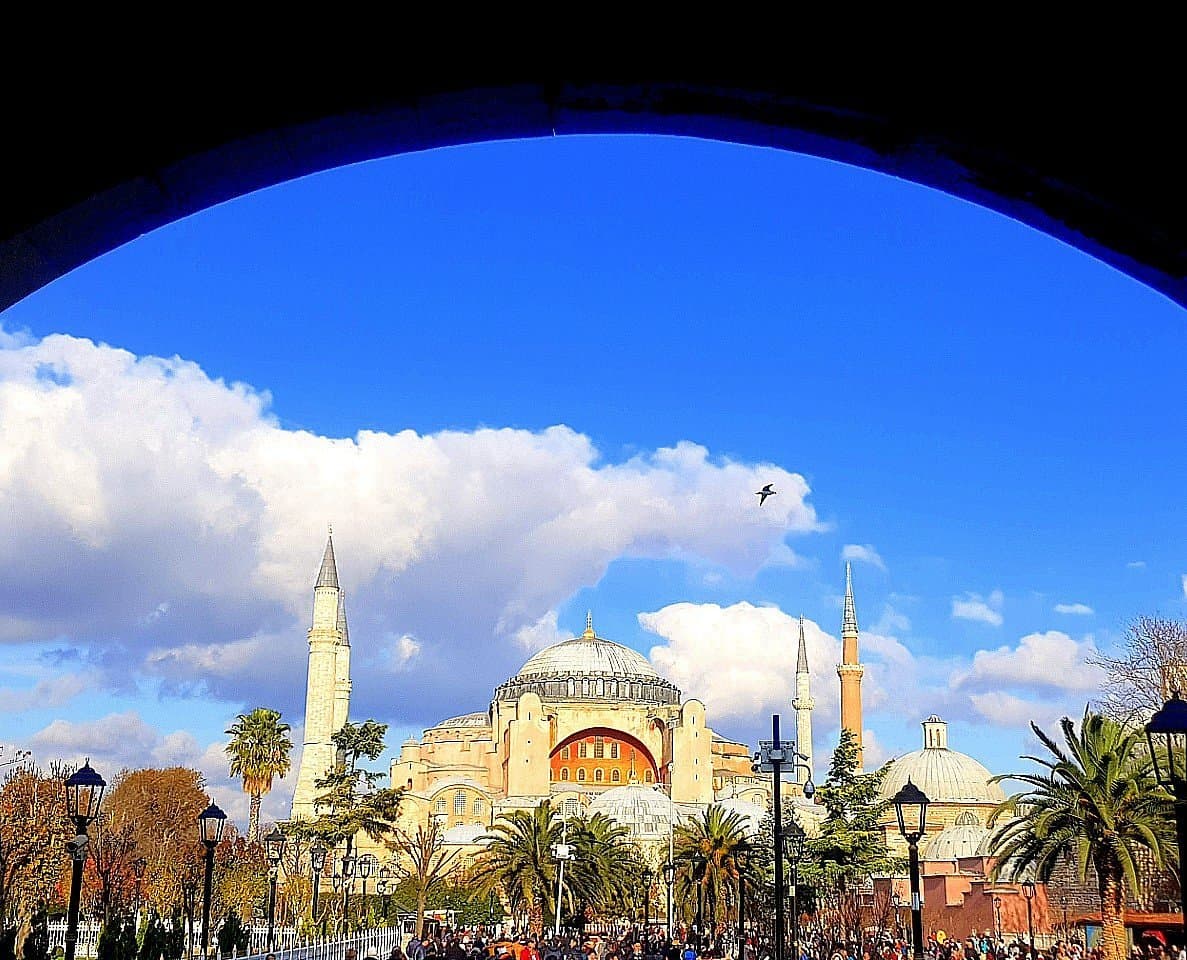
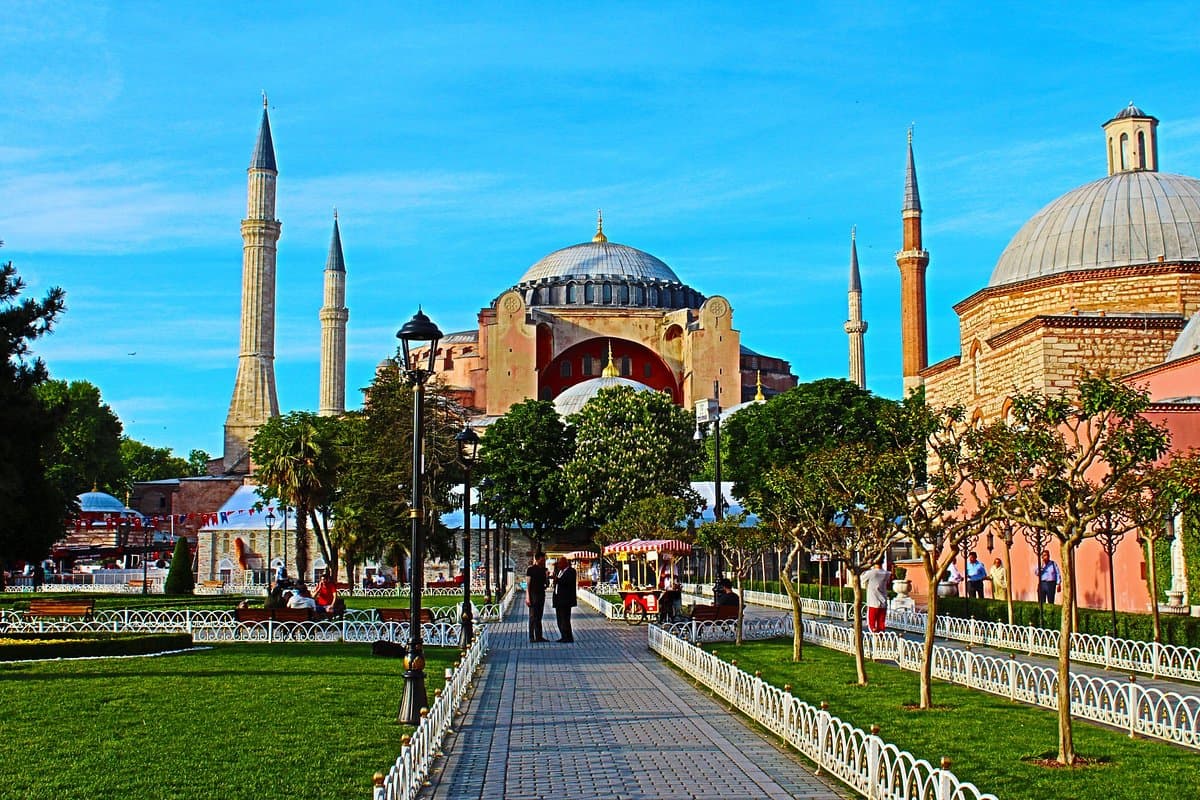
The Serpent Column is located in Sultanahmet Square (Sultanahmet Meydanı), which is easily accessible by public transport. The nearest tram stop is Sultanahmet (T1 line), just a few minutes' walk away. Many major bus routes also serve the area. Given its central location, it's best reached by public transport or on foot, as parking in the immediate vicinity is extremely limited and often restricted.
A common complaint is that the column, in its current state, can be underwhelming if one expects a grand, imposing structure. To mitigate this, approach it with an understanding of its immense historical value rather than its physical grandeur. Consider it a historical marker rather than a visual spectacle, and you'll likely find it more rewarding.