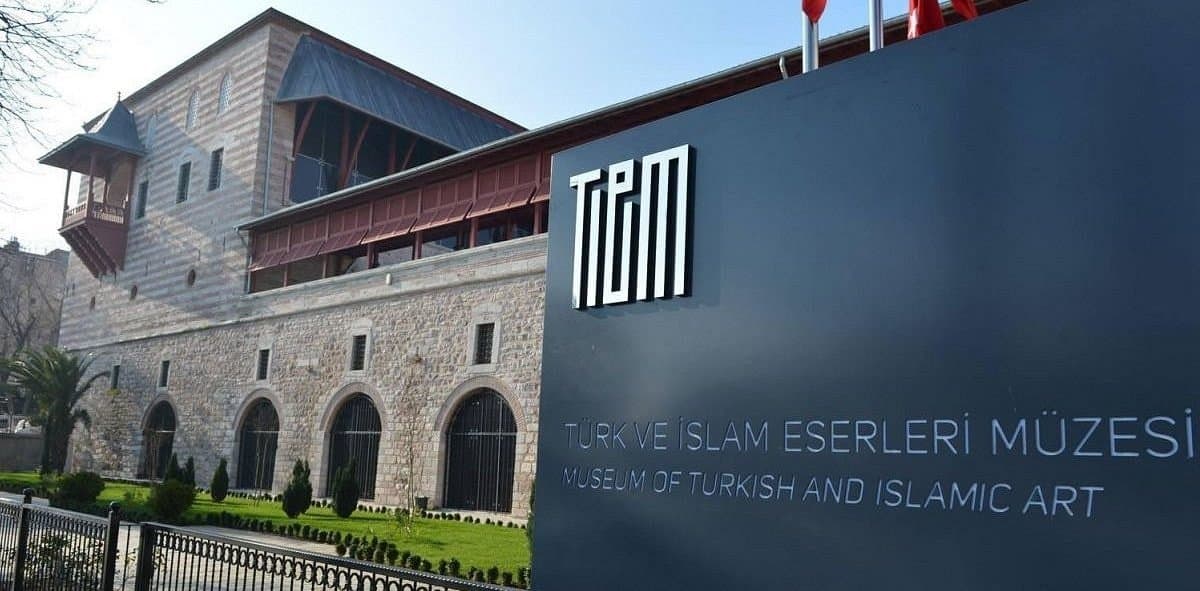
The Turkish and Islamic Arts Museum, known locally as Türk ve İslam Eserleri Müzesi, is a significant cultural institution housed within the 16th-century Ibrahim Pasha Palace, a grand residence once belonging to Sultan Süleyman the Magnificent's Grand Vizier. It stands as the first Turkish museum to encompass Turkish and Islamic works of art, offering a comprehensive overview of Islamic civilization's artistic and historical evolution from the Umayyad to the Ottoman periods. Its location directly on the Hippodrome adds another layer of historical depth, with some areas showcasing the ancient Roman foundations.
Visitors frequently highlight the museum's impressive collection of antique carpets, often described as one of the finest in the world, alongside exquisite examples of Islamic calligraphy, illuminated Qur'ans, and miniatures. Many appreciate the chronological layout, which provides a clear historical context for the artifacts. The ethnographic section, with its reconstructions of Ottoman interiors and displays of daily life, is also a popular feature, offering insights into Turkish culture. A recurring theme in reviews is the museum's peaceful ambiance; unlike other major attractions in Sultanahmet, it is rarely crowded, allowing for a more contemplative and unhurried visit. The shaded terrace and small cafe are often mentioned as pleasant spots for a break.
To make the most of your visit, allocate approximately 1.5 to 2 hours. While some visitors suggest it can be seen quicker, a more thorough exploration of the diverse collections, especially the carpets and calligraphy, benefits from a relaxed pace. The museum is well air-conditioned, making it a comfortable refuge on hot days. Consider purchasing the Istanbul Museum Pass if you plan to visit multiple museums, as it includes entry here and can save money and time by allowing fast-track access. Bring a form of ID if you intend to use an audio guide, as some visitors reported needing it. While the museum is generally accessible, one reviewer noted issues with a non-functional elevator, which could be a concern for those with mobility challenges, as there are many stairs.
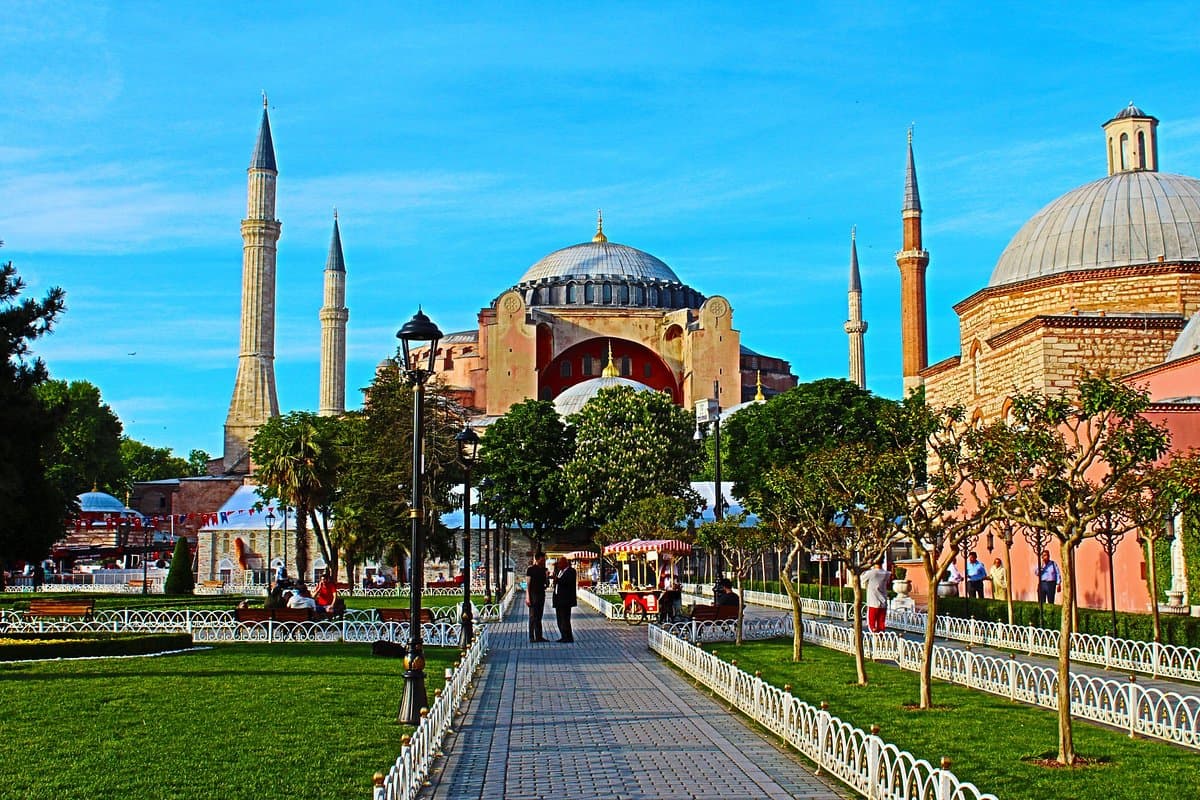
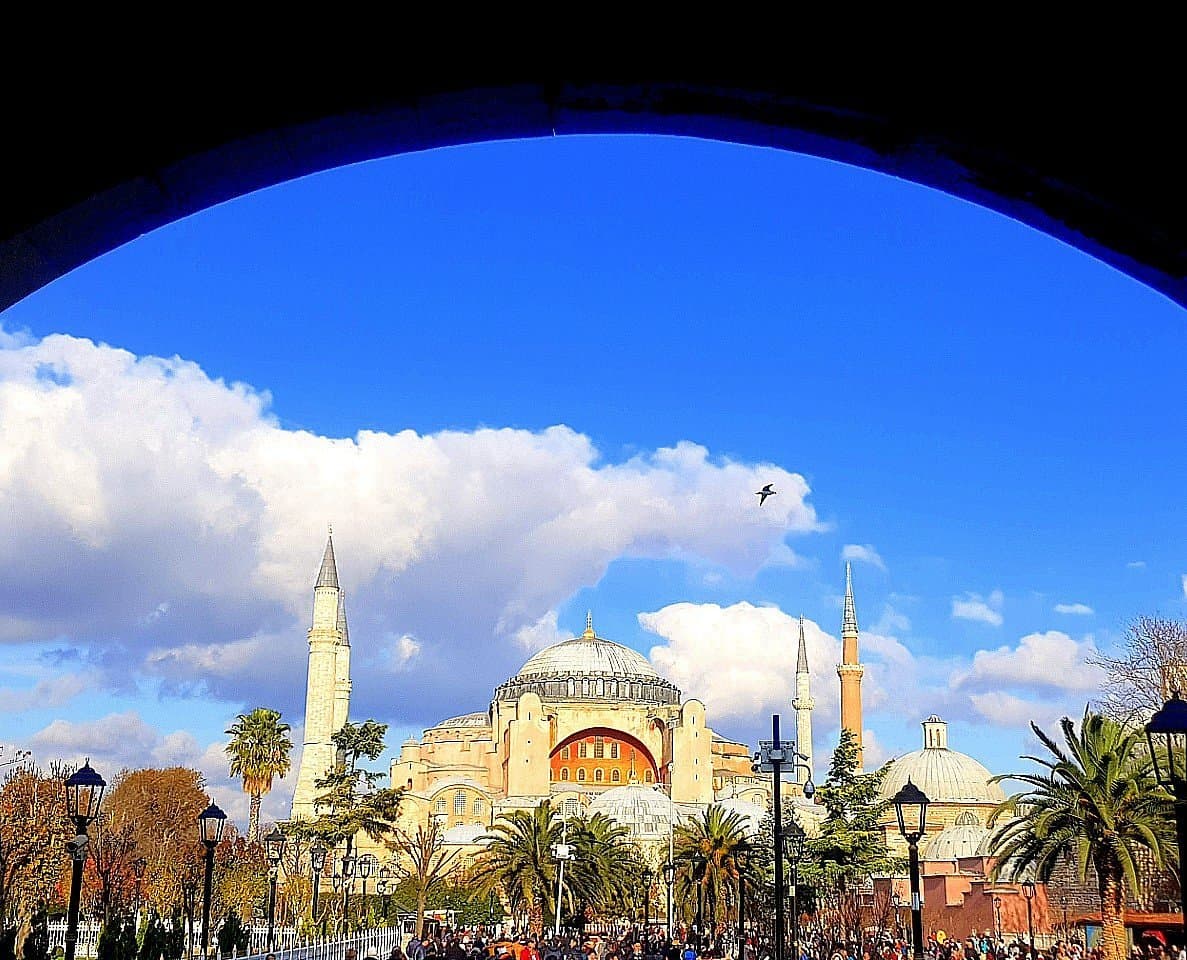
The museum is conveniently located in the Sultanahmet area, directly opposite the Blue Mosque and adjacent to the Hippodrome. It is easily reachable by public transport; the Sultanahmet tram stop (T1 line) is just a short walk away. Given its central location, it's best to arrive by tram or on foot, as parking in the immediate vicinity can be challenging. Many visitors combine a trip here with other nearby historical sites.
A common complaint, though not widespread, is the perceived high admission fee for those without a Museum Pass, with some feeling the collection, while good, doesn't fully justify the cost compared to other museums. Some visitors also express disappointment if they expect a traditional 'art gallery' with paintings and sculptures, as the focus is more on decorative arts, manuscripts, and ethnographic items. To mitigate this, manage your expectations by understanding the museum's specific focus on Islamic and Turkish applied arts and historical artifacts rather than fine art in the Western sense. While some interactive exhibits were noted, a few reviewers found them to be non-functional, so don't rely heavily on them for your experience.