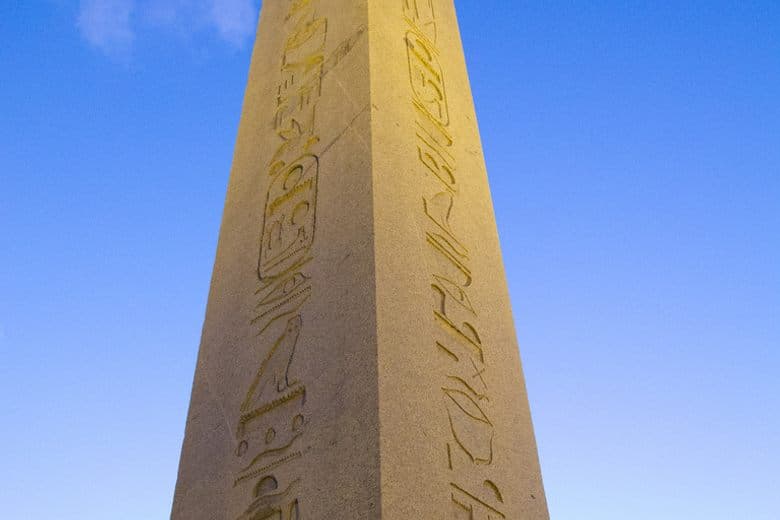
The Obelisk of Theodosius is an ancient Egyptian obelisk, originally erected at the Temple of Karnak by Pharaoh Thutmose III around 1500-1400 BCE. Its journey to Istanbul is a testament to ancient engineering and imperial ambition, having been transported down the Nile to Alexandria, and then, in 390 CE, brought to Constantinople by Emperor Theodosius I to adorn the Hippodrome. This monument serves as a unique historical marker, connecting Istanbul not only to its Roman and Byzantine past but also to the much older civilization of ancient Egypt.
Visitors consistently praise the obelisk's excellent state of preservation, with many noting the surprisingly sharp and clear hieroglyphics despite its age. Reviewers often express awe at its antiquity and the sheer effort involved in its transportation across continents. The intricate carvings depicting Thutmose III's victories are a particular highlight, drawing admiration for their detail and historical significance. Many find it a fascinating contrast to the surrounding Byzantine and Ottoman architecture, highlighting Istanbul's layered history.
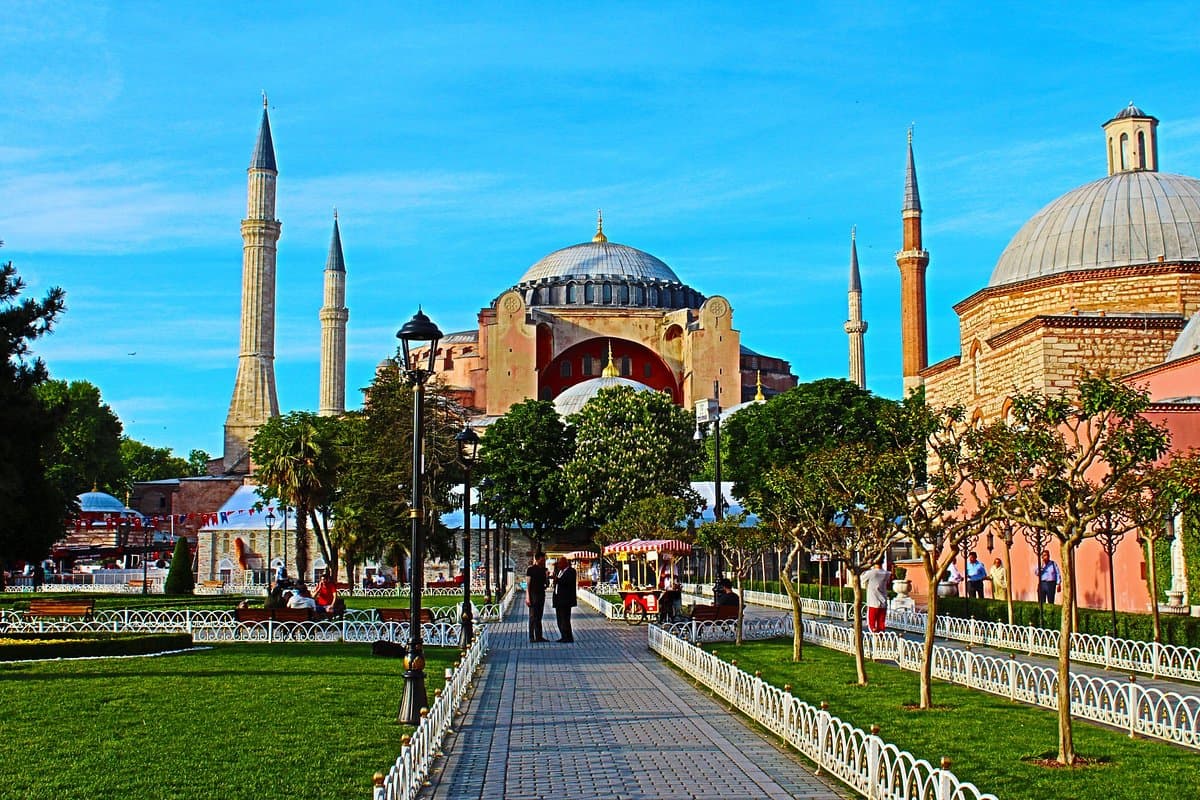
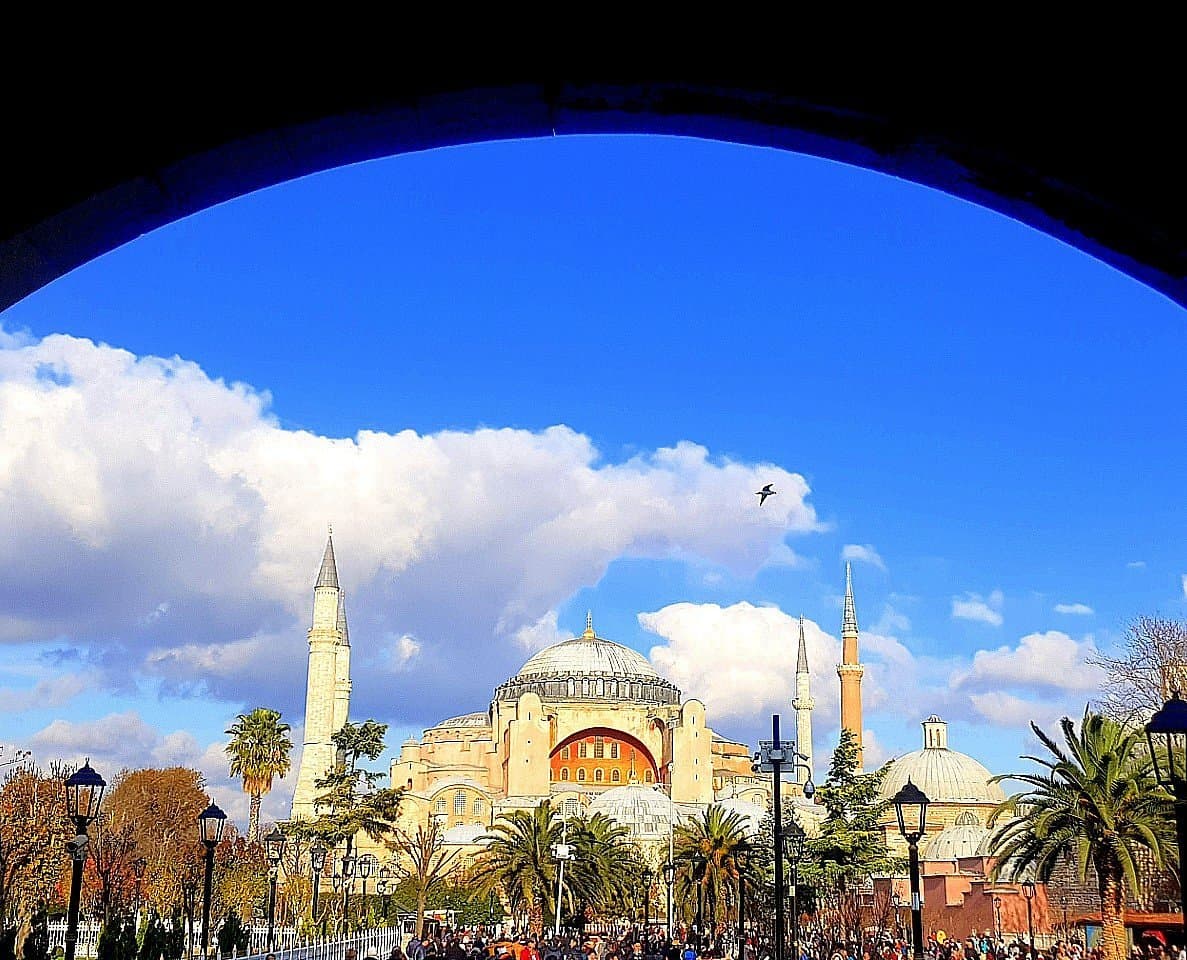
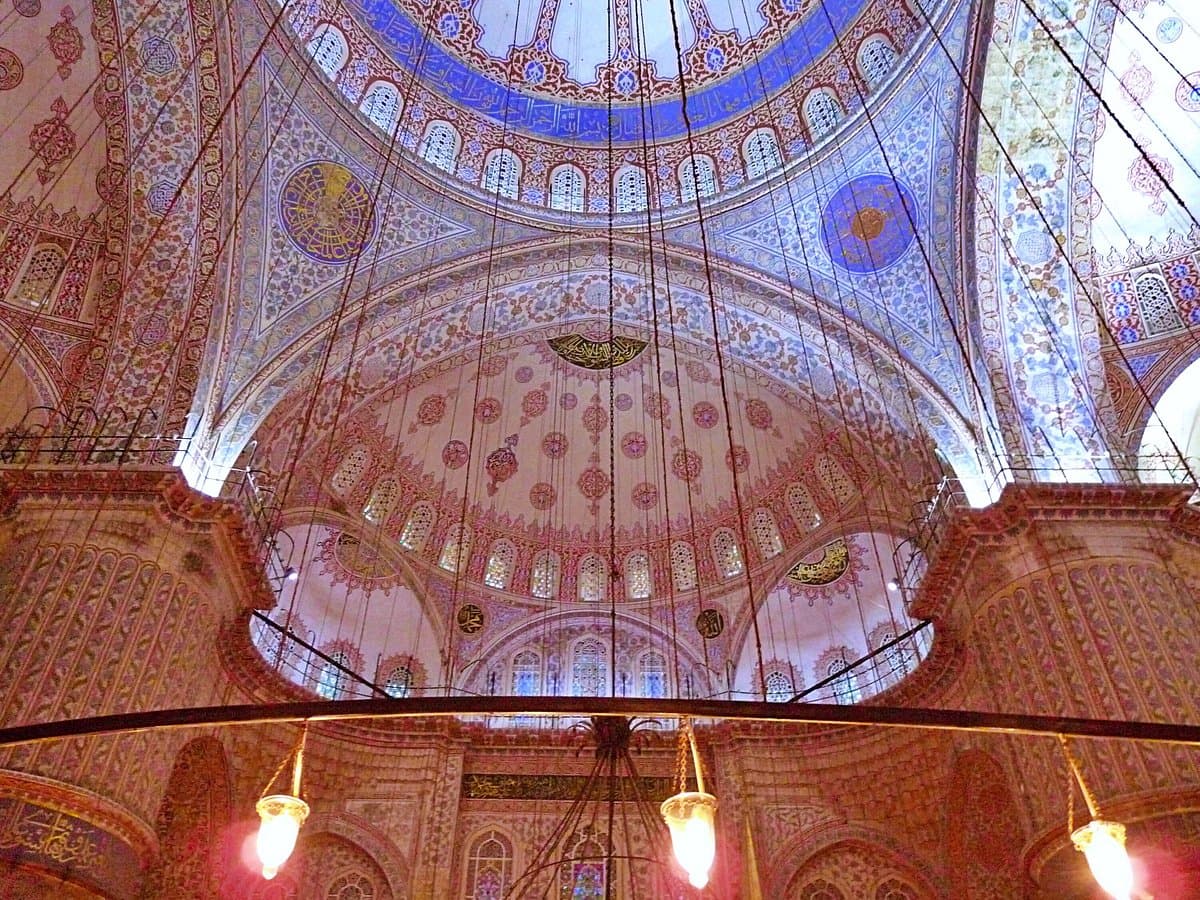
The obelisk is located in the heart of Sultanahmet Square, making it easily accessible and a natural stop when visiting nearby attractions like the Blue Mosque, Hagia Sophia, and Topkapi Palace. There's no specific time limit for viewing; most visitors spend 15-30 minutes appreciating its details and taking photographs. It's best visited in the morning or late afternoon to avoid the harshest sunlight and the largest crowds, though as an outdoor monument, it's always accessible. Bringing a good camera with zoom capabilities can help capture the details of the hieroglyphs. Since it's in a public square, there are no entry fees or specific opening hours.
The Obelisk of Theodosius is situated directly in Sultanahmet Square, which is a major hub for public transportation. The most convenient way to reach it is by tram (T1 line) to the Sultanahmet stop, which is just a few steps away. Many bus lines also serve the area. For those staying in central Istanbul, it's often within walking distance of many hotels. Driving is not recommended due to heavy traffic and limited parking in the historic district.
Common complaints are rare, as the obelisk is a well-maintained, open-air monument. Some visitors might find the surrounding crowds distracting, especially during peak tourist season. To mitigate this, consider visiting early in the morning or later in the evening when the square is less bustling. While there are no direct complaints about the obelisk itself, the lack of extensive interpretive signage on-site means that those interested in its full history might benefit from reading up on it beforehand or joining a guided tour of the Sultanahmet area.