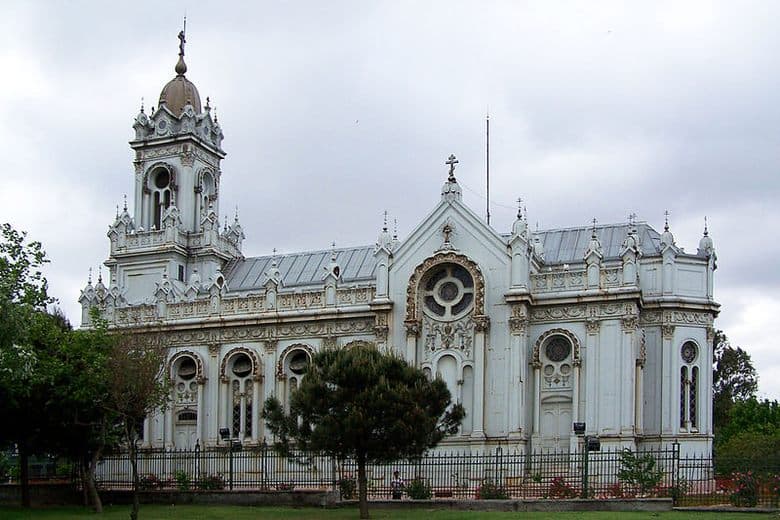
The Meryem Ana Rum Ortodoks Kilisesi, or St. Mary of the Mongols, stands as a rare testament to Istanbul's Byzantine past. Tucked away in the Fener neighborhood, this small Orthodox church holds a unique distinction: it is the only Byzantine church in Istanbul that has continuously functioned as a Christian place of worship since the Ottoman conquest, never having been converted into a mosque or a museum. Its historical significance lies in this uninterrupted religious continuity, offering a direct link to the city's pre-Ottoman era.
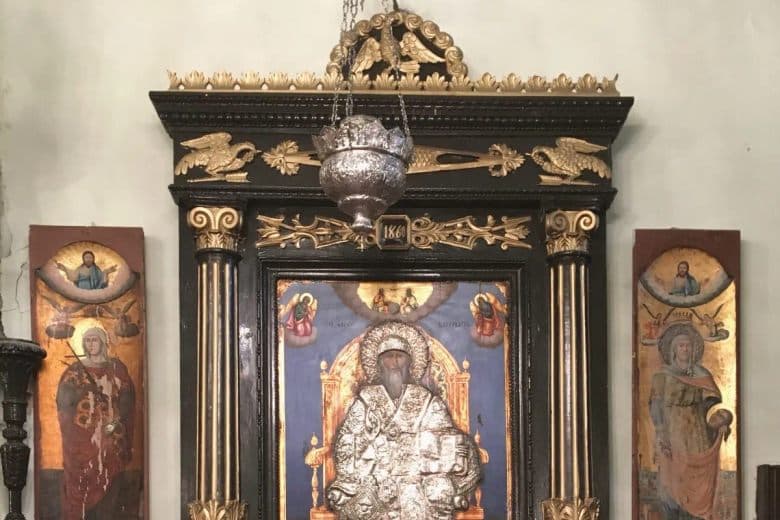
Visitors consistently praise the church's preserved Byzantine architecture and the intricate, centuries-old icons that adorn its interior. The sense of stepping back in time and experiencing a living piece of history is a recurring theme in reviews. However, the primary challenge for visitors is gaining entry. The church is typically kept locked, and access requires ringing a bell next to the door and patiently waiting for an attendant to open it. This process, while sometimes requiring a short wait, is part of the unique experience and is generally described as worthwhile for those who appreciate its historical value.
To make the most of your visit, allocate about 30-60 minutes to explore the interior once admitted. There's no specific 'best' time of day, but visiting during standard daylight hours is advisable. Since access is dependent on an attendant, it's wise to have some flexibility in your schedule. Bring comfortable walking shoes, as the Fener district is best explored on foot. There are no specific items to bring, but a camera is recommended for capturing the unique architecture and icons.
The church is located in the Fener district of Istanbul. While there isn't a direct metro station, it's accessible via public buses that serve the Fener and Balat areas. Many visitors combine a trip to St. Mary of the Mongols with an exploration of the wider Fener and Balat neighborhoods, known for their colorful historic houses and other religious sites. Taxis or ride-sharing services can also drop you close to the entrance. The church is situated behind a high wall, so look for the sign "Meryem Ana Rum Ortodoks Kilisesi" and the bell next to the door.
The main complaint revolves around the uncertainty of access; occasionally, visitors report long waits or finding no one to open the door. To mitigate this, it's recommended to visit during typical working hours and to be prepared for a potential wait. Patience is key, as the unique historical experience often outweighs the minor inconvenience of gaining entry.