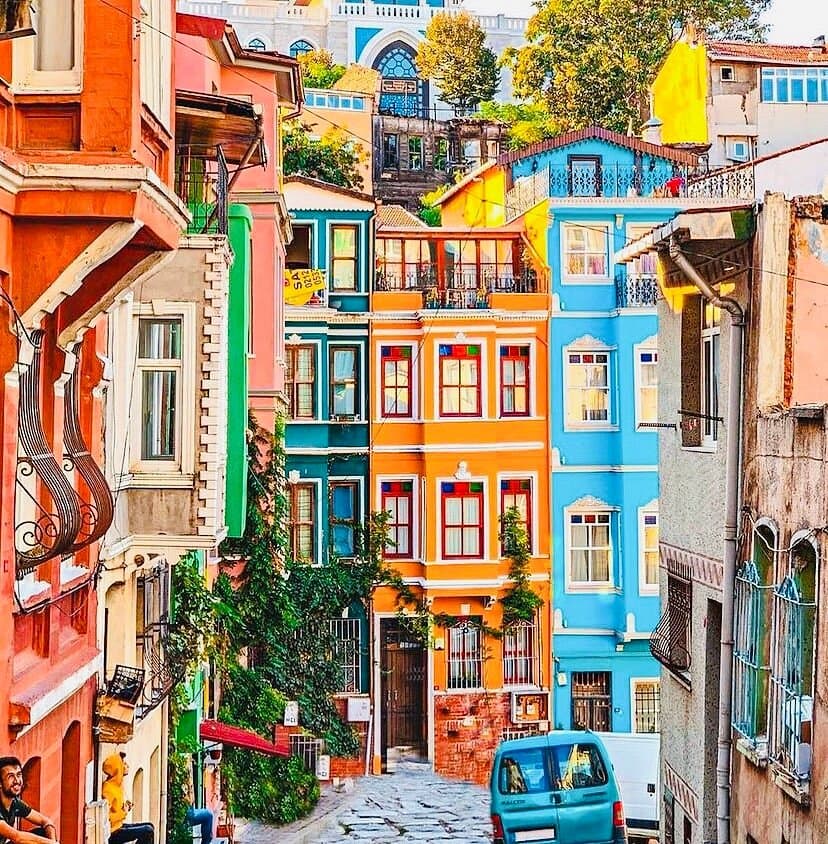
What Balat is and why it matters: Balat is a historic neighborhood on the western shore of the Golden Horn in European Istanbul, once the center of the Ottoman Jewish community after Sephardic Jews were granted asylum in the 15th century. Today it retains steep, narrow cobblestone streets lined with small two– and three-story Ottoman terraced houses, many painted in muted or vibrant colors. The area has become a symbol of Istanbul's multicultural heritage and bohemian character, though it remains a working neighborhood where locals live alongside tourists.
What visitors consistently experience: Reviewers praise the authentic, unhurried atmosphere and the charm of wandering through narrow alleys discovering cafés, antique shops, and family-run restaurants. The colorful houses are the main draw for photography, though visitors should manage expectations—the colored facades are selective and scattered, not a uniform rainbow effect. Many note that the neighborhood's real appeal lies beyond Instagram moments: the steep topography, the mix of restored and weathered buildings, the coexistence of old and new, and the sense of stepping outside mainstream tourist Istanbul. Several reviewers mention the contrast between the main streets (more touristy, with shops and cafés catering to visitors) and the side streets (quieter, with lower prices and more local character). The area works best as a slow exploration rather than a quick photo stop.
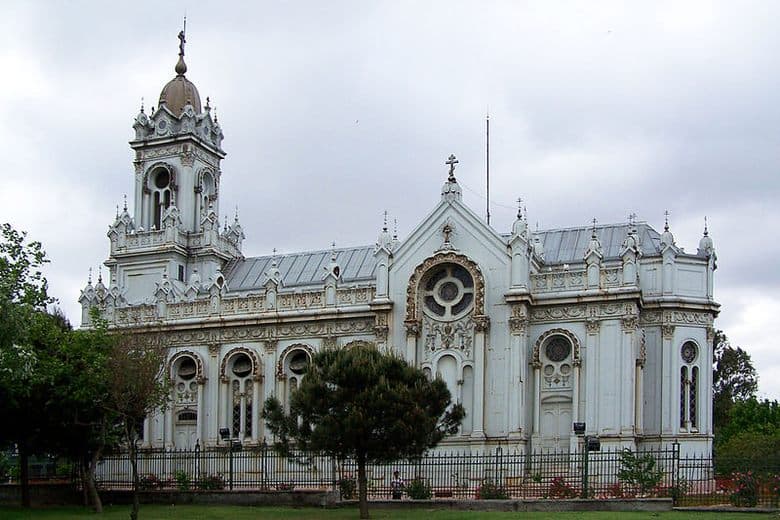
Practical advice from visitor experience: Plan to spend 2–4 hours wandering Balat, depending on how much time you want to linger in cafés or shops. Wear comfortable, non-slip shoes with good grip—the streets are steep, narrow, and often cobblestone, making them challenging to navigate, especially in wet weather. Visitors recommend arriving early in the morning or on weekdays to avoid peak tourist crowds, particularly on weekends when the main streets become congested. The neighborhood is best explored on foot, getting deliberately lost in the side streets rather than sticking to the main thoroughfares. Several reviewers highlight specific spots: the colorful stairs on Baki Dede Street (a 2013 art project by Hüseyin Cahit Soral), the Ecumenical Patriarchate and Church of St. George (a spiritual and historical site), and family-run restaurants like Old Balat. Prices for food and drinks are noticeably lower if you venture away from the main tourist streets. Bring a camera or phone with good battery—the neighborhood is highly photogenic, and you will want to capture details: colorful chairs, flowers on doorways, cats, umbrellas strung across alleys. A Sunday visit is recommended to avoid the ultra-tourist crowds that gather on weekends.
Getting there: Balat is easily accessible by public transport. The T5 tram line runs along the Golden Horn shore and stops near Balat; alternatively, several bus lines serve the area. From Galata Bridge (a major tourist hub), you can take the T5 tram or a bus directly to Balat. The neighborhood is also reachable by ferry along the Golden Horn—several reviewers recommend taking the ferry up or down the waterfront as part of the experience. If driving, parking is limited and the steep, narrow streets are difficult to navigate; taxis or ride-sharing are more practical. Once in Balat, the area is entirely walkable, though the steep hills require physical effort. The main entry point is typically from the lower streets near the Golden Horn shore, from which you climb uphill into the neighborhood.
Common complaints and how to mitigate them: Some visitors arrive expecting a uniformly colorful, Instagram-perfect neighborhood and are disappointed to find only scattered colored houses amid ordinary buildings. This gap between social media imagery and reality is the most common complaint. To avoid disappointment, approach Balat as a neighborhood to experience, not a theme park—focus on the history, the local life, the cafés, and the topography rather than chasing perfect photo spots. A few reviewers note that the area has become increasingly touristy since the early 2020s, with shops and cafés now catering to visitors. However, ordinary life continues, and side streets remain quieter and more authentic. Avoid peak hours (midday weekends) and venture beyond the main streets to find the neighborhood's true character. The steep hills and narrow streets can be physically demanding; wear appropriate footwear and take breaks as needed.