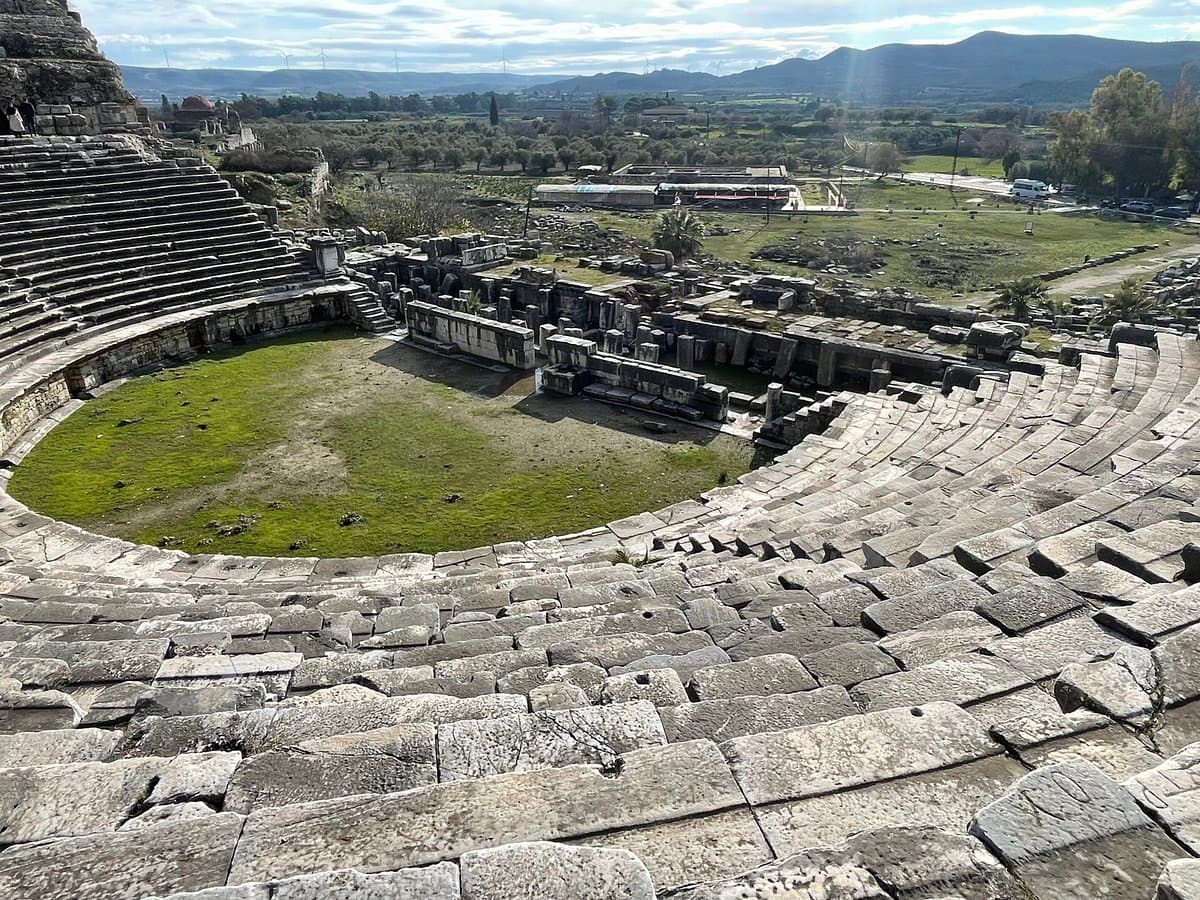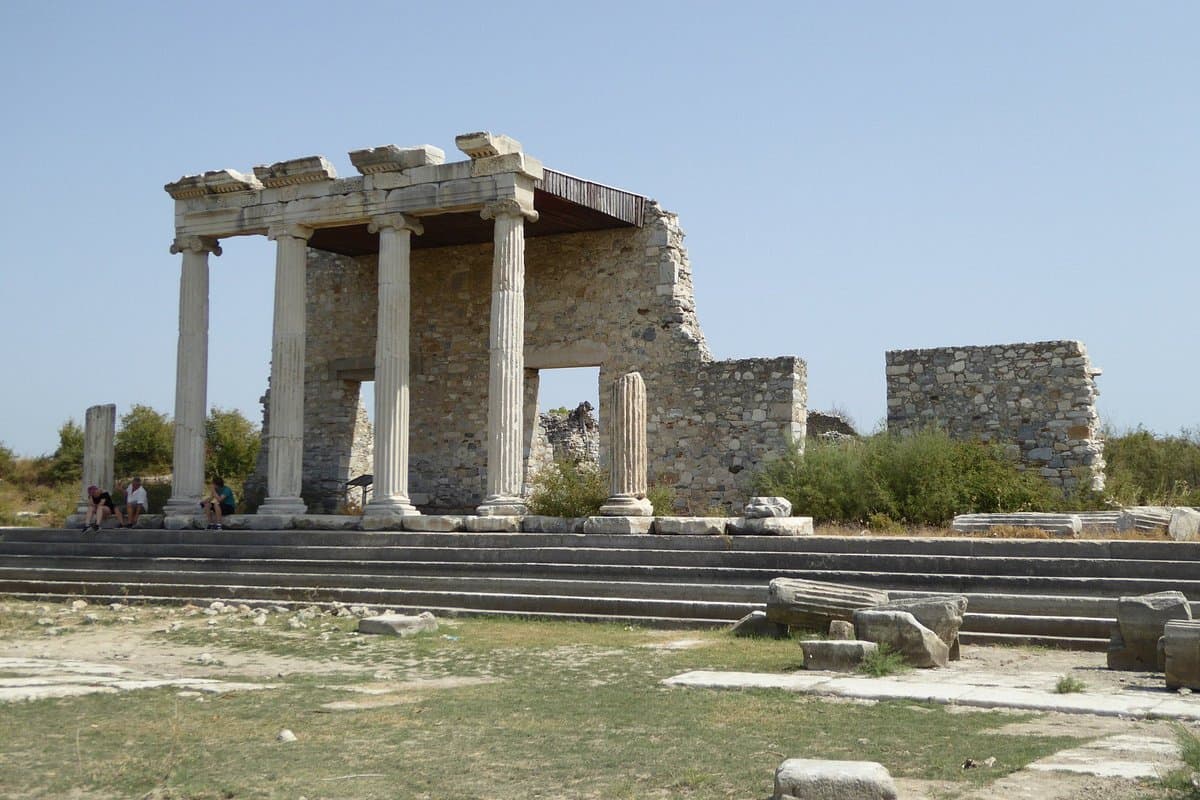
The Miletus Museum is an archaeological museum dedicated to preserving and displaying artifacts unearthed from the ancient city of Miletus and surrounding sites. It acts as a crucial interpretive center, offering visitors a deeper understanding of the civilizations that once thrived in this region, from the Hellenistic period through Roman and Byzantine times. The museum's collection helps contextualize the vast ruins of Miletus, including its impressive theater and other structures.
Visitors consistently praise the museum for its well-presented artifacts, which include pottery, glass, metal objects, and numerous carved stone statues and columns. Many reviewers recommend starting a visit to Miletus at the museum, as it provides an excellent overview before exploring the extensive archaeological site. The signage is generally clear, often provided in Turkish, English, and German, which enhances the visitor experience. While some describe the museum as small, its curated collection is considered interesting and offers valuable insights into the daily life and artistic achievements of ancient Miletus.
To make the most of your visit, allocate about 20-40 minutes for the museum itself. It is best visited in conjunction with the Miletus Ancient City, ideally before exploring the ruins to gain a foundational understanding. The museum is less crowded in the off-season, such as October, allowing for a more peaceful experience. Bring comfortable shoes for walking around the archaeological site afterward, and consider bringing water, especially during warmer months.
The Miletus Museum is located at the entrance road to the Miletus Archaeological site, near the village of Yeniköy. It is well signposted from the main Milas to Söke road. There is a good surfaced road leading to the site, and a car park is conveniently located next to the museum, making it easily accessible for those traveling by private car. Public transport to the museum can be challenging; visitors note that from Didim, one might need to take a bus to Akköy and then arrange for a ride or walk for about an hour. Return transport might also require booking in advance or waiting for infrequent services.
A common complaint among visitors is the difficulty of accessing the site via public transport, which can deter those without private vehicles. To mitigate this, consider hiring a taxi for the day, especially if combining the visit with other nearby ancient sites like Priene or Didyma. Another point mentioned is the relatively small size of the museum compared to the vastness of the ancient city, which might lead some to feel the entrance fee is high for the museum alone. However, the museum ticket is typically part of the overall entrance to the archaeological site, offering combined value.