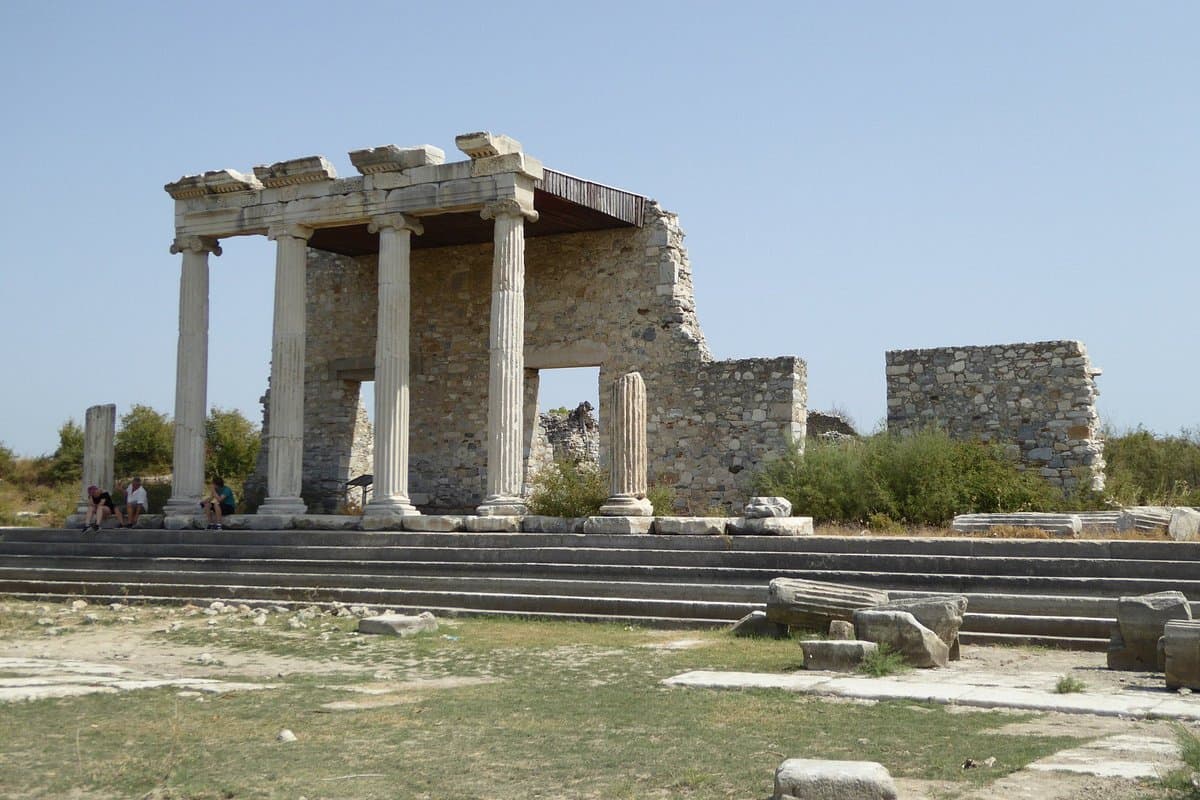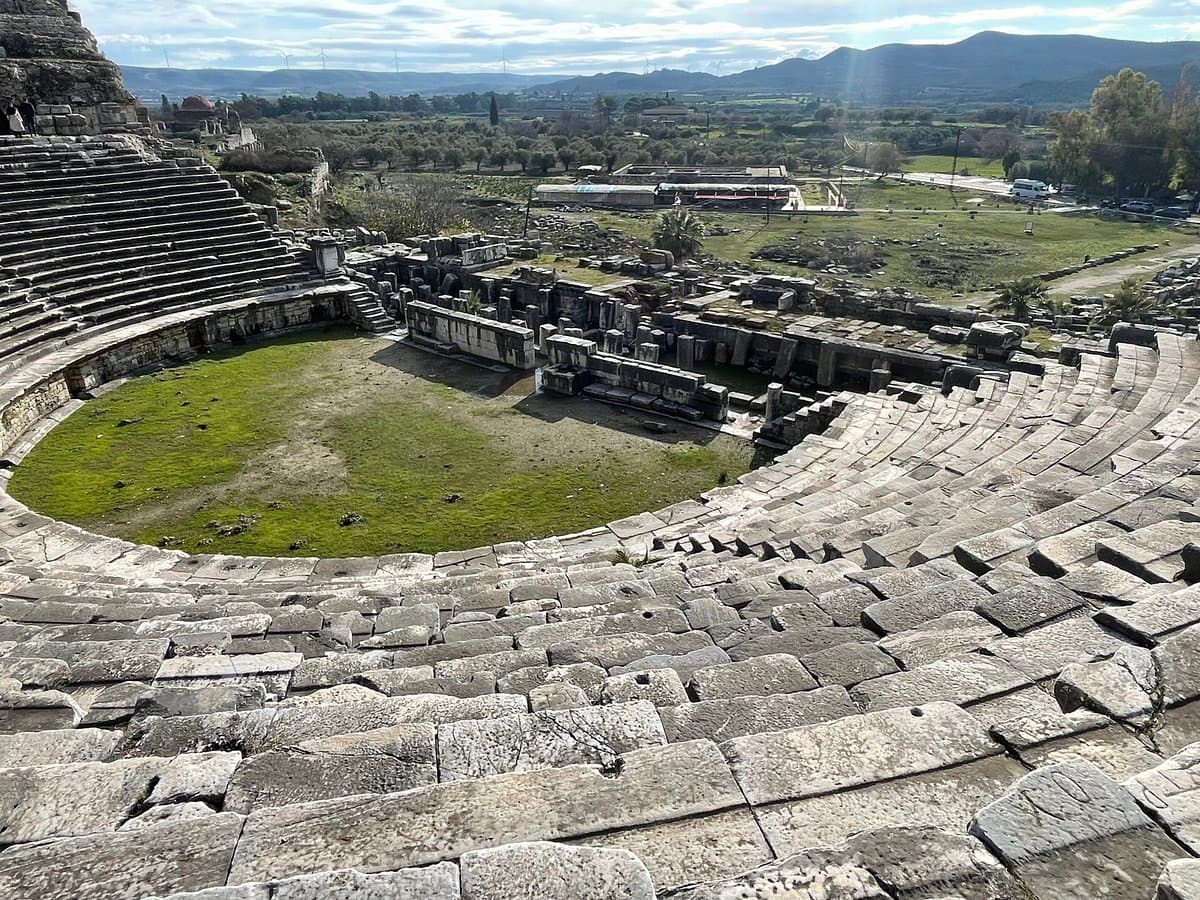
Miletus Ancient City, or Milet Antik Kenti, was once a powerful port city and a cradle of ancient Greek philosophy, famously home to Thales. Today, it stands as a sprawling archaeological site, offering a profound sense of history and scale, particularly through its magnificent Roman theater. Unlike some more heavily visited sites, Miletus often provides a more intimate and less crowded experience, allowing visitors to truly immerse themselves in its ancient past.
Visitors consistently praise the sheer size and remarkable preservation of the theater, often noting its impressive scale compared to even Ephesus. Many reviewers highlight the ability to freely explore the theater's tunnels, seating areas, and upper levels, which offers stunning views of the surrounding landscape. The site's authenticity and the lack of crowds are frequently mentioned as significant advantages, allowing for a more contemplative visit. Beyond the theater, the ruins of the Faustina Baths, the agora, and other scattered structures provide further points of interest, though some areas are less clearly marked or excavated.
To make the most of your visit, wear comfortable, sturdy walking shoes, as the terrain can be uneven and covers a large area. Bring plenty of water, especially during warmer months, as there is very little shade across the site. A hat and sunscreen are also highly recommended. Many visitors suggest allocating 2-3 hours to explore the main attractions, including the theater and the museum, with some spending up to 5 hours to see everything. Visiting early in the morning or late in the afternoon is advisable to avoid the midday heat. A museum card (Müze Kart) is accepted for entry, and some reviewers noted that the site is sometimes free late in the day.
Miletus is located near Didim, and while it's not directly on a major public transport route, it's easily accessible by car. Many visitors combine a trip to Miletus with visits to nearby Priene and Didyma, often as part of a self-drive tour or an organized day trip from Kusadasi or Didim. Parking is available on-site, typically for a small fee. The site is signed from the Milas to Söke road, and the road into the site is well-surfaced. If relying on public transport, the nearest bus stop is about 4 km away, making a taxi or private vehicle a more convenient option.
A common complaint among visitors is the lack of clear signage and information boards, especially outside the main theater area. This can make it challenging to understand the purpose of some of the scattered ruins. To mitigate this, consider bringing a guidebook or doing some research beforehand. Some reviewers also mention the presence of animal droppings (from goats and cows) in certain areas, so watch your step. The vast, open nature of the site means it can get extremely hot, reinforcing the need for hydration and sun protection.