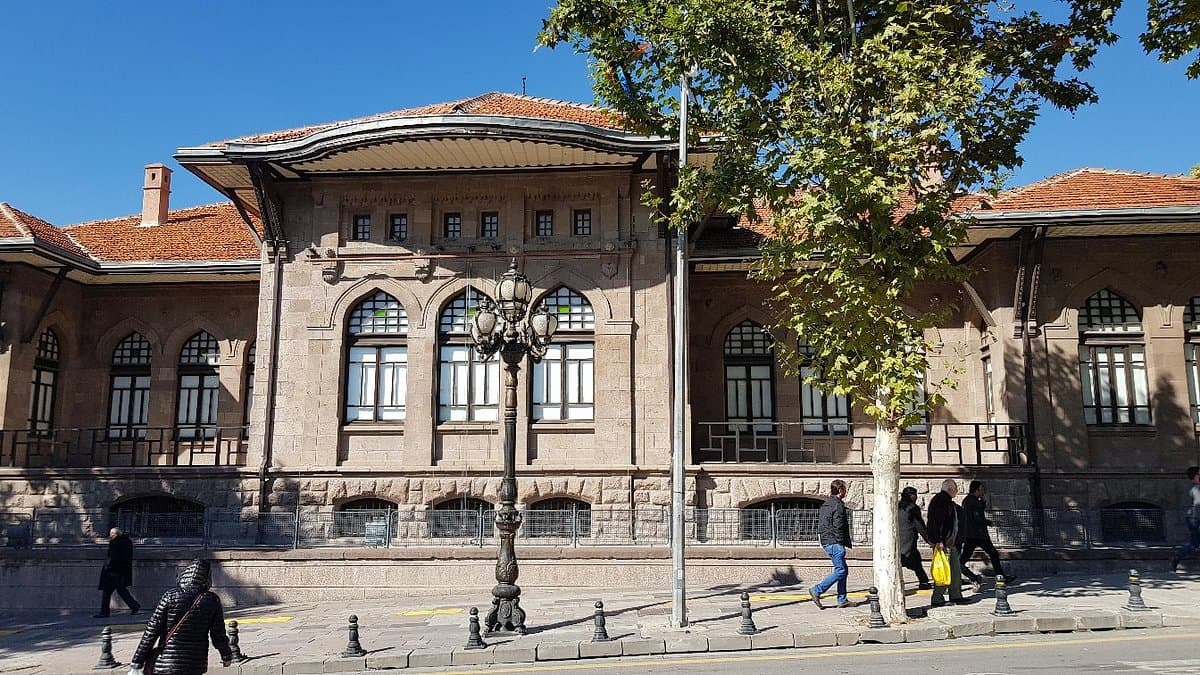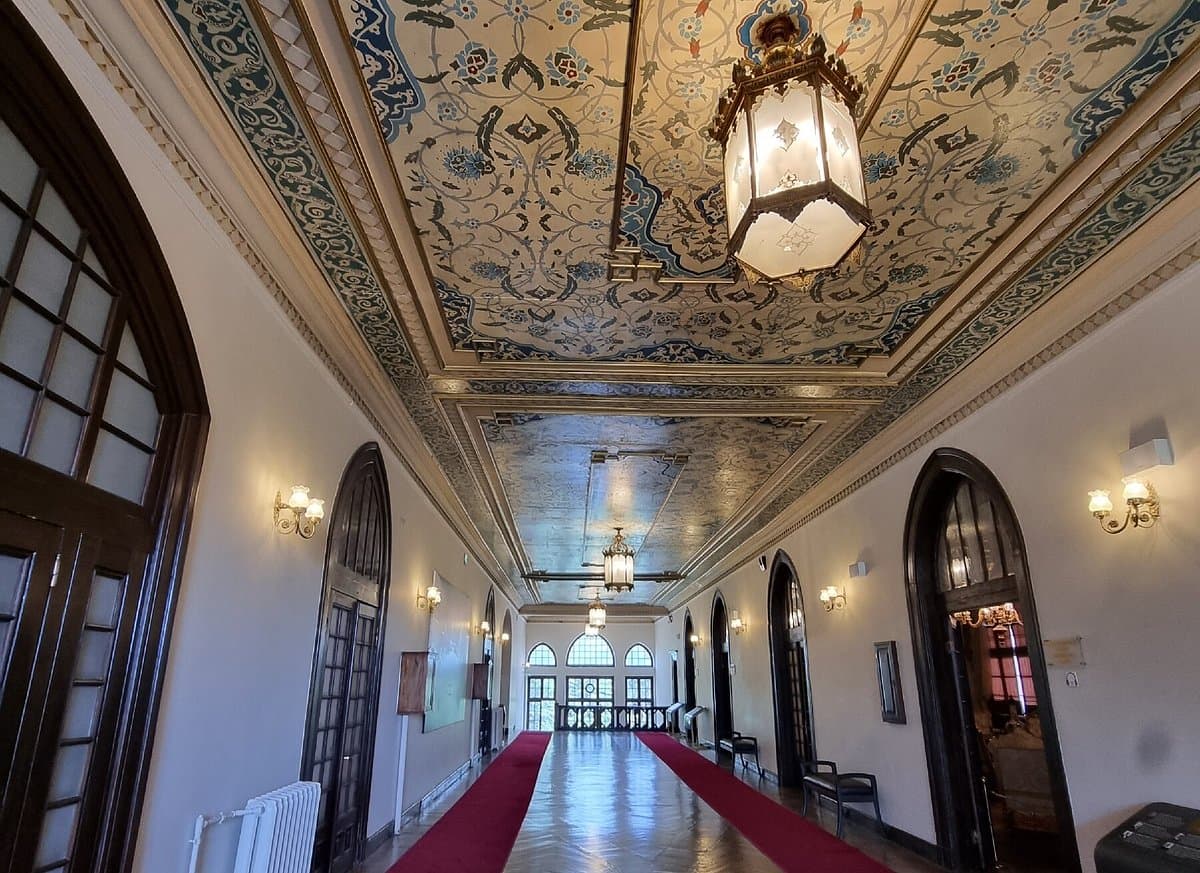
The II. Turkish Grand National Assembly Republic Museum is housed in the building that served as the second parliament of the Turkish Republic from 1924 to 1960. This is where many pivotal decisions were made during the early, formative years of the Republic, including the presentation of Atatürk's famous 'Nutuk' (The Great Speech). It stands as a testament to the nation's struggle for independence and its subsequent establishment as a modern state.
Visitors frequently commend the museum for its well-preserved interiors and the immersive historical experience it offers. Many reviewers highlight the original assembly hall, complete with its period desks, as a particularly impactful sight, evoking a strong sense of the era. The museum also features personal belongings of Mustafa Kemal Atatürk and various documents and photographs from the period, which visitors find deeply moving and informative. The ability to hear Atatürk's voice reciting parts of 'Nutuk' in the assembly hall is often cited as a powerful and memorable element of the visit.
To make the most of your visit, allocate approximately 1.5 to 2 hours. Many suggest visiting this museum after the nearby First Parliament Museum, as the two are historically linked and a combined visit enhances understanding. Both museums are often covered by the same ticket or museum card. While some information is available in English, visitors note that many displays are self-evident, and the atmosphere itself conveys much of the history. Consider bringing headphones if you wish to fully appreciate the audio recordings.
The museum is conveniently located in the Ulus region of Ankara, making it easily accessible via public transport. Ulus is a central hub, and numerous bus lines serve the area. Visitors recommend taking a bus or taxi directly to Ulus. Once there, the museum is within a short walking distance of the First Parliament Museum, allowing for a seamless historical exploration of both sites. Parking in the immediate vicinity can be challenging, so public transport is generally preferred.
A common minor complaint is the limited amount of English labeling on some exhibits. While this doesn't detract significantly from the overall experience for many, those who prefer detailed explanations in English might benefit from using a translation app or hiring a local guide to provide additional context.