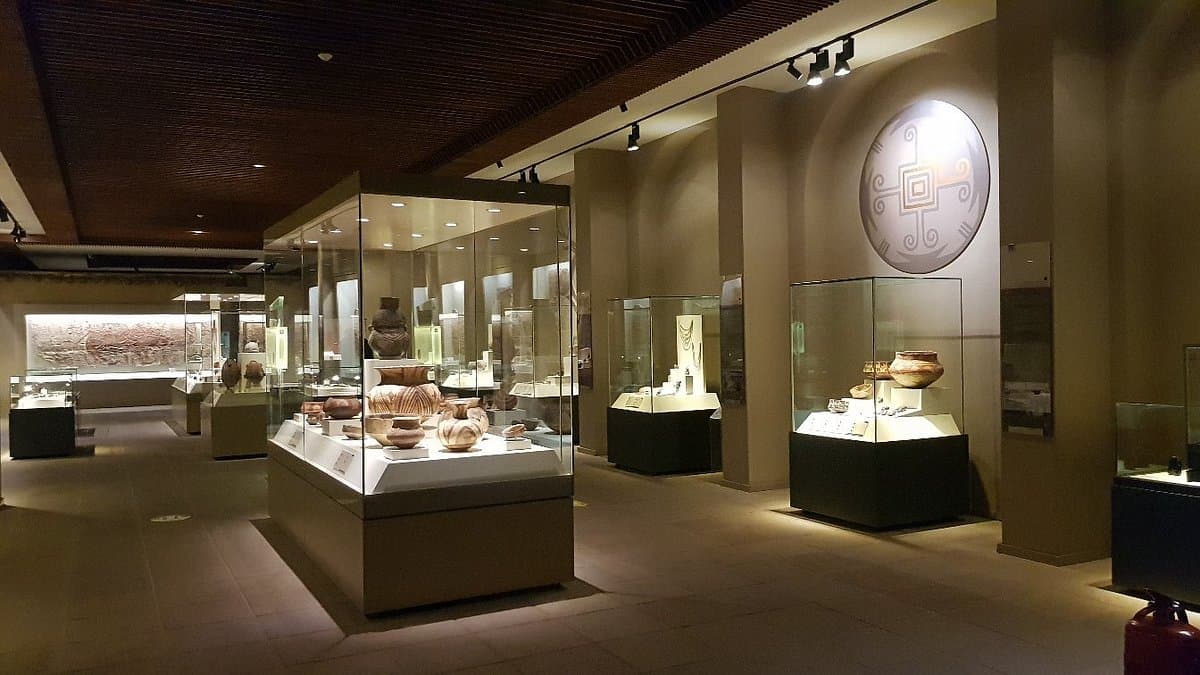
The Museum of Anatolian Civilizations is an internationally acclaimed archaeological museum, recognized with the European Museum of the Year Award in 1997 and a UNESCO award in 2017. It is uniquely housed in two beautifully restored Ottoman buildings: the Kurşunlu Han (caravanserai) and the Mahmut Paşa Bedesteni (covered bazaar), both dating back to the 15th century. This historical setting provides a fitting backdrop for its extraordinary collection, which traces the rich tapestry of Anatolian civilizations from the Paleolithic Age through the Neolithic, Early Bronze Age, Assyrian, Hittite, Phrygian, Urartian, Greek, Hellenistic, Roman, Byzantine, Seljuk, and Ottoman periods.
Visitors consistently laud the museum for its exceptional organization and the quality of its exhibits. Reviewers frequently highlight the chronological layout, which allows for a clear understanding of the region's historical progression. The museum's strength lies in its focus on pre-Greek civilizations, particularly the Hittite and Phrygian artifacts, which many consider to be among the best in the world. English explanations are widely available, making the extensive information accessible to international visitors. Many are surprised by the sheer volume and pristine condition of artifacts, from intricate jewelry and pottery to monumental stone reliefs and the world's oldest mirror. The interactive displays and models of prehistoric periods, including a representation of a Çatalhöyük house, also receive high praise for enhancing the visitor experience.
To fully appreciate the museum, visitors recommend allocating at least 2-3 hours, with many suggesting 4-6 hours or even a full day for those deeply interested in history. It's advisable to visit early in the morning to avoid crowds, especially tour groups, which tend to arrive mid-morning. Bringing a museum card (MüzeKart) can offer discounted or free entry for Turkish citizens and residents, and some reviewers mention pass cards for seniors. While the museum has a cafe and gift shop, some find the gift shop items a bit expensive. The outdoor garden area, featuring Roman-era marble pieces and amphorae, is a pleasant spot for a break, and the air-conditioned interior provides a welcome respite on hot days.
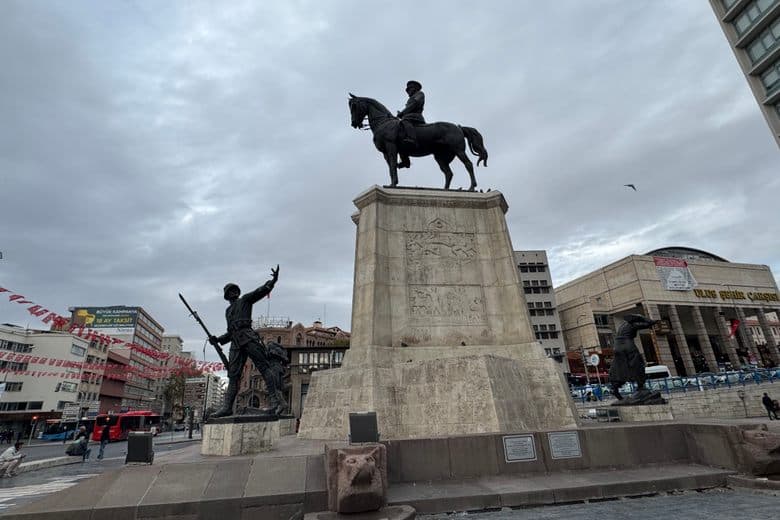
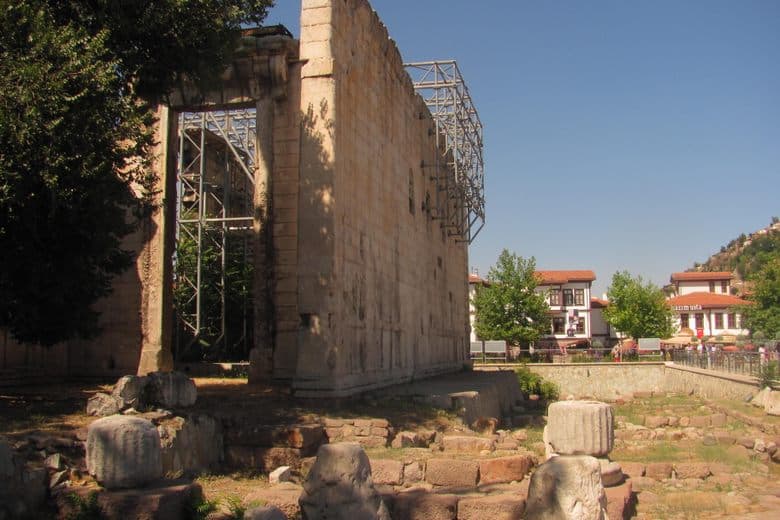
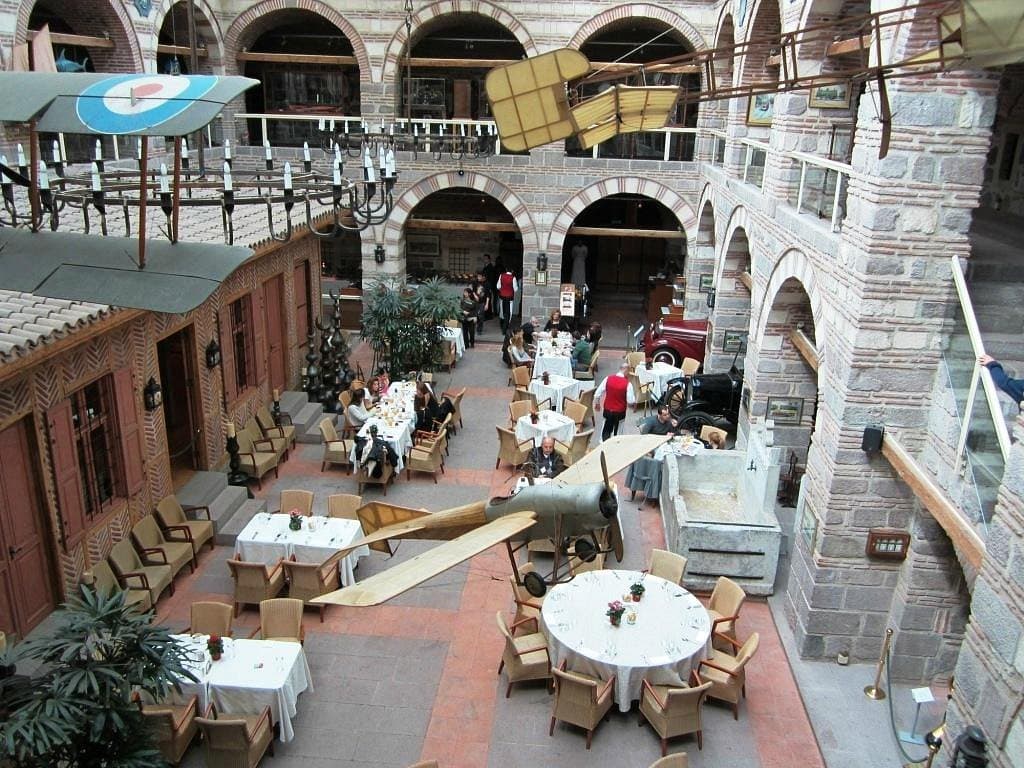
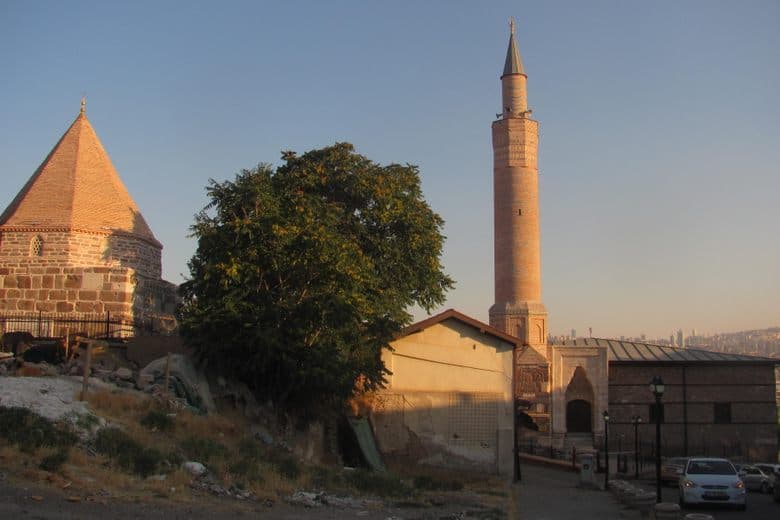
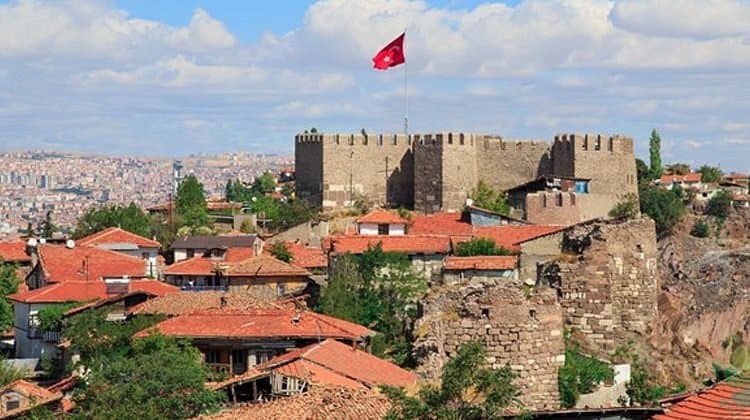
The museum is conveniently located at the entrance of Ankara Castle, in the historic Ulus district. It is easily accessible by public transport, including bus and tram, and many visitors mention reaching it by taxi or tour car. For those driving, parking can be a challenge in the narrow, historic streets, though some reviewers note parking availability a little further down the hill. Its proximity to other historical sites like Rahmi Koç Museum and Ankara Castle makes it an ideal starting point for a day of exploration in the old city. Be prepared for a slight climb if walking from the lower parts of Ulus.
A common sentiment among visitors is that the museum's depth might be overwhelming for those with only a casual interest in history, with some suggesting it caters more to archaeologists and historians. However, even those who initially expected a mediocre experience often leave impressed by the quality and breadth of the collection. Some minor complaints include occasional unclear captions, but these are generally outweighed by the overall positive experience. For a truly enriched visit, consider hiring a local guide, as several reviewers found this greatly enhanced their understanding of the complex history.