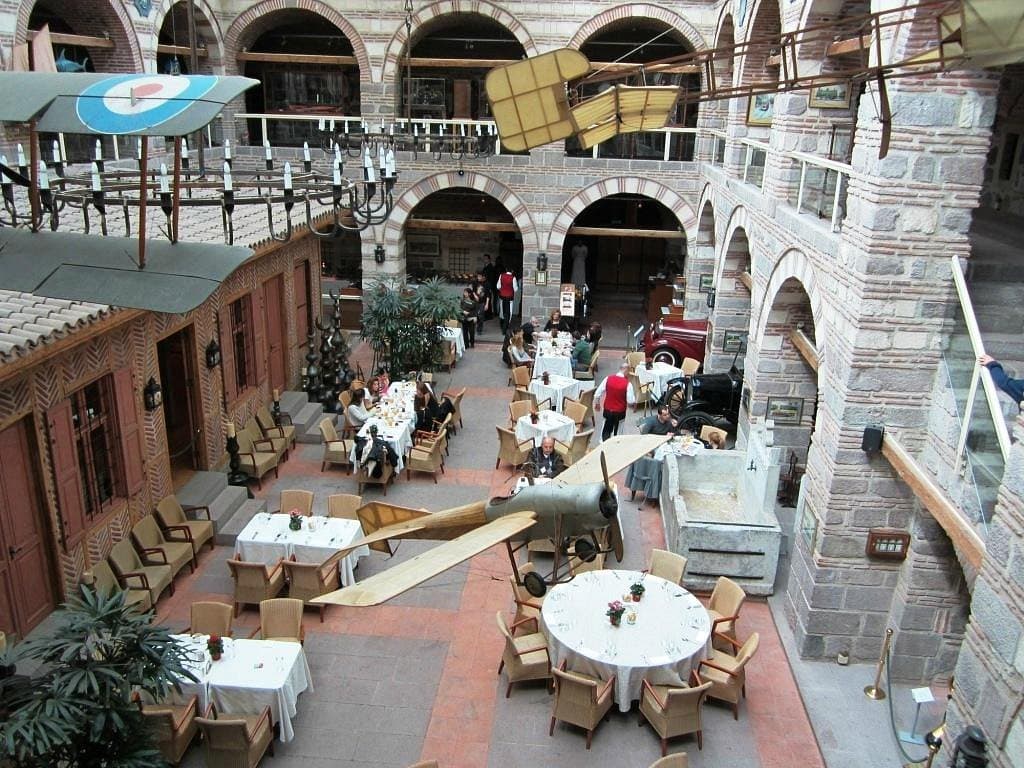
The Rahmi M. Koç Museum in Ankara is a private industrial museum, part of the larger Rahmi M. Koç Museums network, dedicated to preserving Turkey's industrial and technological heritage. Housed within the historic Çengelhan caravanserai, a beautifully restored 16th-century inn, the museum itself is a significant architectural landmark. It showcases the evolution of industry, transportation, communication, and daily life through an extensive collection of artifacts, reflecting the vision of its founder, Rahmi M. Koç, a prominent Turkish businessman.
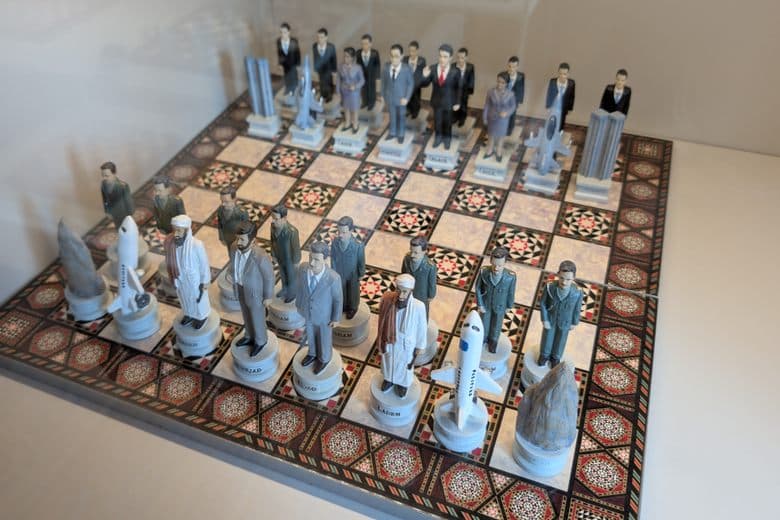
Visitors frequently highlight the museum's incredible diversity and the nostalgic journey it offers. Many reviewers are impressed by the range of exhibits, from classic cars, motorcycles, and model trains to intricate miniature workshops, old radios, typewriters, and extensive toy collections. The recreated traditional Turkish shops, such as shoemakers, dentists, and weavers, are particularly popular, providing a vivid glimpse into past daily life. Families with children consistently rate it highly, noting that the interactive displays and vast array of toys keep younger visitors engaged for hours. The museum is often described as a "living museum" that evokes childhood memories for many adults.
To make the most of your visit, plan to spend at least 2-3 hours, with some visitors suggesting up to half a day to fully explore everything. The museum is well-organized, and English translations are available for most exhibits, which visitors appreciate. It's advisable to wear comfortable shoes as there's a lot of walking across multiple floors and buildings. While there's a restaurant and café inside, some visitors find them a bit pricey, so consider bringing your own snacks or dining elsewhere in the area. The museum is suitable for all ages, making it an excellent family outing.
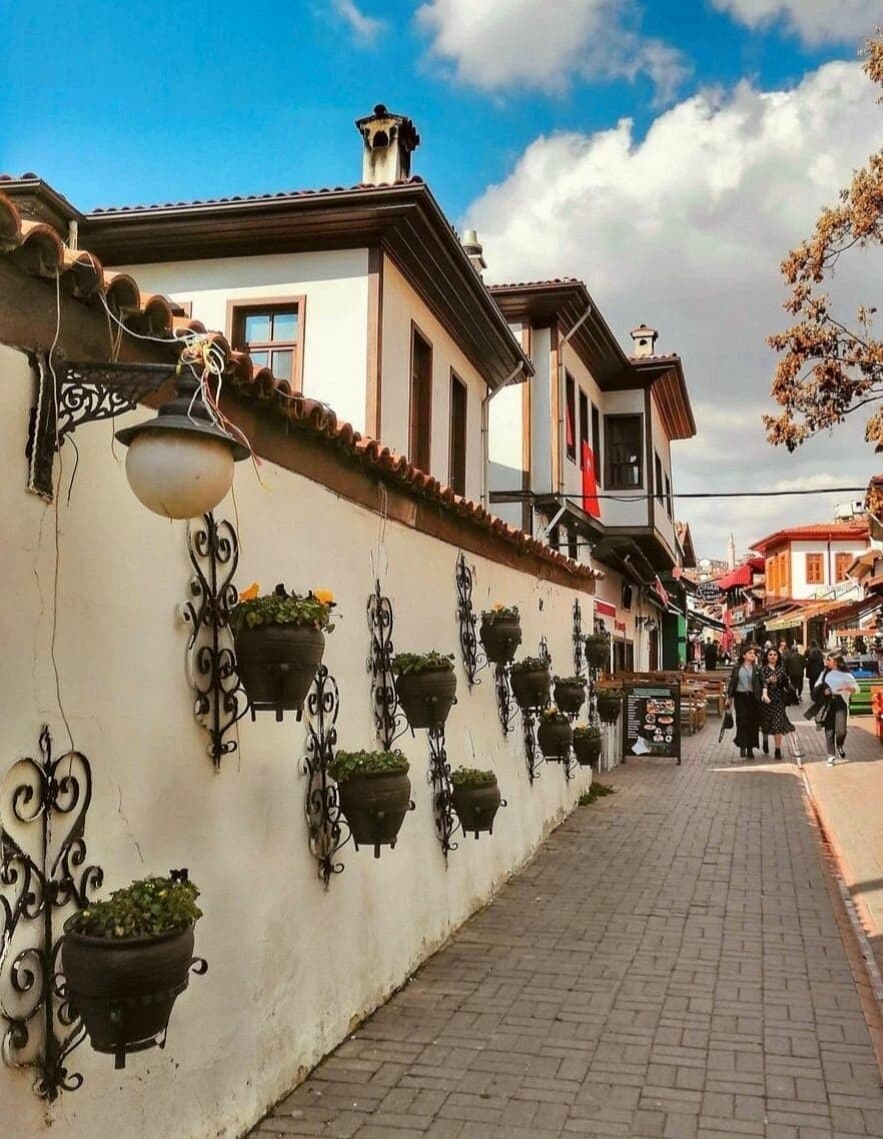
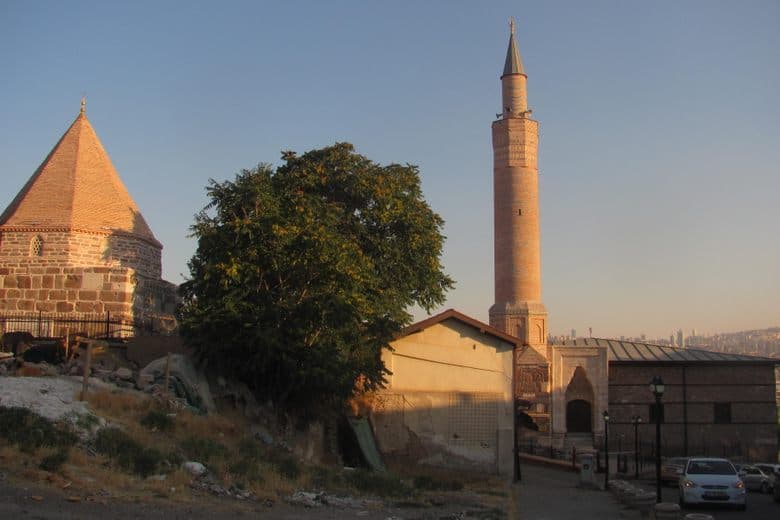
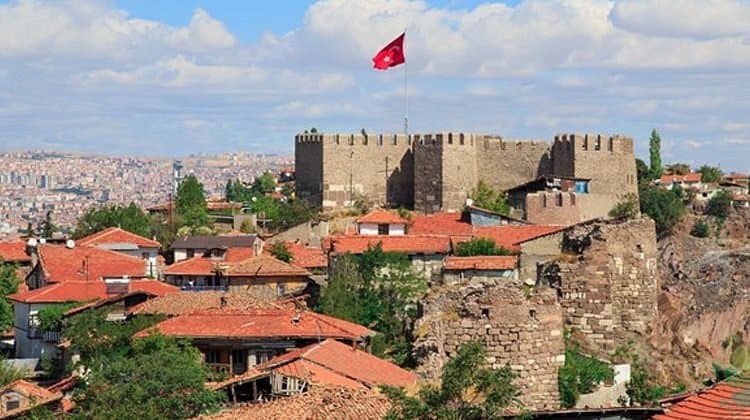
The museum is conveniently located in the historically significant Altındağ district, directly opposite the main entrance to Ankara Castle. It's also just a 3-minute uphill walk from the renowned Museum of Anatolian Civilizations, making it easy to combine visits. Public transport options to the Ulus area are plentiful, and from there, it's a short walk up to the castle entrance. Parking can be a challenge in this historic area, so using public transport or a taxi is often recommended.
A recurring complaint among some visitors is the perceived price discrimination between locals and tourists, with non-Turkish visitors sometimes reporting higher entry fees. While most find the museum well worth the cost, it's something to be aware of. Another minor point mentioned by a few is that while extensive, the Ankara branch is smaller than its Istanbul counterpart. However, most reviewers still find it incredibly rich and engaging, often exceeding expectations for a regional museum.