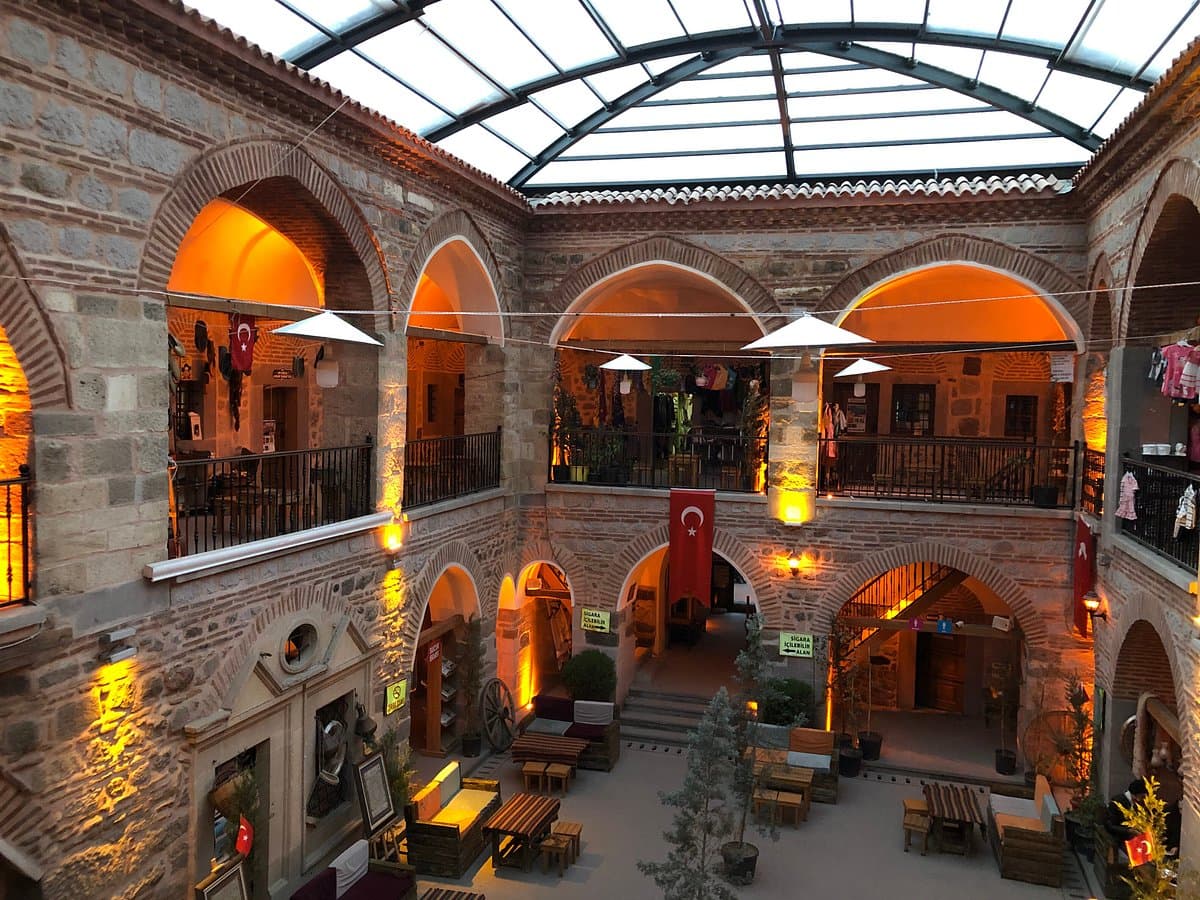
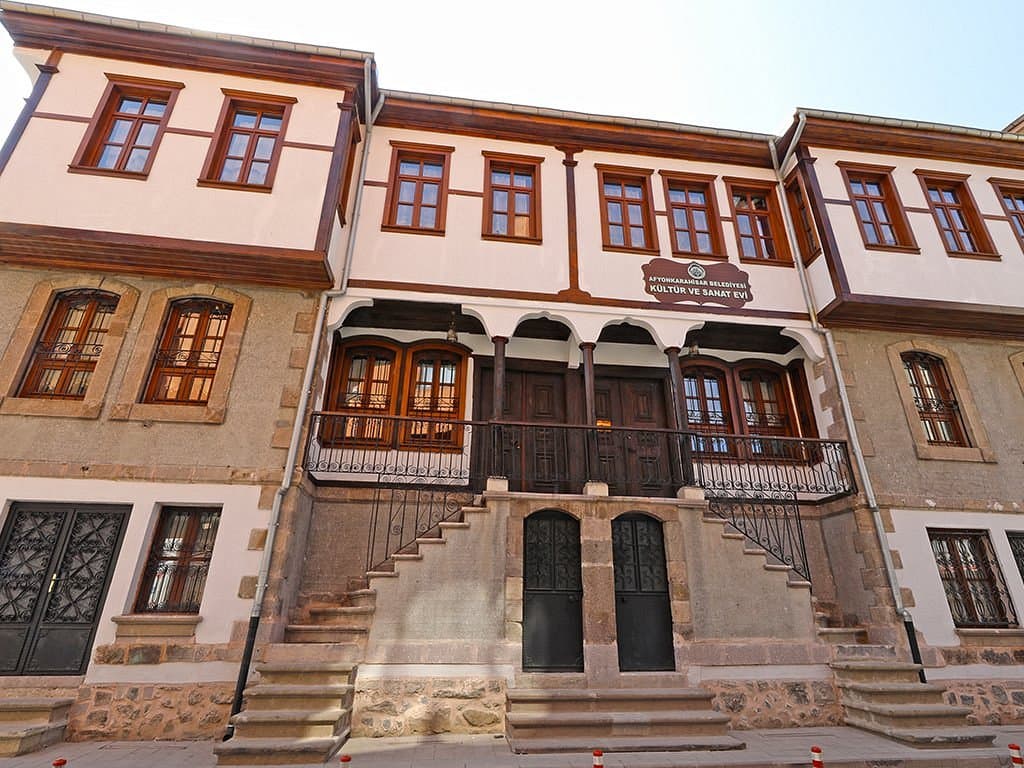
The Afyonkarahisar Culture and Art House is a charming museum dedicated to the rich gastronomic and cultural traditions of the Afyonkarahisar region. Housed within a beautifully preserved historic 'konak' (mansion), the building itself is a significant part of the experience, offering a glimpse into traditional Ottoman architecture. It serves as an important repository for the local heritage, particularly focusing on the culinary arts for which Afyonkarahisar is renowned.
Visitors consistently praise the museum's engaging displays, which span two floors. Reviewers highlight the lifelike representations of people baking bread and preparing local delicacies like 'lokum' (Turkish delight), as well as showcases featuring typical regional dishes. The exhibits are well-arranged, providing a clear narrative of the customs and food culture of Afyon. Many appreciate the attention to detail in each room, making the history feel tangible and accessible.
To make the most of your visit, allocate approximately 1 to 1.5 hours. The museum is best visited during the cooler parts of the day, especially in summer, as the historic building can retain heat. There are no specific items to bring, but comfortable shoes are always advisable for exploring. Since it's a relatively small museum, it's best combined with other nearby attractions in the city center.
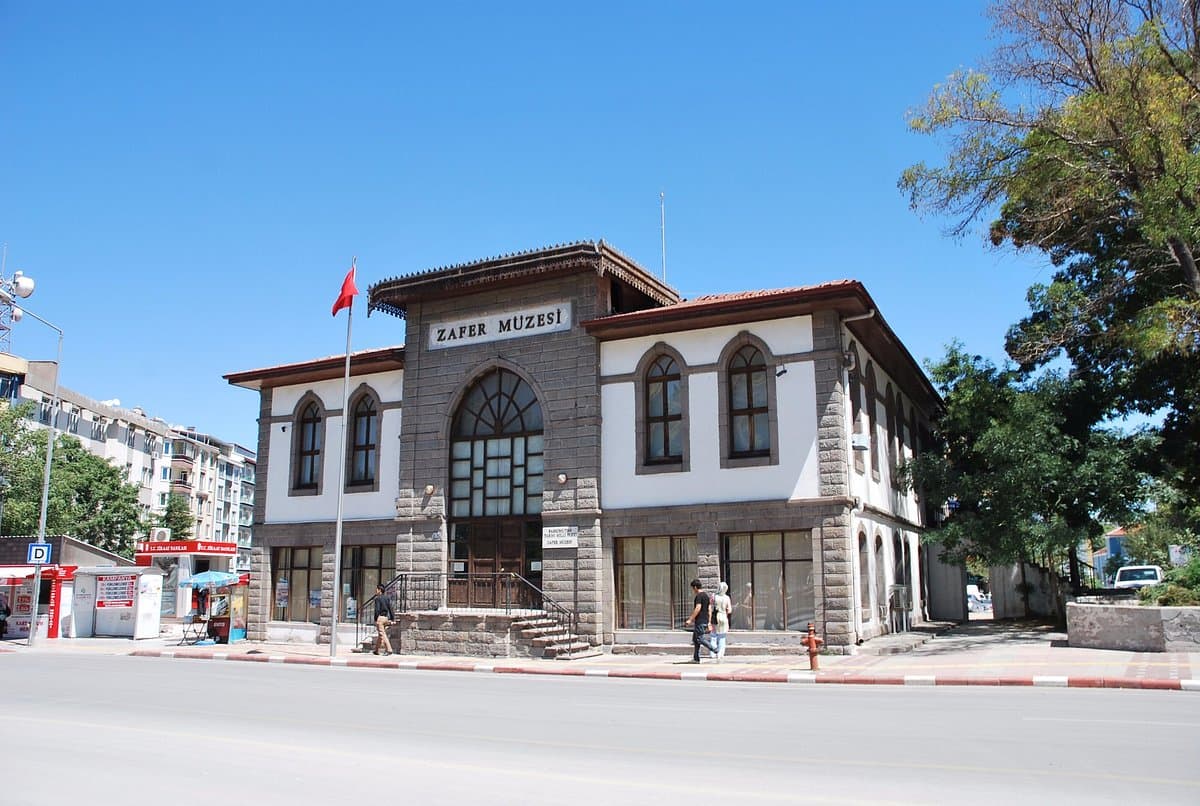
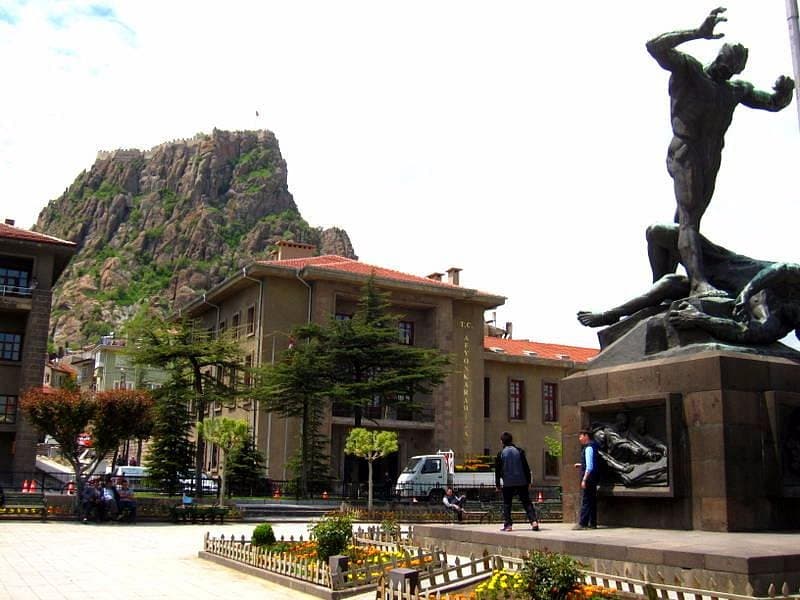
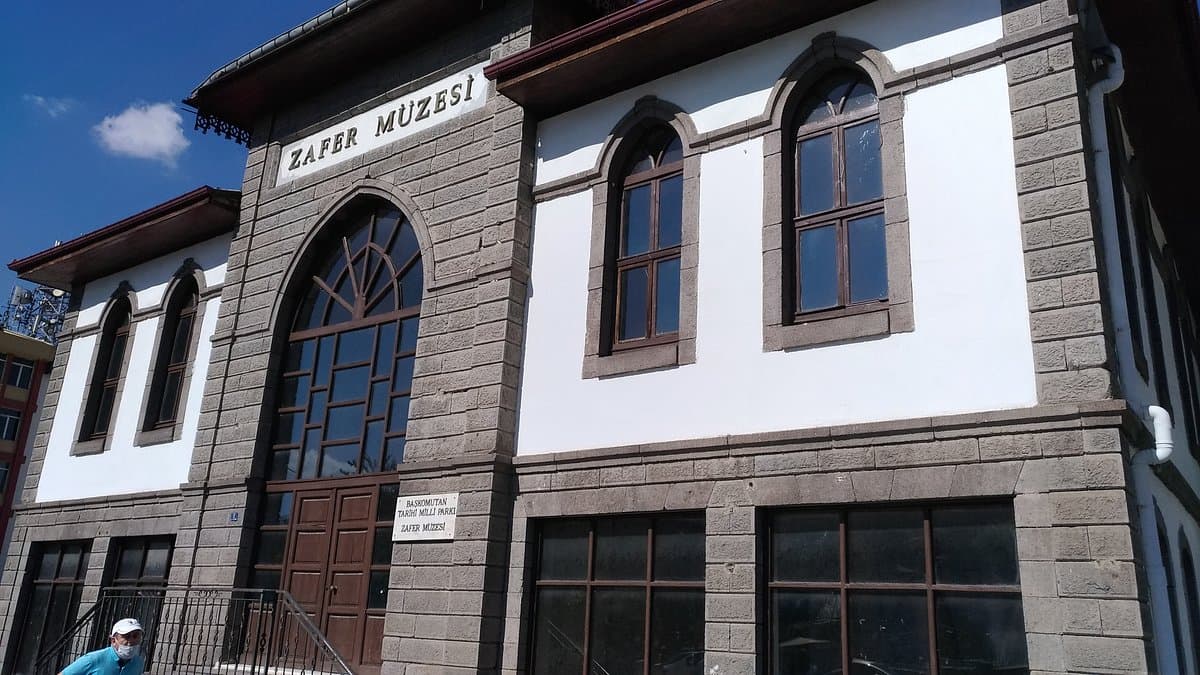
The museum is centrally located on Hal Arkası Sokak in the Fakıpasa Mahallesi district. Reviewers note its proximity to other key landmarks such as the Bedestan and the Zafer Müzesi, making it easily accessible on foot if you are already exploring the historical core of Afyonkarahisar. Public transportation options within the city should also connect to the central area, from which the museum is a short walk.
While generally well-received, some visitors might find the museum relatively small, leading to a shorter visit than anticipated. To mitigate this, consider it as part of a broader walking tour of the historic city center rather than a standalone half-day activity. Its charm lies in its focused presentation of local culture rather than extensive collections.