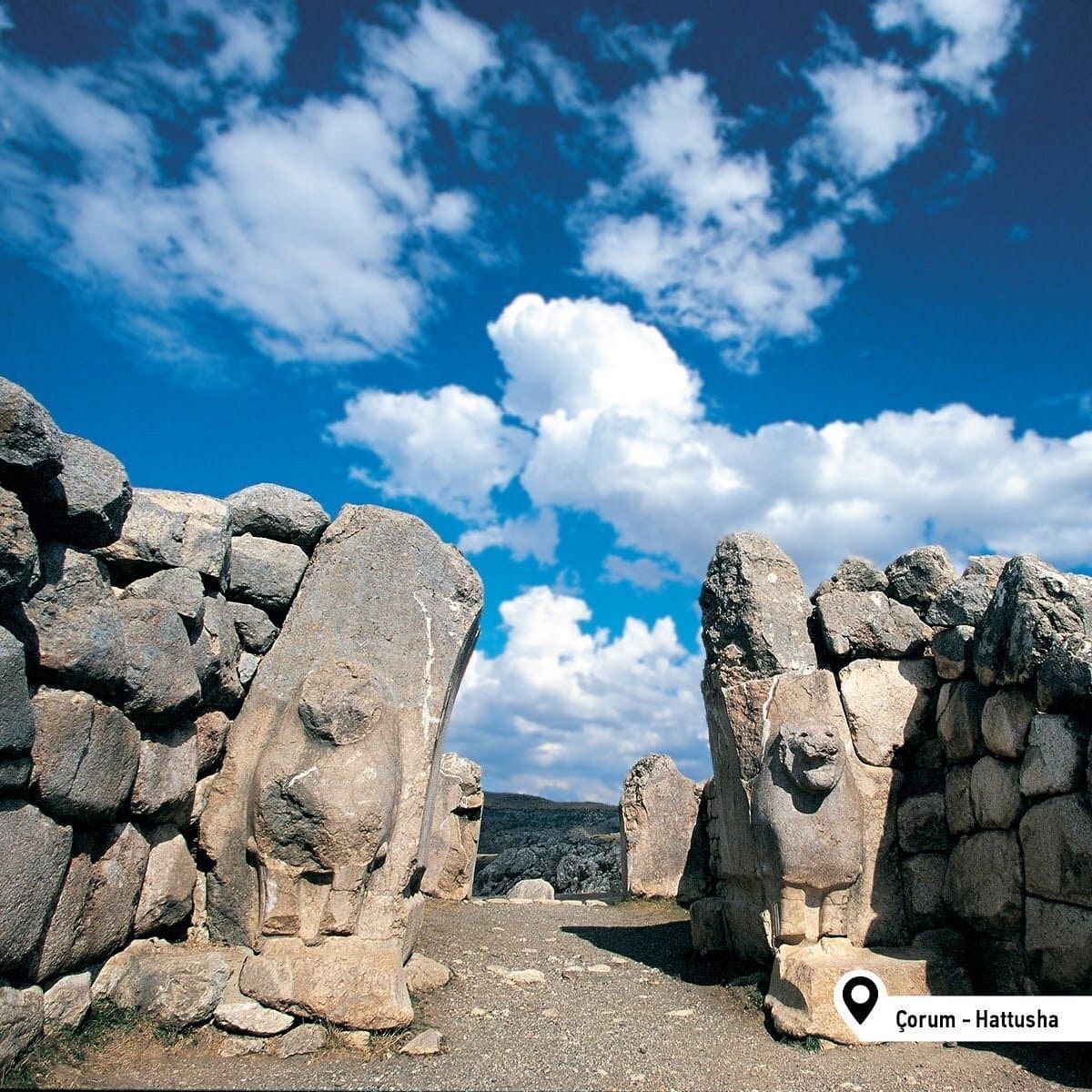
Hattusha, the ancient capital of the Hittite Empire, stands as a UNESCO World Heritage site and a testament to one of the most powerful civilizations of the Late Bronze Age. Located in Central Anatolia, this sprawling archaeological park offers a unique opportunity to explore the remnants of a city that rivaled ancient Egypt. Visitors can trace the outlines of temples, palaces, and fortifications, gaining insight into Hittite urban planning and architectural prowess.
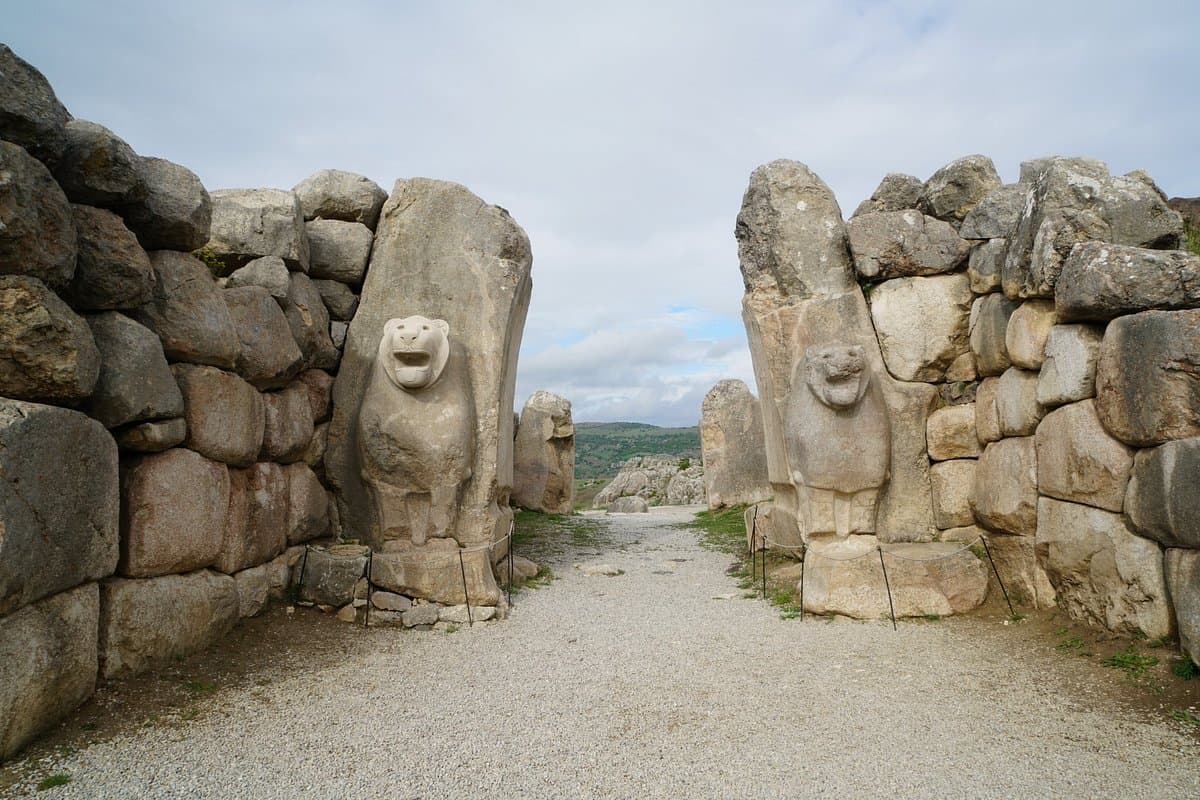
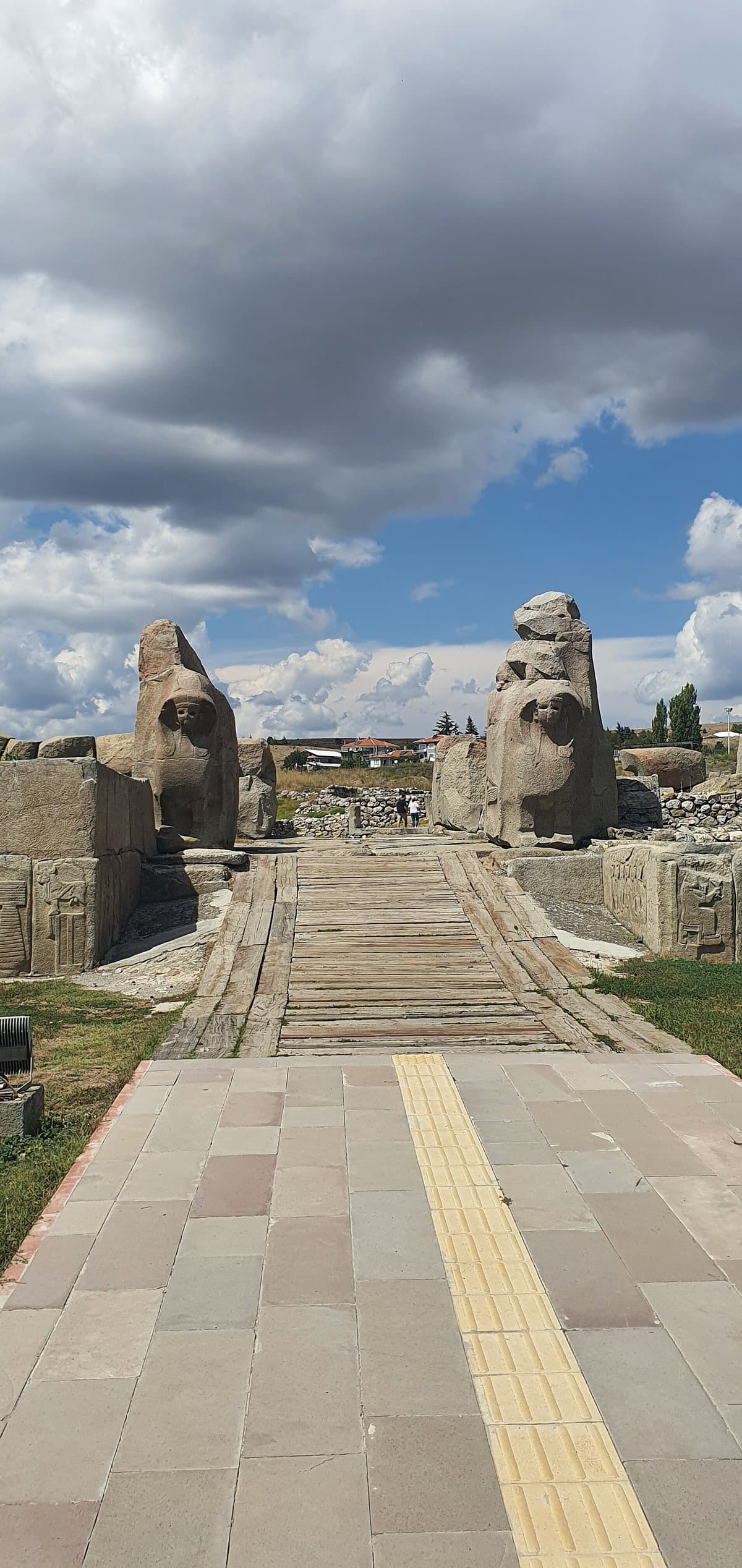
Visitors consistently praise the immense scale of the site and the sense of stepping back thousands of years. Many highlight the impressive gates, such as the Lion Gate, Sphinx Gate, and King's Gate, as particular highlights, noting their well-preserved carvings and monumental presence. The reconstructed sections of the city walls and the underground tunnel (Yerkapı) also receive frequent mentions for helping to visualize the city's past. A recurring theme in reviews is the lack of crowds, even during peak season, which allows for a more contemplative and immersive experience. However, some visitors warn that without prior research or a guide, the site might appear as just "piles of rocks" due to the extensive ruins.
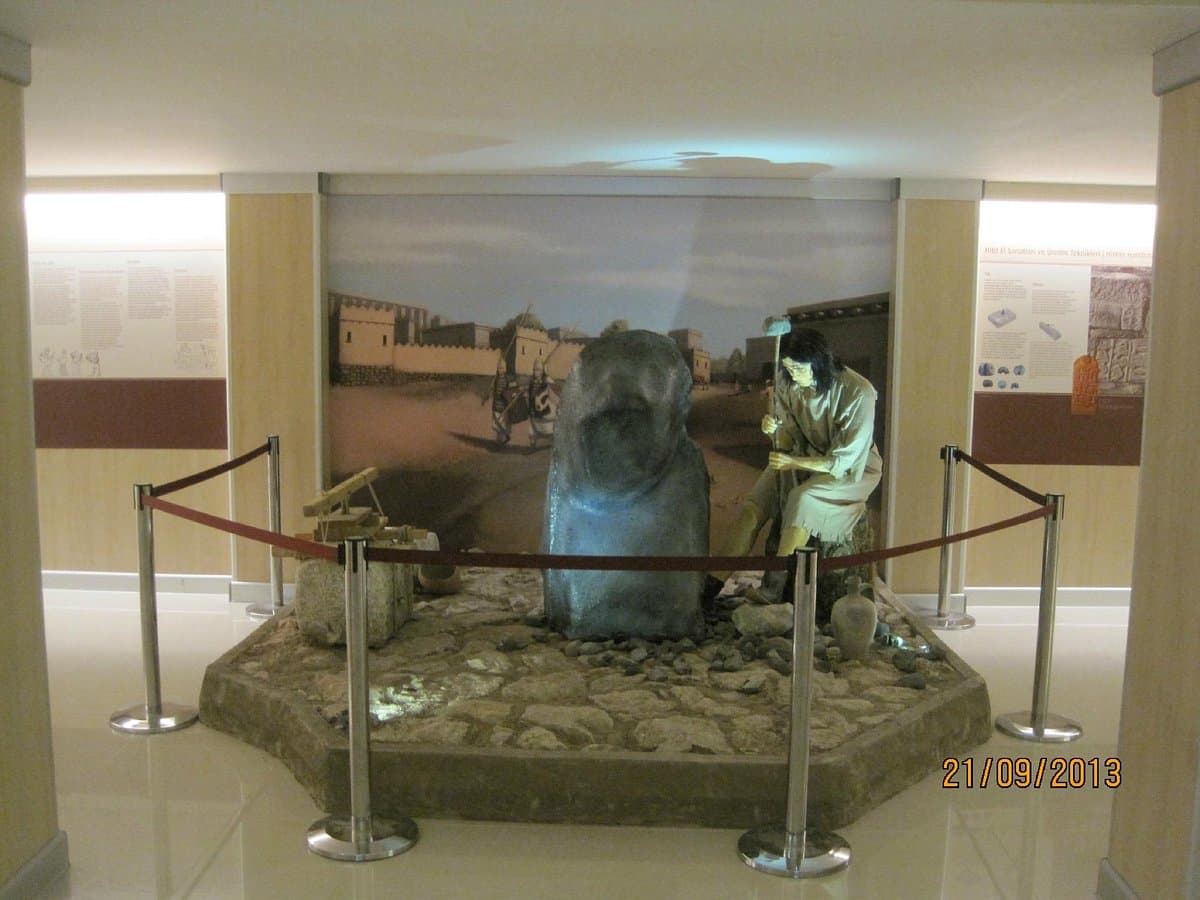
To make the most of your visit, it is highly recommended to have your own vehicle or hire a driver, as the site covers a vast area (a driving loop of about 6.5 km). Walking the entire site is possible but requires significant fitness and a full day, especially given the hilly terrain. Bring plenty of water, snacks, and sun protection, particularly during warmer months. Many suggest visiting in the early morning or late afternoon to avoid the midday sun and enjoy better light for photography. Combining your visit with the nearby Yazılıkaya rock sanctuary and the Boğazkale Museum (in the town) is strongly advised, as the museum houses many artifacts from Hattusha and provides crucial context. Some reviewers also recommend visiting the Museum of Anatolian Civilizations in Ankara beforehand for a broader understanding of Hittite history.
Hattusha is located near the village of Boğazkale, in the Çorum Province. While public transport directly to the site is challenging, visitors often reach it by car from Ankara (approximately a 2-hour drive) or as a detour when traveling between Cappadocia and Ankara/Safranbolu. Taxis from Sungurlu or Yozgat are an option, but can be expensive; inquire with your hotel about shuttle services. Once at the site, vehicular access is permitted, with parking spots available at major attractions along the loop road. The site is well-signposted in English and Turkish.
A common complaint is the difficulty of fully appreciating the ruins without a knowledgeable guide or a good guidebook, as much of the city is reduced to foundations. To mitigate this, consider hiring a local guide at the entrance (negotiation is possible, especially off-season), or purchase a detailed guidebook from the Boğazkale Museum. Some visitors also note that the nearby town of Boğazkale offers limited amenities, so it's best to plan for meals and accommodation outside the immediate area if seeking more options.