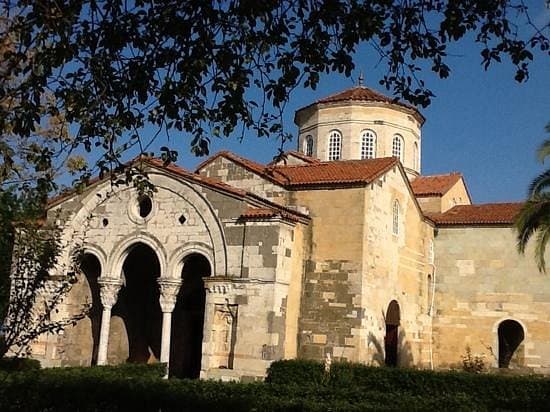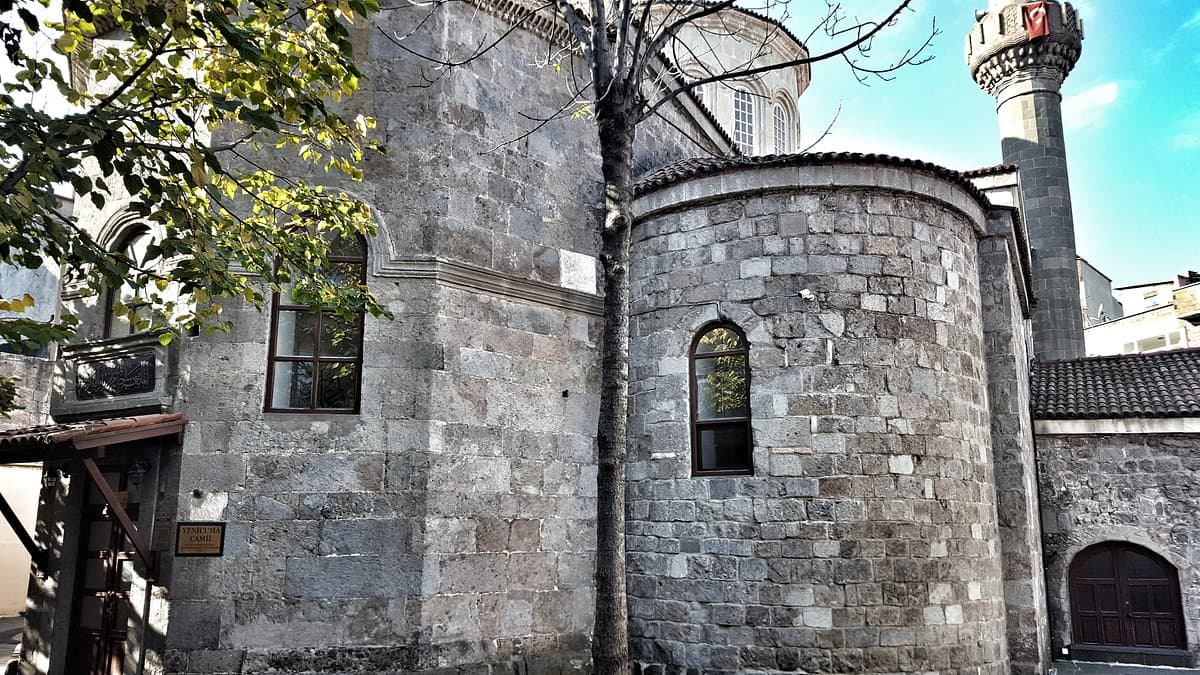
The Yeni Cuma Mosque, also known as the New Friday Mosque, stands as a testament to Trabzon's rich and complex past. Originally constructed as a Byzantine church, likely dedicated to Saint Eugenios, it was later converted into a mosque following the Ottoman conquest. This transformation reflects the city's layered history, where different cultures and religions have left their indelible marks. The building's architecture, particularly its exterior, still hints at its Christian origins, making it a point of interest for those fascinated by historical conversions and architectural evolution.
Visitors frequently praise the mosque's historical significance and its picturesque exterior, which offers good photo opportunities. The surrounding area is also noted for its historical ambiance. However, several reviewers mention that the interior, while functional as a mosque, has been largely stripped of its original Byzantine decorative elements, appearing as a standard mosque conversion. This can be a point of disappointment for those expecting to see more remnants of its church past inside.
Access to the mosque can be somewhat unpredictable. Some visitors report finding the mosque closed, even during what would typically be open hours. One reviewer recounted having to wait a long time and ask a local resident to open the doors. Therefore, it's advisable to be flexible with your visit and perhaps combine it with other nearby attractions. A visit here typically requires no more than 30 minutes, primarily for appreciating the exterior and the historical context. There are no specific items to bring, but comfortable walking shoes are always recommended for exploring Trabzon.
The Yeni Cuma Mosque is located in the Yeni Cuma Mh district of Trabzon. While specific public transport lines aren't detailed in reviews, Trabzon's city center is relatively compact, and many attractions are within walking distance or a short taxi ride. Visitors should confirm the exact address and consider using local navigation apps or asking for directions from their accommodation. Parking might be limited in the immediate vicinity, so walking or using a taxi is often the most convenient option.
The primary complaint revolves around the mosque's inconsistent opening hours and the difficulty in gaining entry. To mitigate this, consider visiting during prayer times when mosques are generally open, or be prepared for the possibility of only viewing the exterior. Managing expectations regarding the interior's appearance, understanding it's a converted space rather than a preserved church, can also enhance the experience.