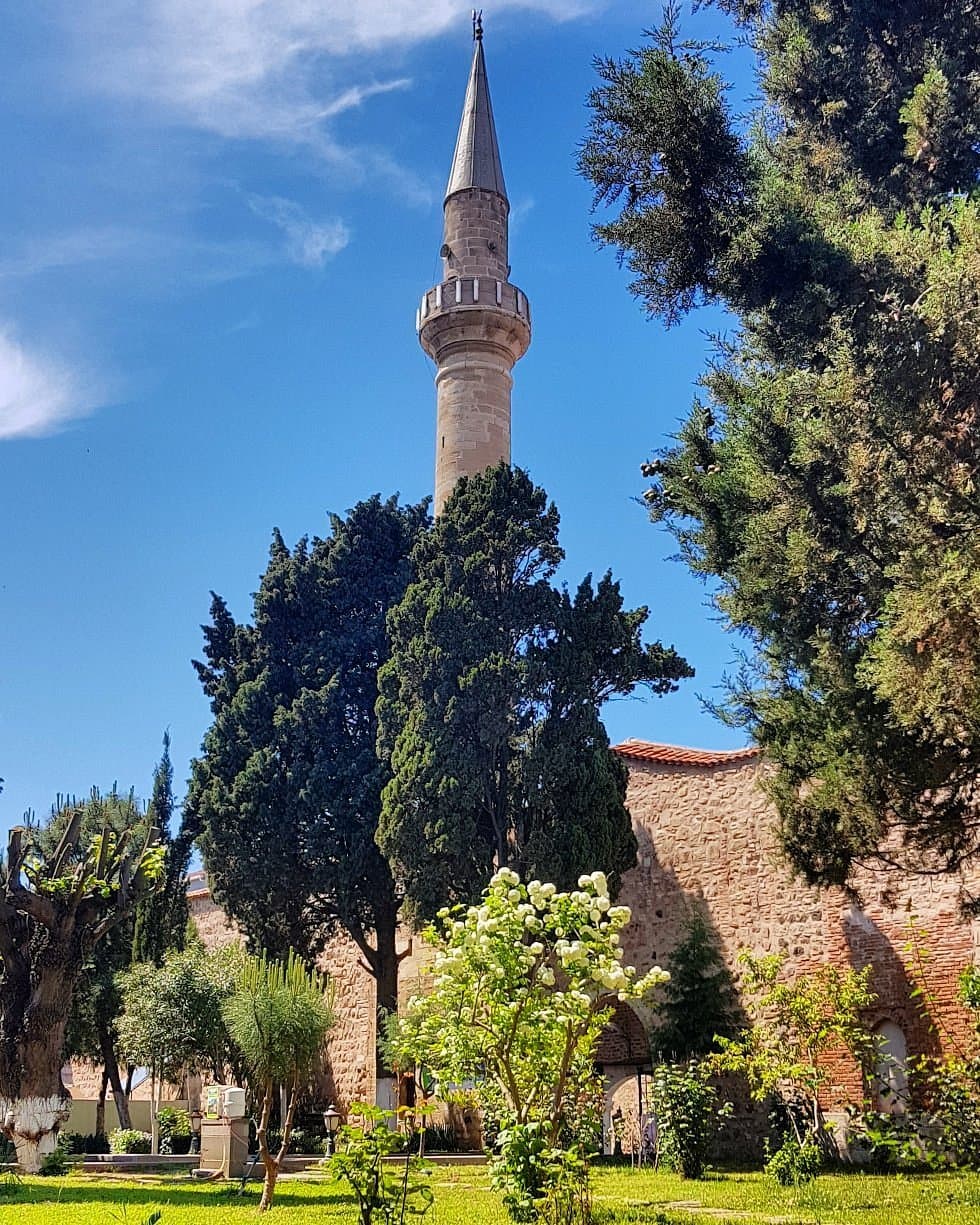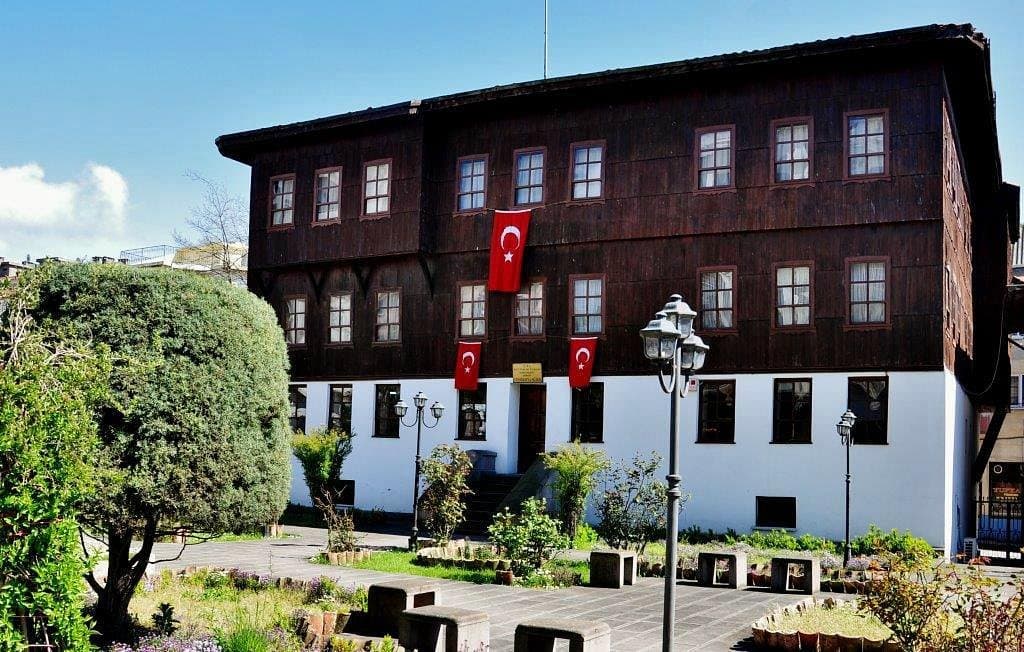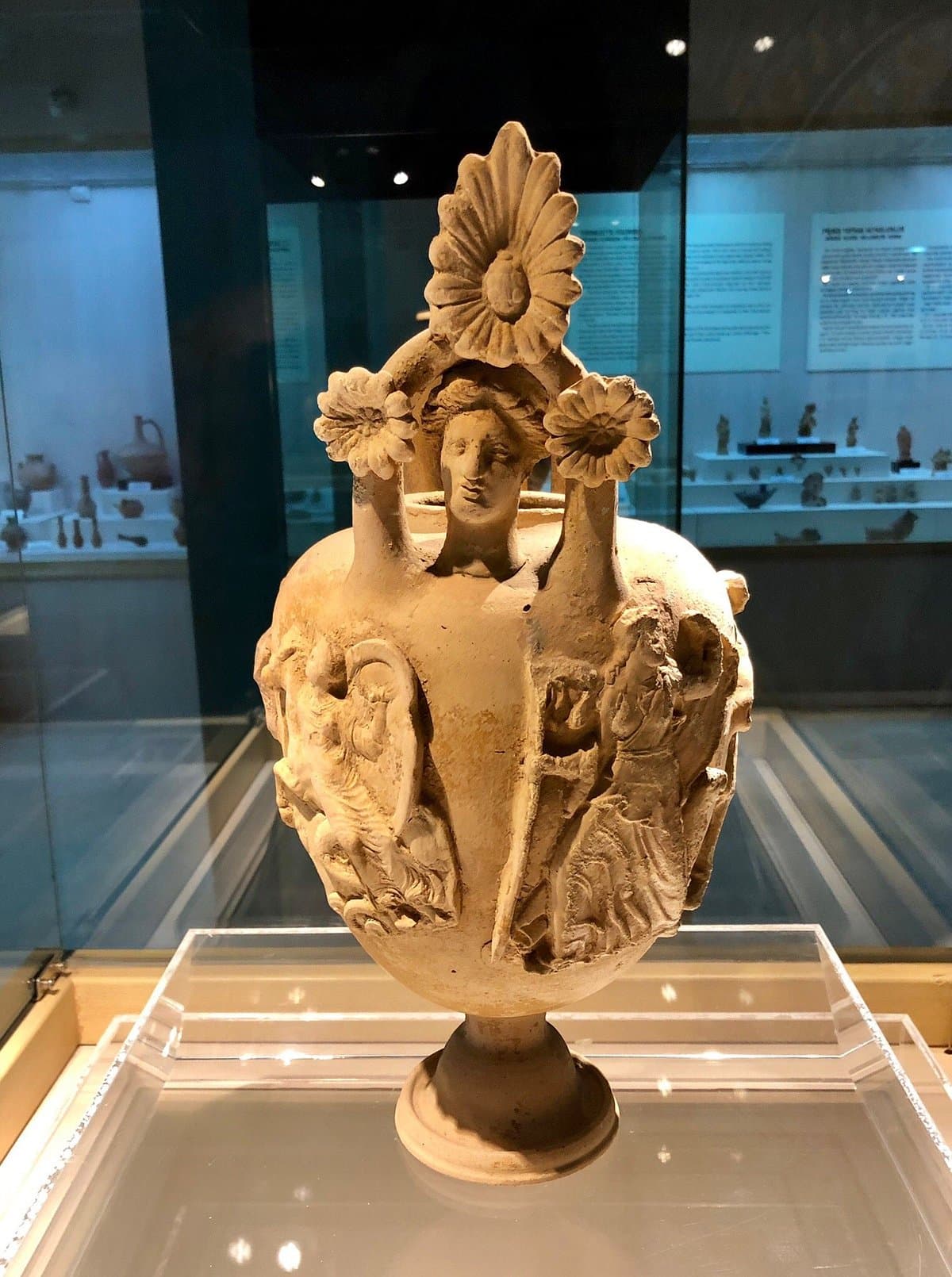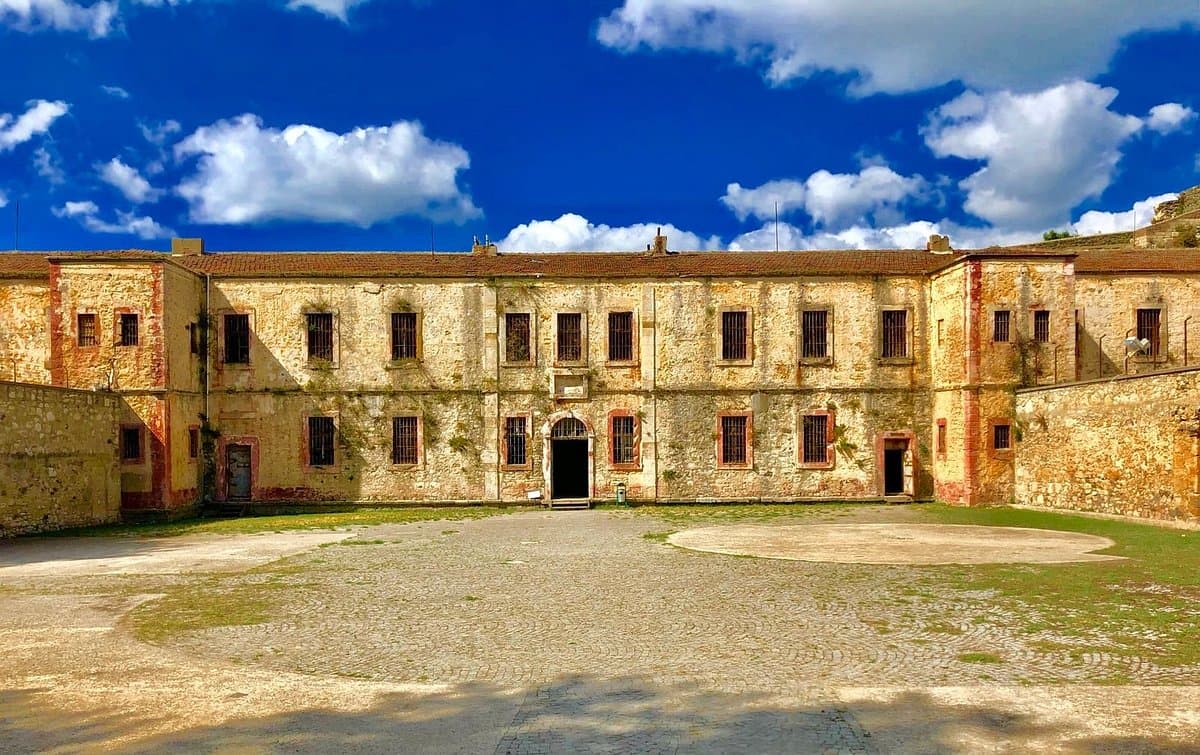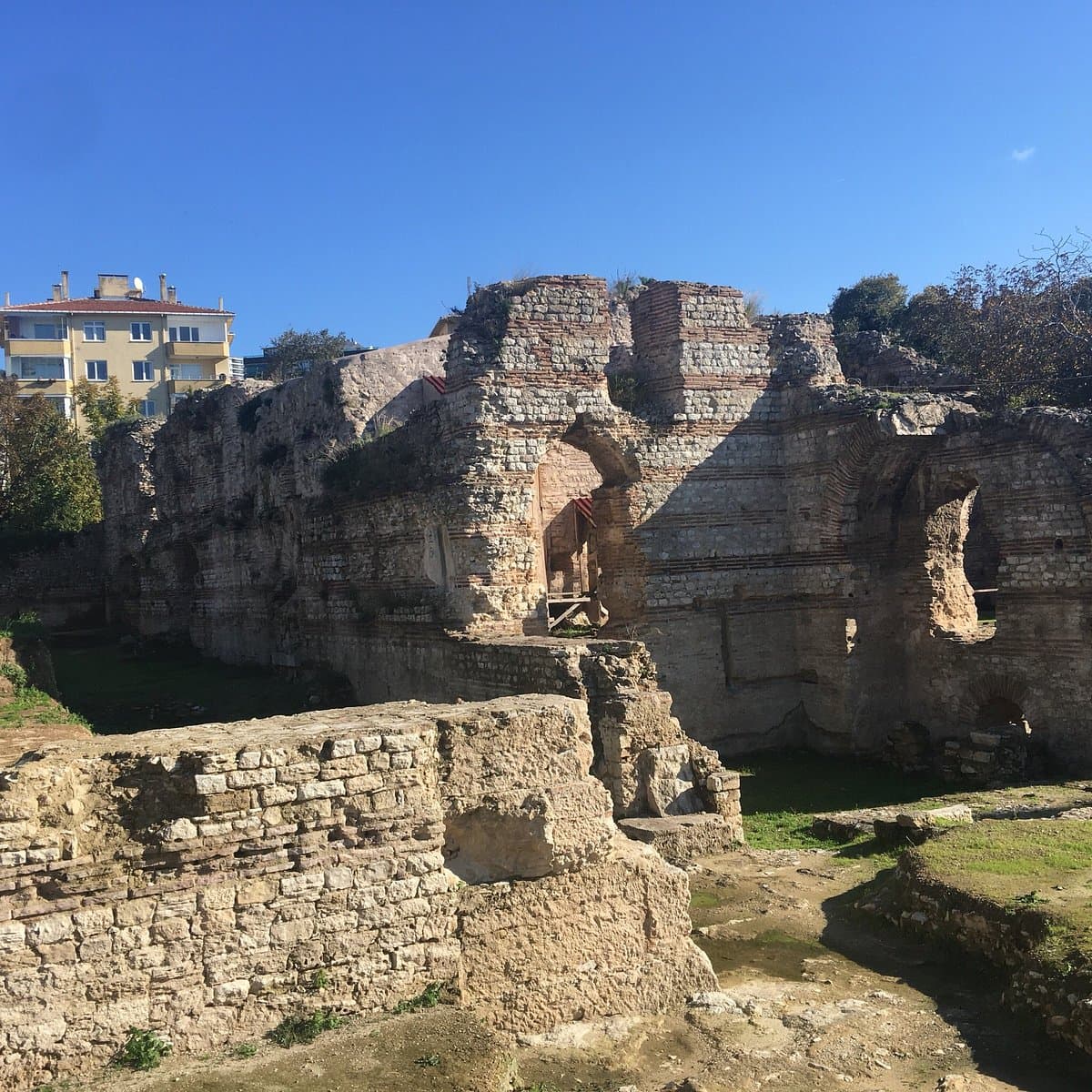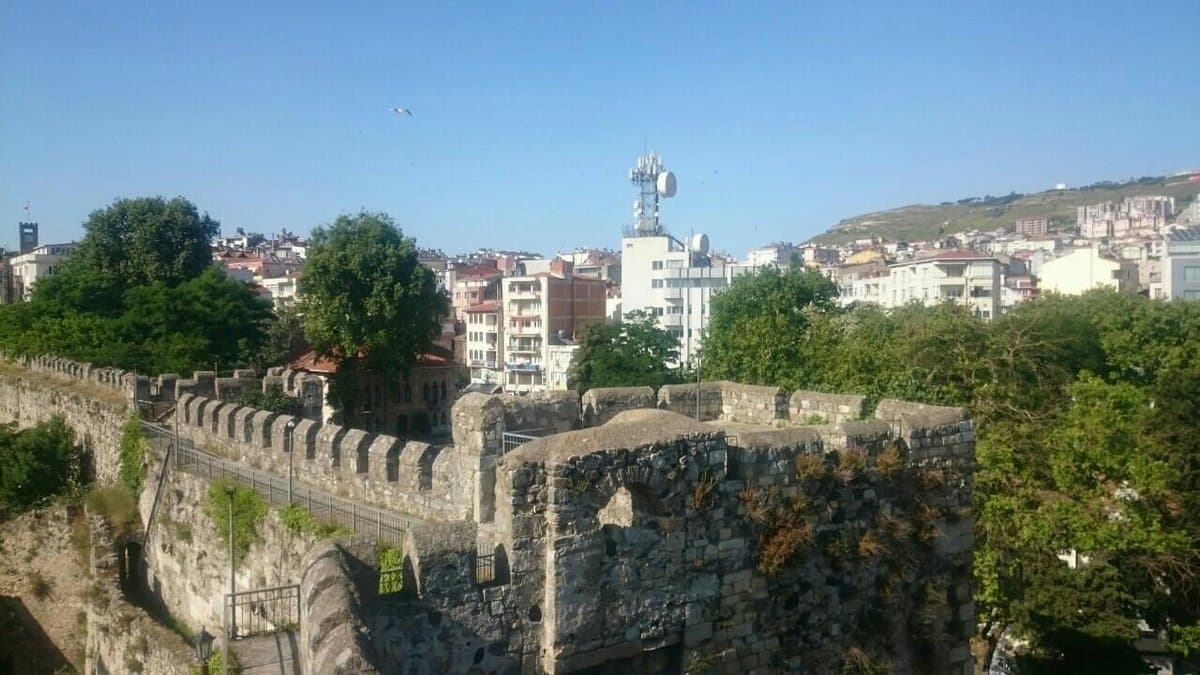
Sinop Castle is a significant historical landmark, representing the layered past of Sinop from ancient times through the Seljuk era. Its origins trace back to the 8th century BC, with various conquerors adding to its fortifications over centuries. The castle walls once protected this vital Black Sea port from both land and sea invasions, making it a testament to the city's strategic importance.
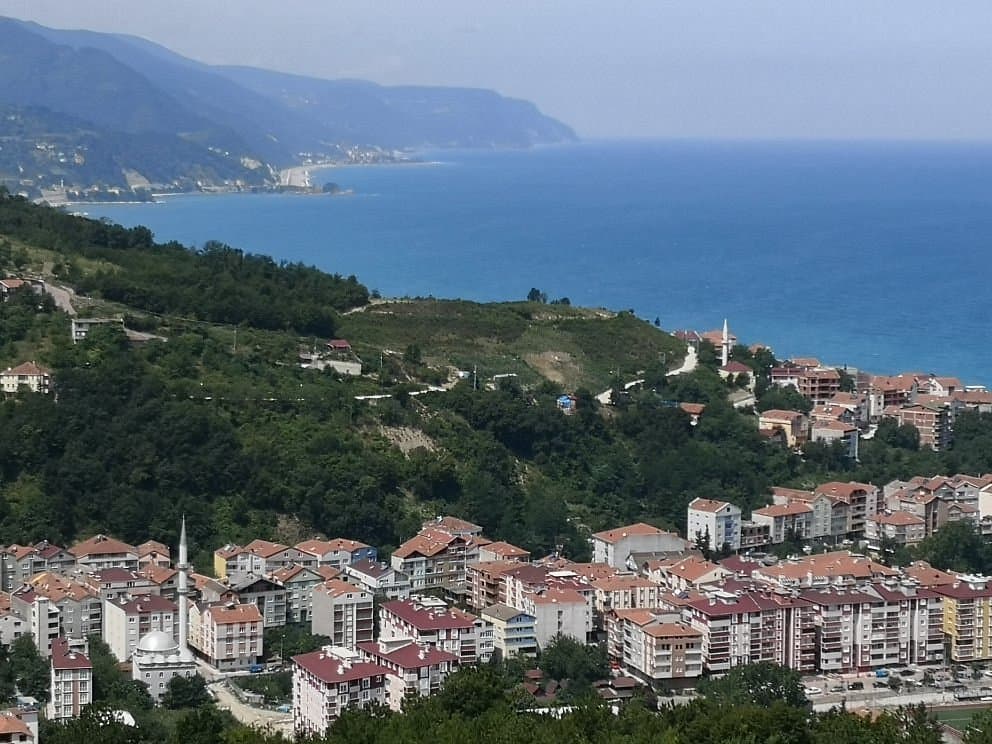
Visitors consistently praise the impressive views offered from the castle walls, particularly over the harbor and the Black Sea. Many reviewers highlight the opportunity to climb steep stairs to the top of the walls, rewarding them with panoramic vistas. The presence of cafes and even a pub within the castle area is frequently mentioned, allowing visitors to relax and enjoy the scenery with a drink. Some sections, especially near the marina and Kumkaji Beach, are noted for their well-preserved, thick walls.
To make the most of your visit, allocate 1-2 hours, especially if you plan to climb the walls and enjoy a coffee. Wear comfortable shoes suitable for climbing stairs. While some parts are free to explore, specific towers or sections might have limited access. The best time to visit is during good weather, as climbing steep stairs can be challenging in adverse conditions. Don't expect a fully intact castle; instead, appreciate the remaining walls and towers as historical remnants.
The castle is centrally located in Sinop, with parts of its walls dominating the harbor silhouette. It's easily accessible on foot from the city center and the marina. Reviewers mention its proximity to the marina, making it a convenient stop for those exploring the waterfront. The address, Bulent Ecevit Caddesi, places it along a main thoroughfare in Sinop.
A common complaint among visitors is the expectation of a fully preserved, accessible castle, only to find mostly walls and ruins. Some express disappointment that access to certain areas is restricted. To mitigate this, adjust your expectations: view it as an ancient fortification offering historical insights and scenic viewpoints rather than a traditional castle with interior rooms to explore. While some areas are well-maintained, others might appear less cared for, reflecting a broader challenge in preserving extensive historical textures.