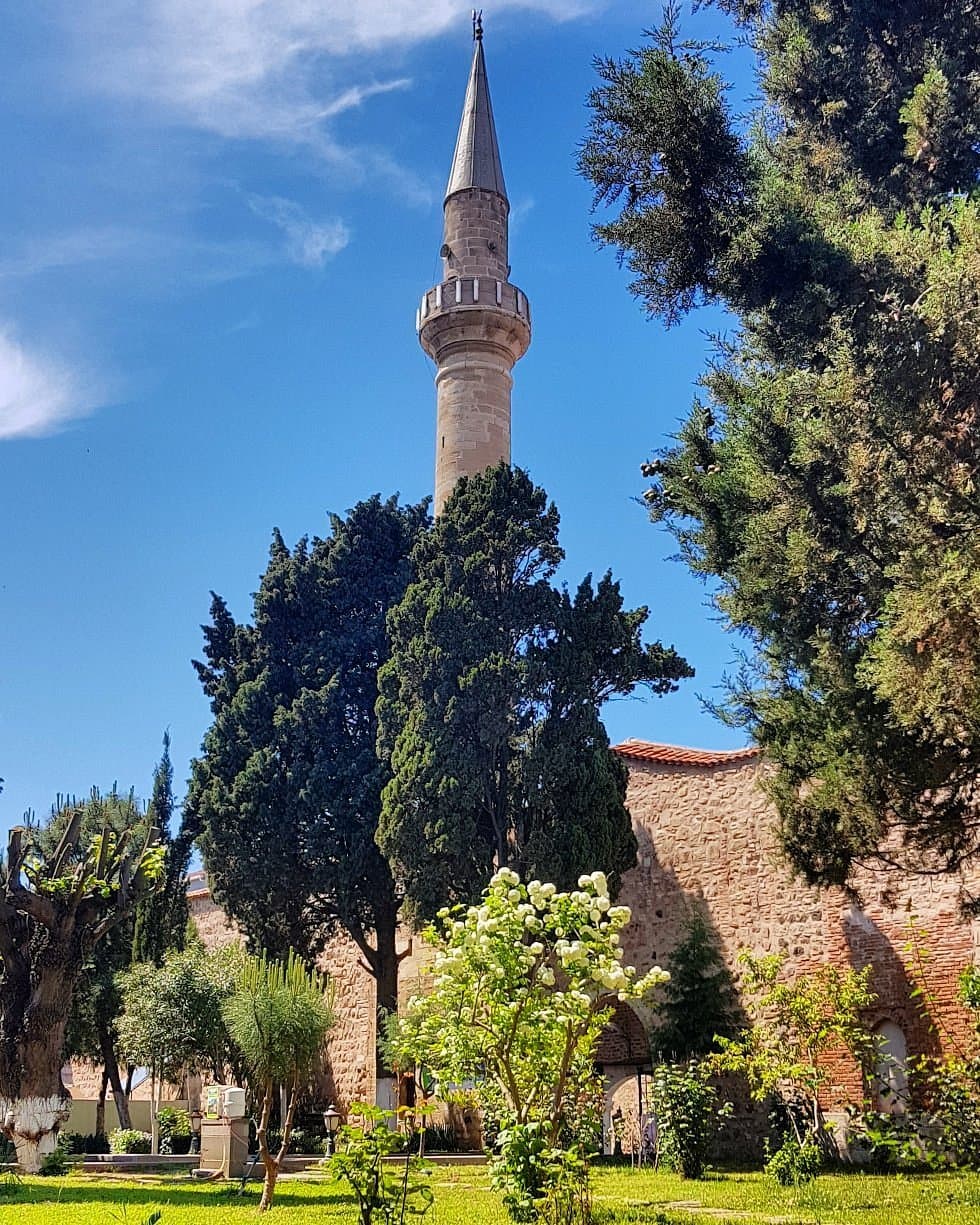
The Alaattin Mosque, or Alaattin Camii, is a significant historical mosque located in Sinop, Turkey. It stands as a testament to Seljuk architecture, having been built during the reign of Sultan Alaattin Keykubat. The mosque is particularly notable for its distinctive stonework, which showcases the craftsmanship of the Seljuk period, and the elegant integration of wood and stone elements throughout its structure.
Visitors consistently praise the mosque's artistic details, with several reviewers highlighting the "perfect harmony of wood and stone" and the quality of the "stonework made by the Seljuk people." The serene ambiance inside is also frequently mentioned, offering a quiet space for reflection amidst the city's bustle. While not a large complex, its historical and architectural value makes it a compelling site for those interested in the region's past.
To fully appreciate the architectural nuances, visitors should plan to spend about 30-60 minutes exploring the interior and exterior. It is best visited during daylight hours to observe the details of the stonework and the natural light filtering through the windows. As with any active place of worship, modest dress is recommended, and visitors should be mindful of prayer times. There are no specific items to bring, but a camera is often desired to capture the intricate designs.
The Alaattin Mosque is centrally located in Sinop, making it easily accessible on foot from most parts of the city center. Sinop itself is a compact city, and public transportation within the city is generally not necessary for reaching major attractions. If arriving by car, street parking might be available nearby, but it's advisable to check local regulations. The mosque's central position means it can be conveniently combined with visits to other historical sites in Sinop.
Common complaints are rare, given the mosque's primary function as a place of worship and historical monument. Some visitors might find it smaller than expected if anticipating a grand imperial mosque. To mitigate this, approach the visit with an appreciation for its historical context and architectural details rather than its sheer size.