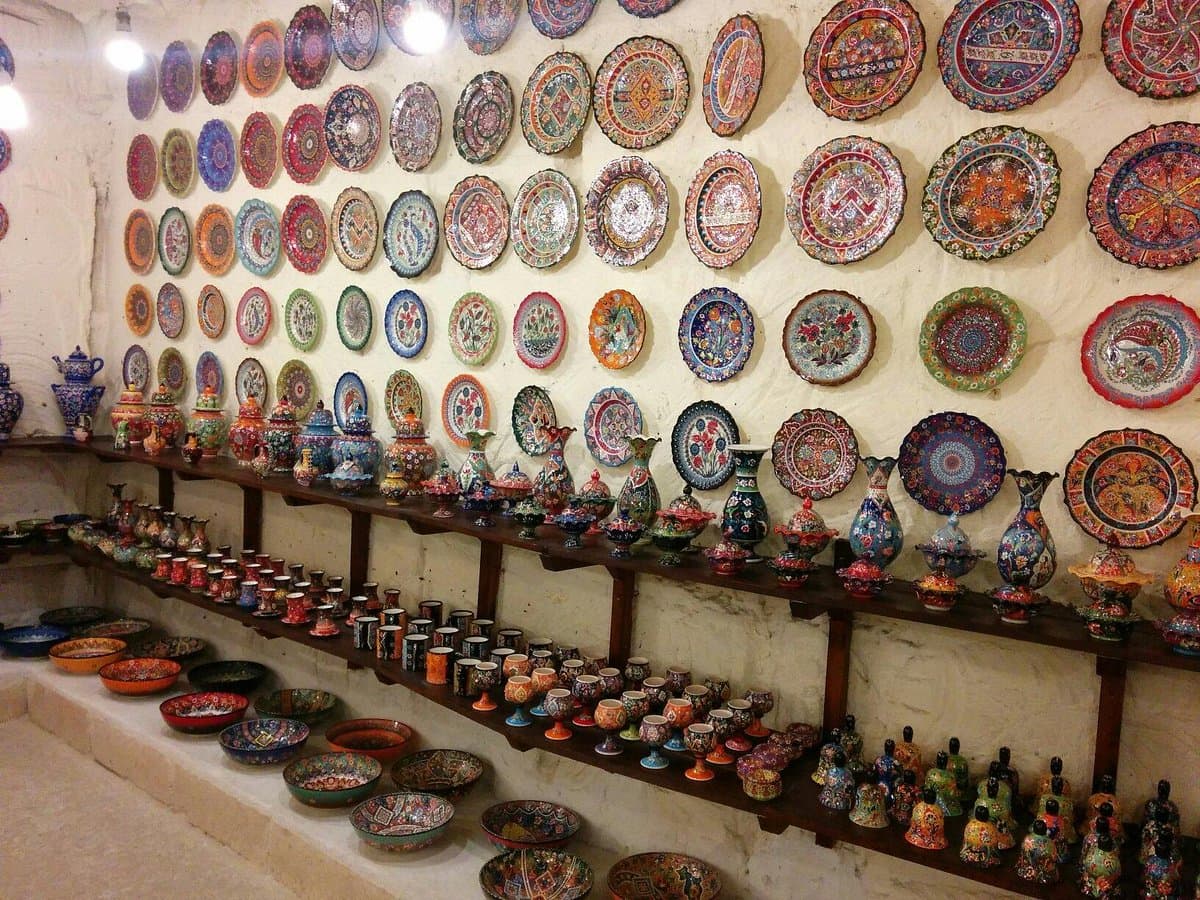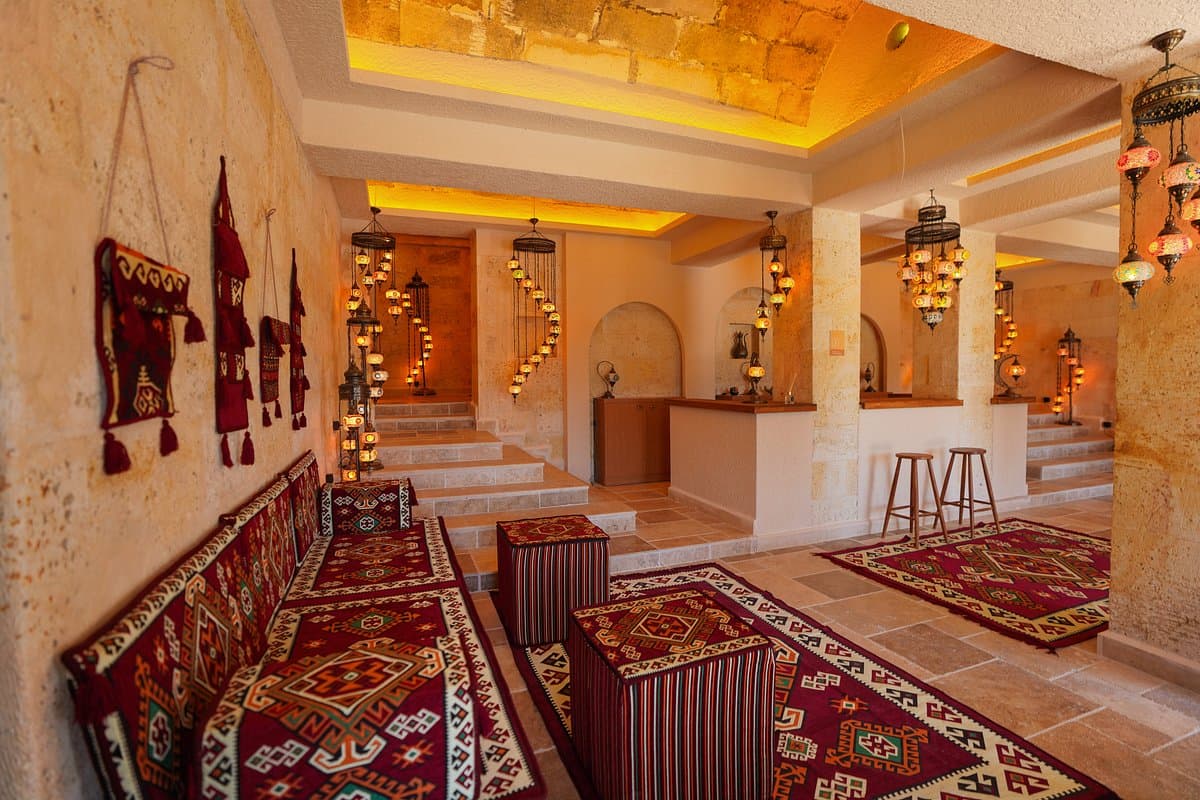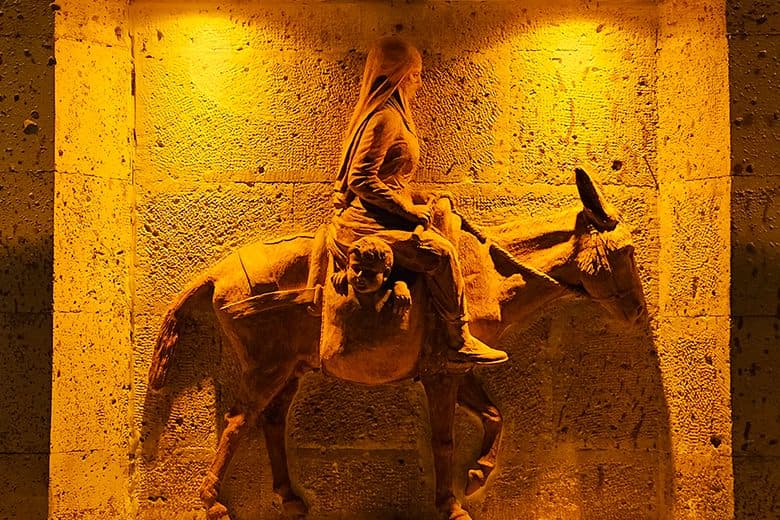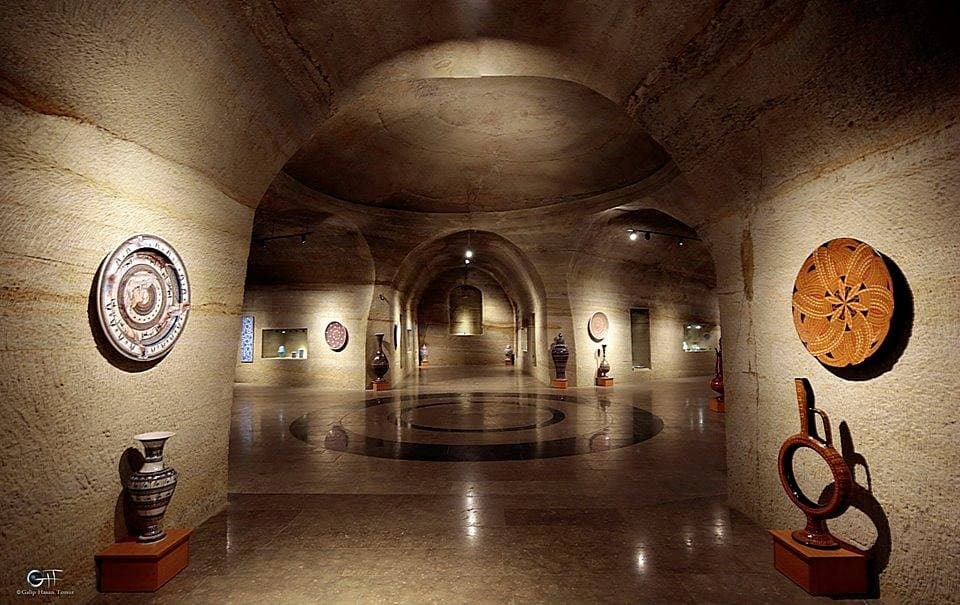
The Güray Museum, located in Avanos, stands out as the world's first and only underground ceramic museum. This privately owned institution, a passion project of the Güray family, showcases the rich history of pottery in Cappadocia, a tradition spanning millennia. The museum is ingeniously carved into the natural rock formations, creating an atmospheric and visually stunning backdrop for its extensive collection.
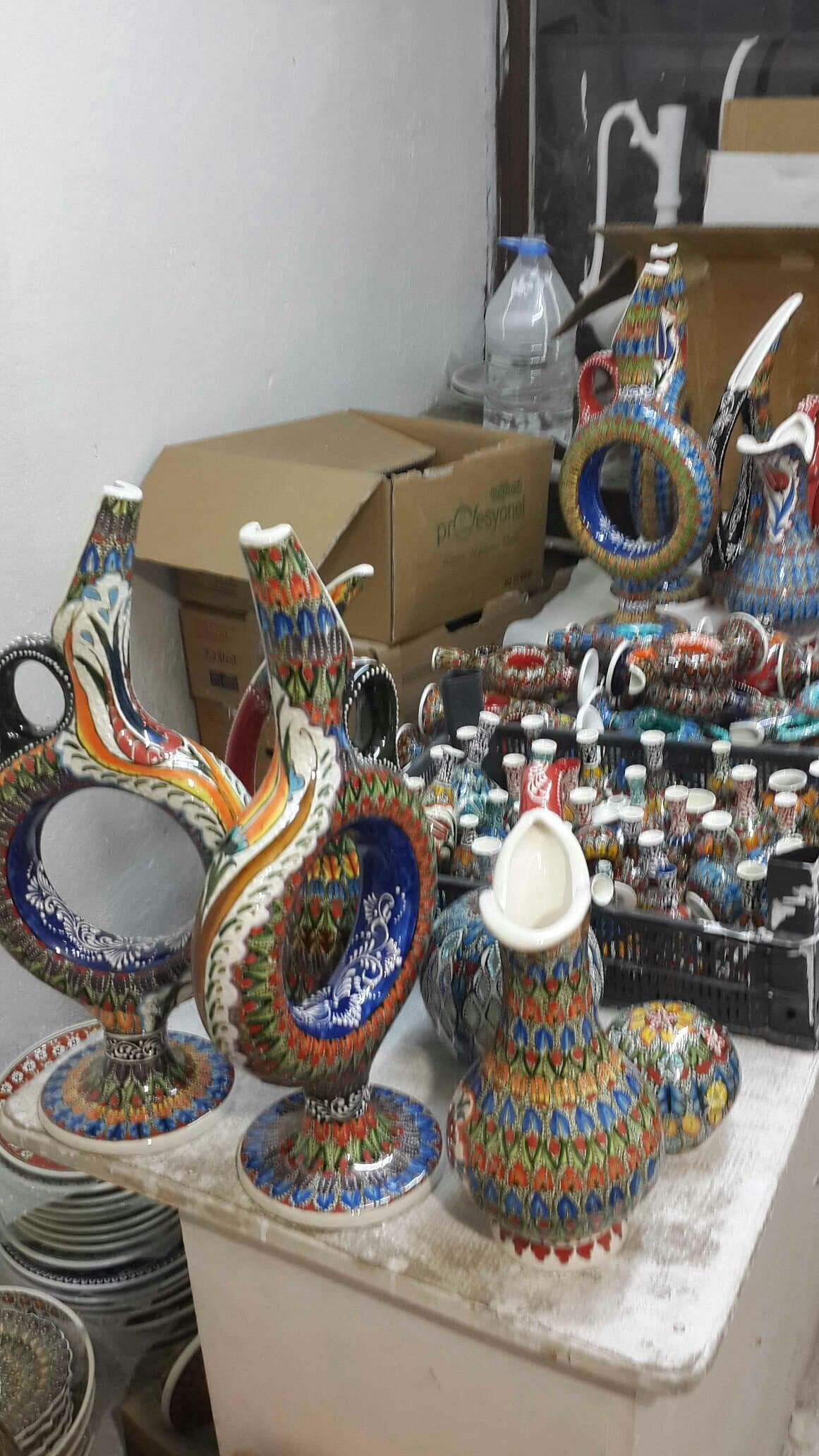
Visitors frequently commend the museum for its impressive display of ceramics, ranging from ancient artifacts dating back 8000 years to contemporary art pieces by local masters. Many reviewers highlight the unique experience of exploring the museum's tunnels and sections dedicated to historical and modern pottery. The opportunity to witness live pottery demonstrations, and even participate in workshops, is a consistent draw, with many finding it both educational and enjoyable. The staff are often described as polite, helpful, and knowledgeable, enhancing the overall visitor experience. Some visitors appreciate the cool temperatures inside the underground museum, especially during the hot Cappadocian summer.
To make the most of your visit, allocate approximately 1-2 hours. Reviewers suggest arriving earlier in the day to avoid potential crowds, especially if you're part of a tour group. While the museum features a large shop, visitors advise focusing on the unique, handmade pieces if you intend to purchase, as common ceramic items might be found at lower prices elsewhere. Some mention that the museum is wheelchair accessible, a rare and welcome feature in the region. Don't hesitate to try your hand at the pottery wheel; many found this a memorable part of their visit.
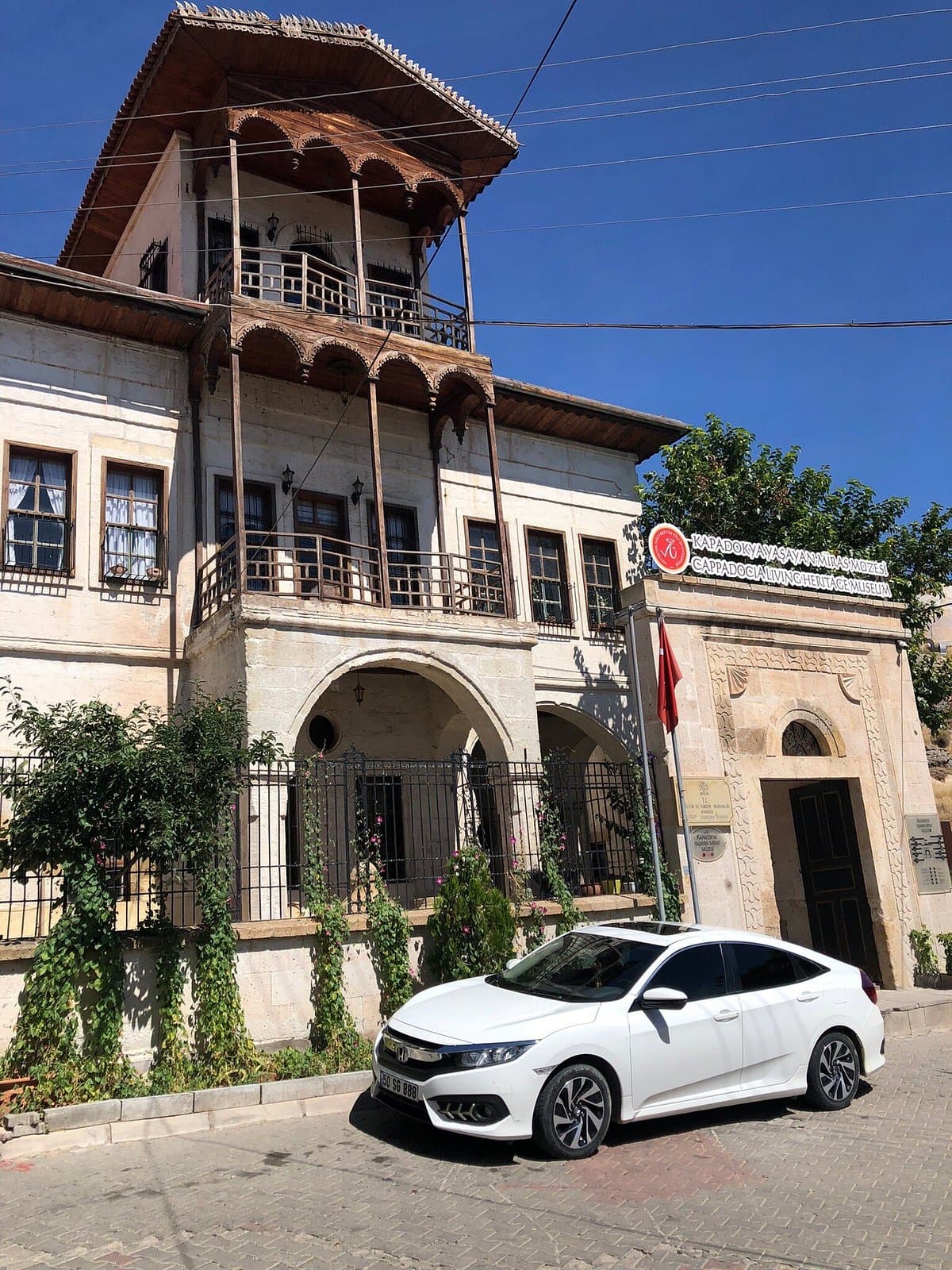
The museum is located on Dereyamanlı Cd in Avanos. If traveling by public transport, several reviewers mention taking a public bus from Göreme to Avanos, which takes about 15 minutes. From the market area in Avanos, the museum is approximately an 800-meter walk. Driving or taking a taxi is also a convenient option, and the museum's location in a residential area is noted by some, so keep an eye out for signage.
A common point of contention among visitors is the perceived commercial aspect, with some feeling the museum serves as a facade for a large gift shop. While the museum does have an extensive sales area, many reviewers found the quality of the museum exhibits and the workshop experience to outweigh this. To mitigate this, visitors recommend appreciating the museum for its artistic and historical value first, and then approaching the shop with a clear idea of what you might want to purchase, or simply enjoying the browsing without pressure. Some also noted that while some items in the shop can be expensive, bargaining might be possible for certain pieces.