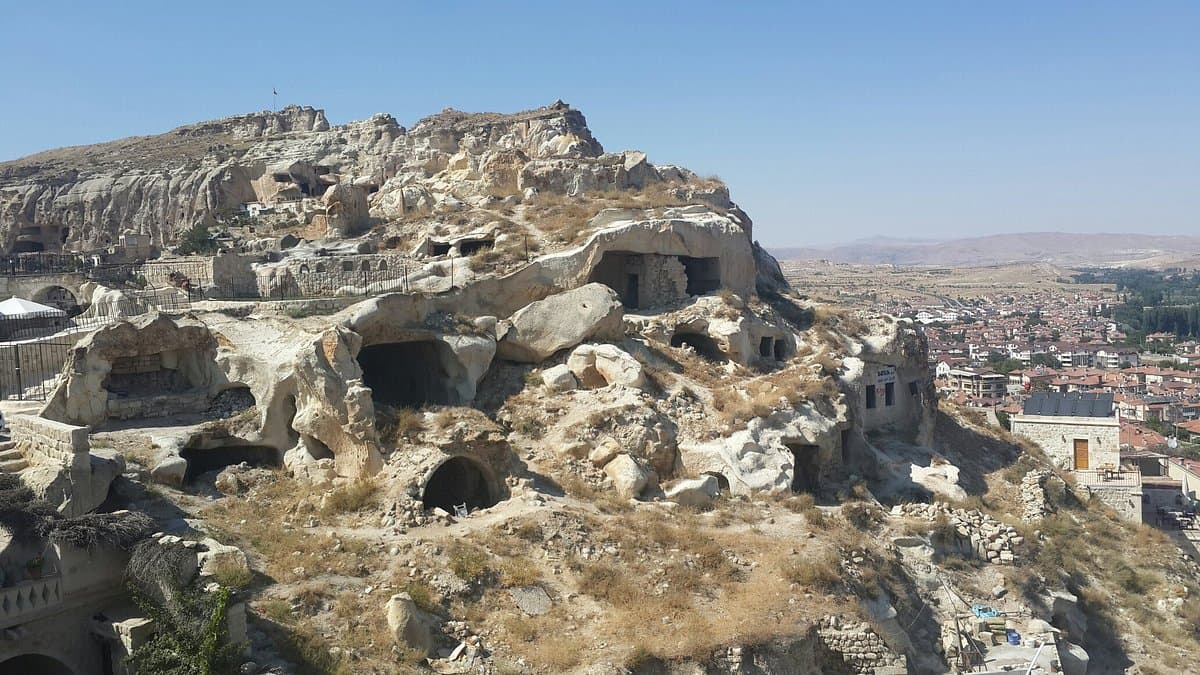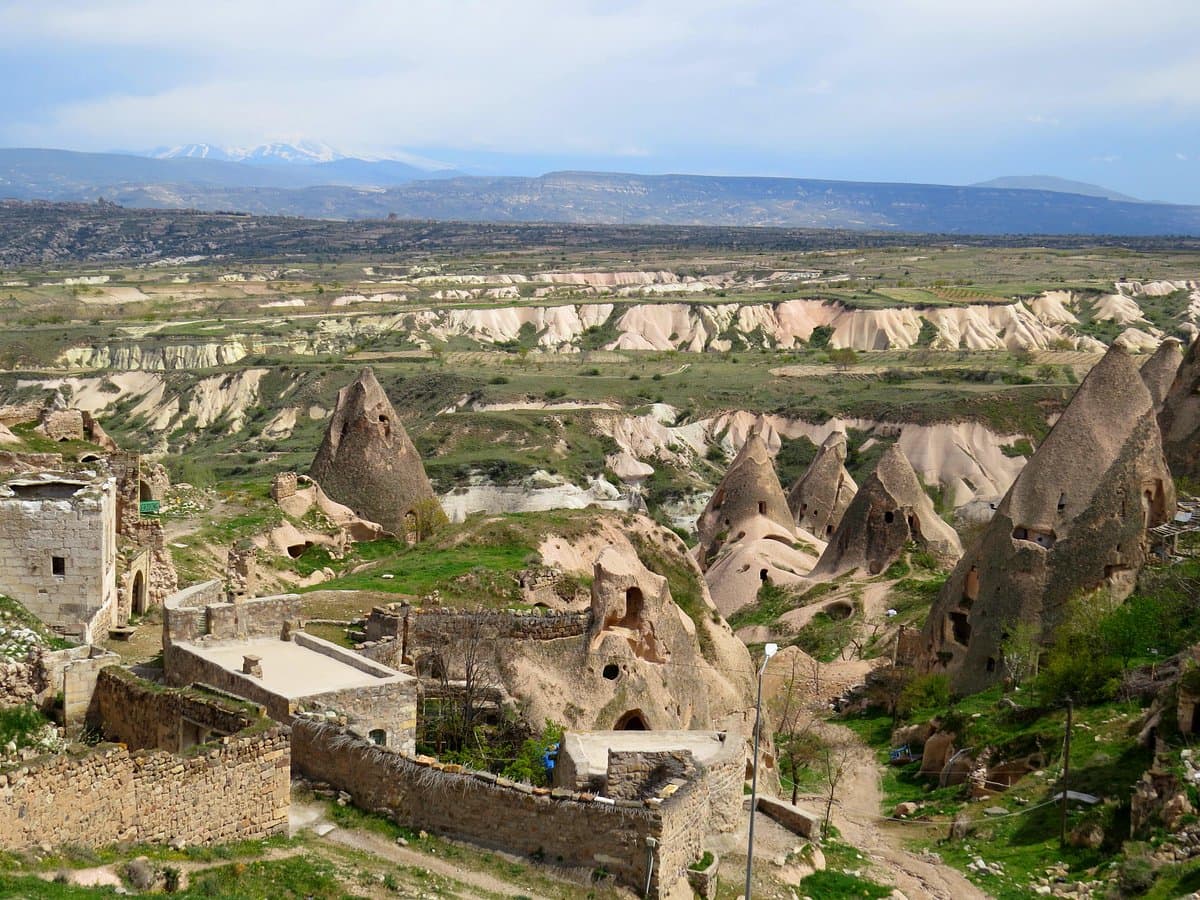
The Cappadocia Cave Dwellings are not just isolated structures but an expansive network of homes, churches, monasteries, and even entire underground cities carved directly into the region's distinctive 'fairy chimney' rock formations. These unique geological features, formed by volcanic ash and erosion, provided early inhabitants with soft, easily workable material that also offered natural insulation and protection. This millennia-old tradition of rock-cut architecture is a defining characteristic of Cappadocia, showcasing remarkable human adaptation and resilience.
Visitors consistently praise the awe-inspiring nature of these dwellings, often describing them as 'other-worldly' and a 'wonder of the world.' Many are fascinated by the sheer scale and complexity, with some reviewers noting the multi-level structures and intricate craftsmanship. The historical significance, particularly regarding early Christian communities seeking refuge, deeply resonates with many. Reviewers frequently highlight the unique experience of exploring these ancient spaces, whether it's walking through a former home, a church with preserved frescoes, or an extensive underground city. The opportunity to stay in a 'cave hotel' is also a popular and highly recommended experience, allowing for a deeper immersion into the region's heritage.
To make the most of your visit, wear comfortable, sturdy shoes with good grip, as many areas involve uneven steps, slippery slopes, and a lot of walking and climbing. Some passages can be tight, requiring bending or crouching, so visitors with mobility issues or claustrophobia should be aware, especially when exploring deeper levels of underground cities. Hydration is crucial, particularly during warmer months, as the climate can be very dry. Consider bringing a humidifier for your nose if you are sensitive to dry air. Many visitors recommend hiring a knowledgeable guide to fully appreciate the history and stories behind the sites, as this significantly enhances the experience. Allow at least half a day, or even a full day, to explore the various sites without feeling rushed.
The cave dwellings are spread throughout the Cappadocia region, with significant concentrations in towns like Göreme, Uçhisar, and Ürgüp. While many are accessible on foot within these towns, exploring the wider area and its numerous valleys often requires transportation. Many tour operators offer organized 'Red' and 'Green' tours that cover key sites and provide transport. For independent exploration, renting a car is a popular option, offering flexibility to stop at less commercialized caves. Public transport options between towns exist but can be less frequent. Taxis are also readily available. Parking is often available at major sites, sometimes for a fee.
A common complaint among visitors is the potential for crowds, especially at popular sites during peak season. To mitigate this, reviewers advise visiting early in the morning, ideally around 9:30 AM, to avoid large tour groups. Some also suggest visiting during the off-season for a more serene experience. While some commercialized sites charge entry fees, many smaller, dilapidated caves can be explored for free, offering a more authentic, less crowded experience for those willing to venture off the main tourist paths. Be aware that some areas, particularly in cave churches, prohibit photography to preserve delicate frescoes.