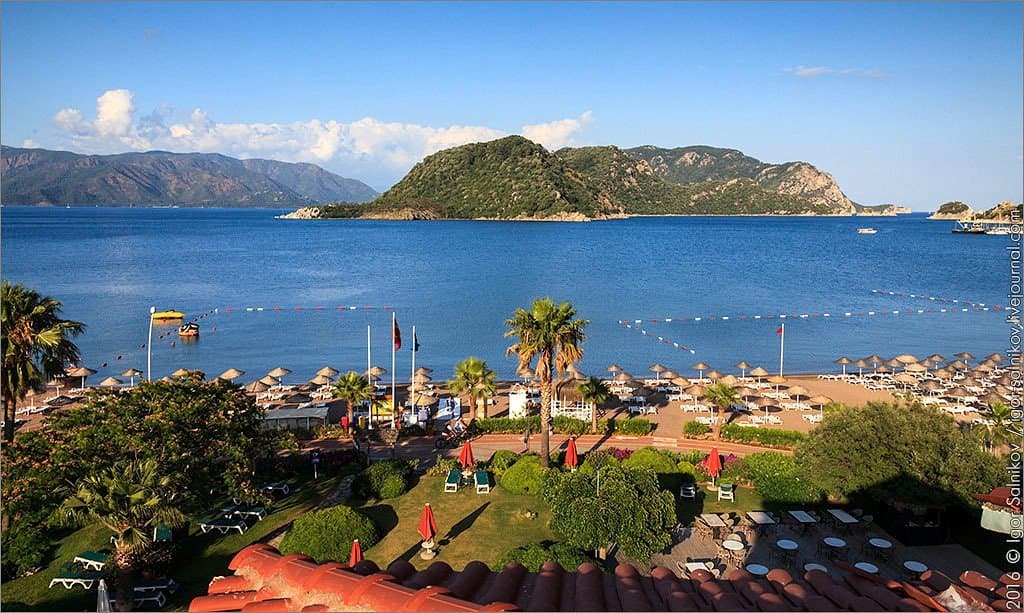
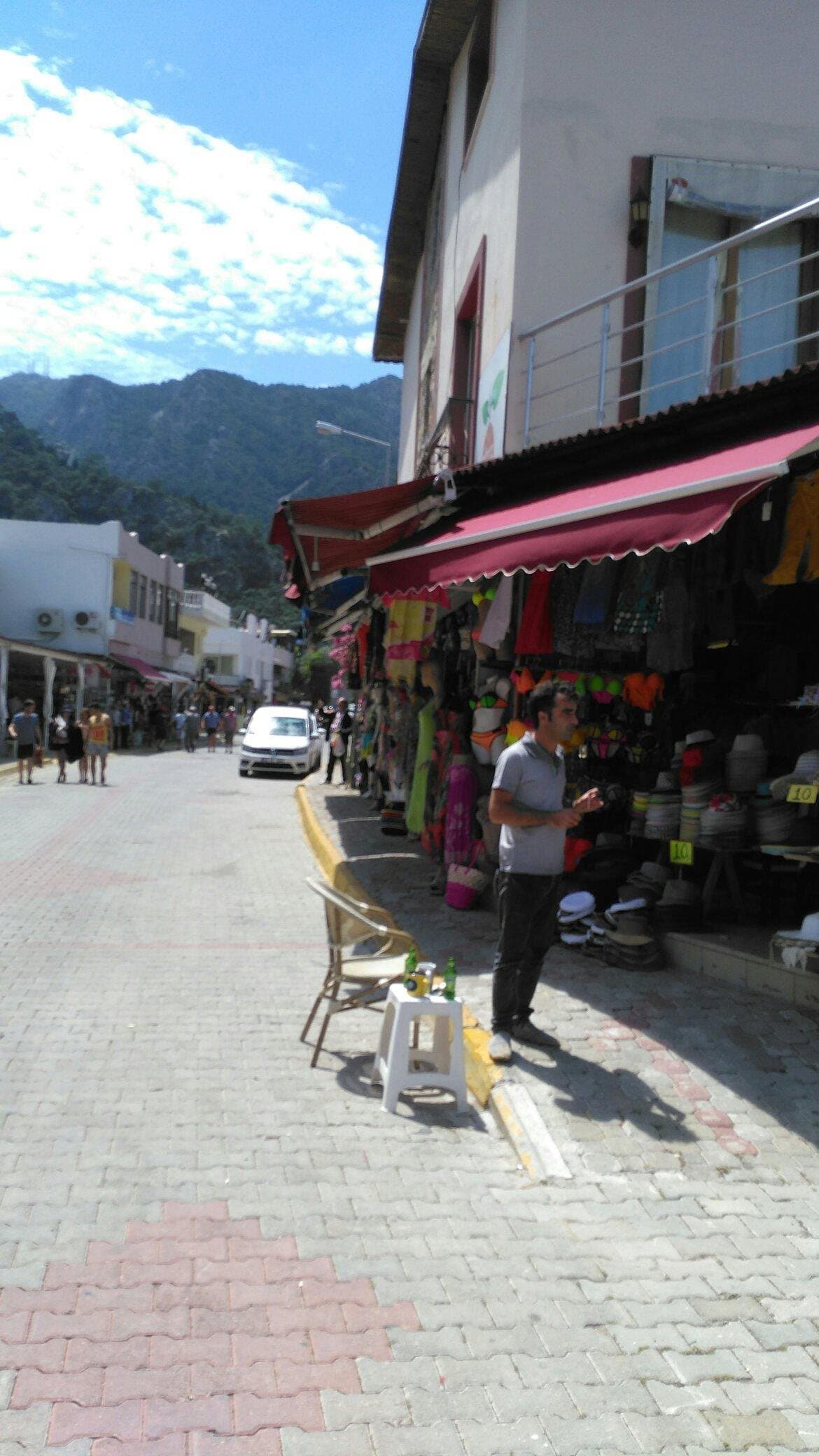
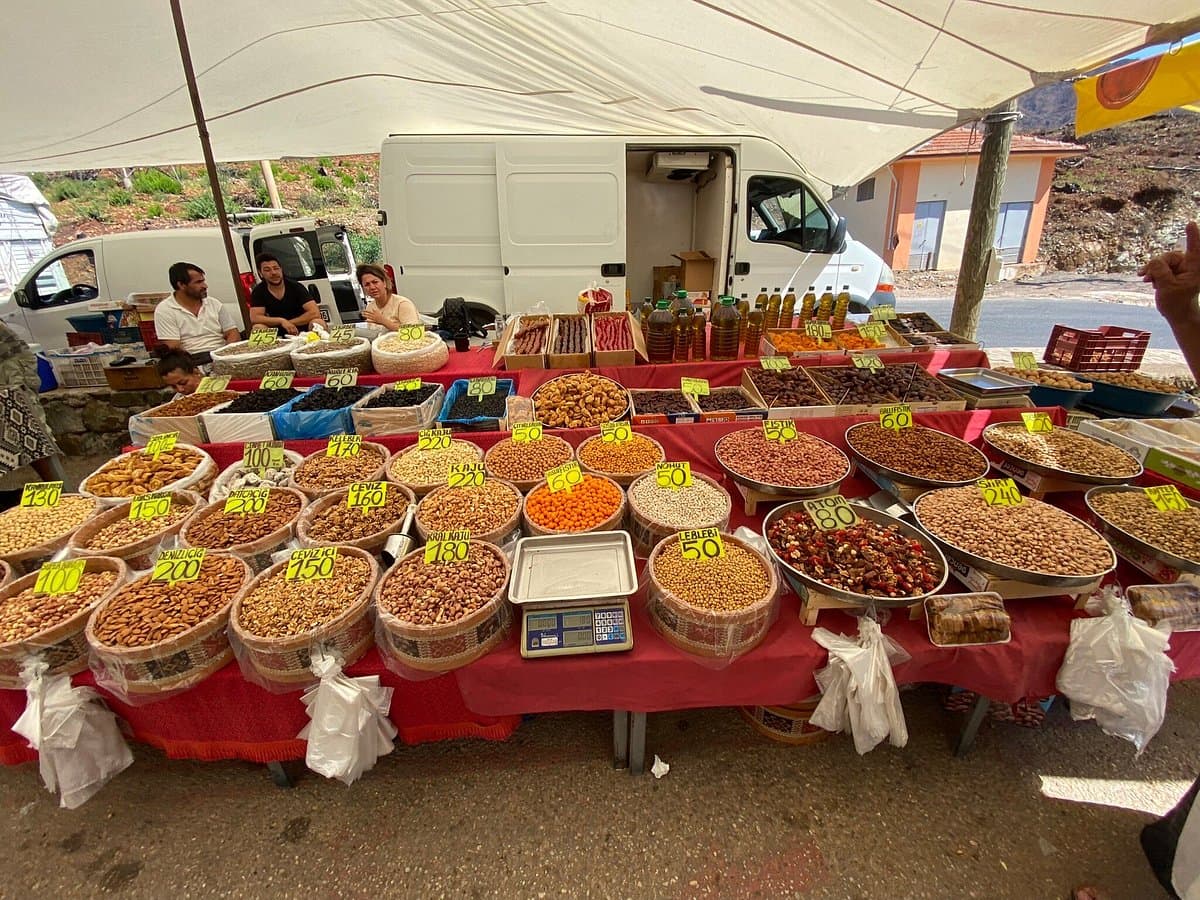
The Turunç Market, known locally as Turunç Pazarı, is a weekly market that brings a lively atmosphere to the small resort town of Turunç. It serves as a central hub for both locals and tourists, offering a diverse array of goods from fresh agricultural produce to various souvenir items. While not a grand bazaar, it provides a glimpse into local commerce and offers practical shopping opportunities.
Visitors consistently praise the market for its fresh produce, especially fruits like strawberries, local honey, and a wide selection of spices. Many enjoy the experience of haggling for items such as pashmina scarves, imitation handbags, shoes, and clothing, considering it part of the fun. Reviewers often highlight the opportunity to find unique local handicrafts, particularly cloth items. However, some visitors note that the prices for tourist goods might not be significantly lower than those found in larger towns like Marmaris, suggesting that the main appeal lies in the market experience itself rather than just bargain hunting.
To make the most of your visit, plan to arrive on a Monday, as this is the only day the market operates. Visitors recommend spending a couple of hours browsing, allowing ample time for haggling and perhaps enjoying a coffee or cold drink at one of the stalls near the entrance. It's advisable to bring cash, as not all vendors may accept cards. Don't be shy to bargain; it's an expected part of the shopping culture here. For those visiting towards the end of the season, be aware that fewer stalls might be open, potentially limiting the variety of goods available.
The market is conveniently located on 58. Sokak in Turunç. For those staying in nearby Içmeler, a popular way to reach Turunç is by taxi boat, which reviewers mention costs around 15 Lira per person each way. The market itself is approximately a 7-8 minute walk from the Turunç harbor, making it easily accessible upon arrival by boat. If driving, parking might be limited, especially on market day, so consider walking or using local transport if possible.
A common complaint, particularly towards the end of the tourist season, is the reduced number of stalls, sometimes leaving the market feeling sparse. To mitigate this, aim to visit during the peak season (typically May to September) for the fullest selection. Additionally, while haggling is encouraged, some visitors express that prices for certain items are not as cheap as expected. It's wise to have an idea of prices for similar goods in other areas to ensure you're getting a fair deal.