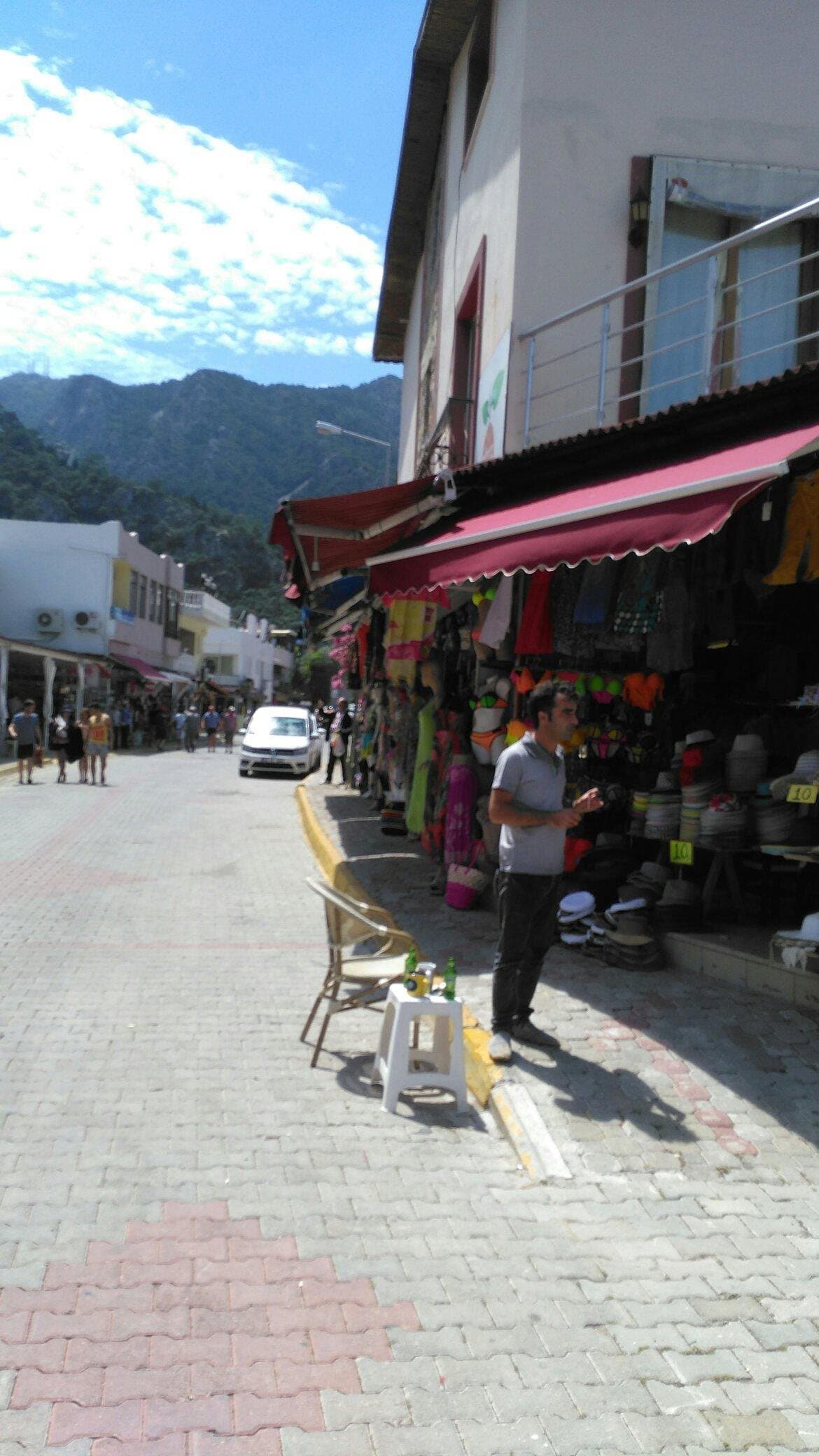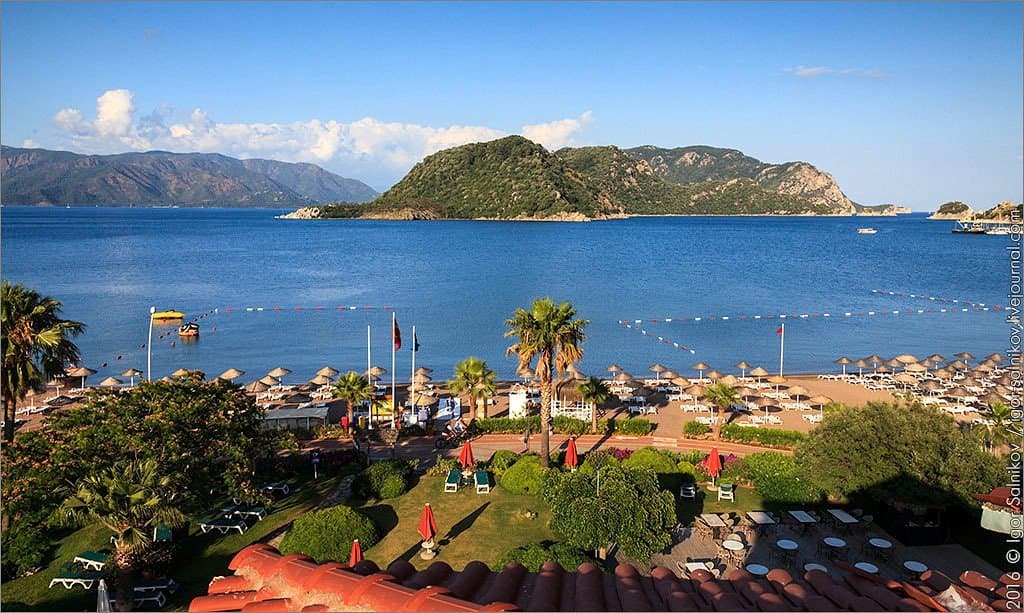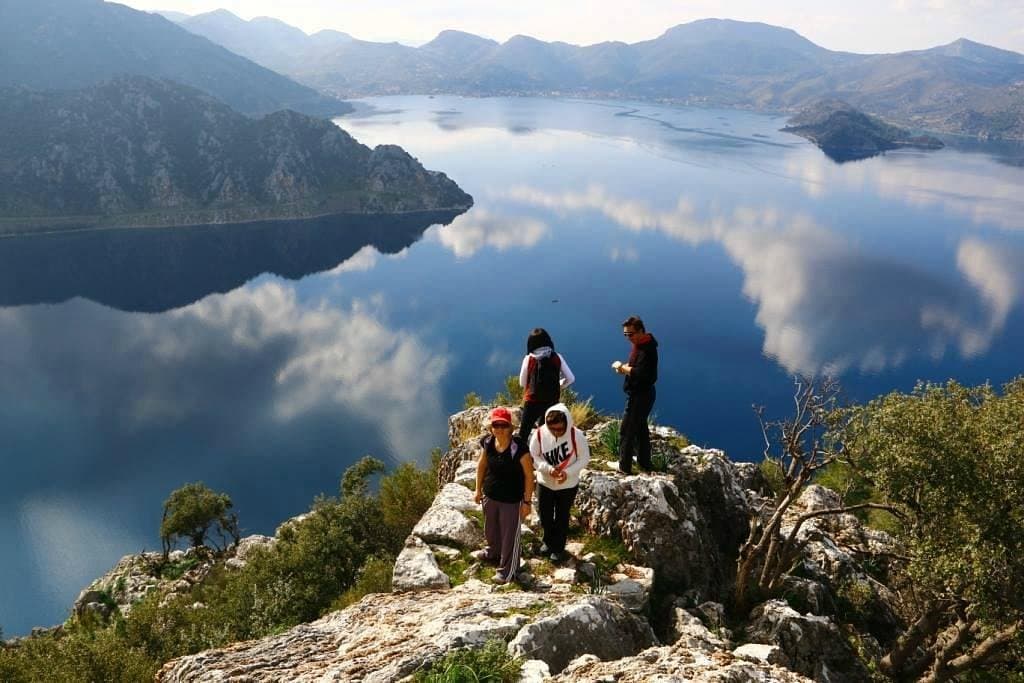
The Carian Trail is Turkey's longest coastal hiking route, stretching over 800 kilometers across the historical Caria region. It offers a unique blend of natural beauty, ancient history, and cultural immersion, guiding trekkers through olive groves, pine forests, secluded coves, and traditional villages, with remnants of the Carian civilization scattered along the way. Unlike the more frequented Lycian Way, the Carian Trail provides a more solitary and authentic experience, allowing hikers to connect deeply with the landscape and local life.
Visitors consistently highlight the trail's excellent marking system, often described as red and white dots, though they advise close attention as some branches can lead astray. The diverse scenery receives high praise, ranging from dramatic cliffs overlooking the Aegean Sea to lush green mountains and ancient Roman settlements. Many reviewers emphasize the rewarding nature of the strenuous sections, particularly those encountered during warmer months, and the hospitality of local hotel owners and villagers. The opportunity to encounter wildlife, such as tortoises, and enjoy crystal-clear waters is also frequently mentioned.
For practical advice, hikers strongly recommend downloading GPS points to a device before starting, as some sections can be overgrown or have waymarkers damaged by bulldozers. While the trail is generally well-marked, a reliable offline map and GPS are crucial for navigation. Reviewers suggest bringing plenty of water, especially during summer, and being prepared for varying terrain, from stony paths to deep forests. The best time to visit is typically spring (April-May) or autumn (September-October) to avoid extreme heat, though some have successfully hiked in winter with good weather. Spending 9 days or more allows for a comprehensive experience of different sections, such as the Bozburun Peninsula or the Akyaka to Bodrum route.
Given its remote nature, reaching specific trailheads often involves local buses (dolmuş) or taxis from larger towns like Mugla, Bodrum, or Marmaris. Some sections, particularly those along the coast, might be accessible by boat, with guides offering combined sailing and hiking tours. Parking is generally available in villages along the route, but long-term parking for multi-day hikes requires prior arrangement or using public transport to return to the starting point.
A common complaint, particularly from those attempting the trail in mid-summer, is the intense heat, which can make the strenuous sections very challenging. Reviewers also note that some areas have been affected by fires, altering the landscape. To mitigate these issues, plan your hike during cooler seasons, carry ample water, and consider hiring a local guide, especially for less-traveled sections. Be aware that while the trail is less crowded, this also means fewer amenities, so self-sufficiency and careful planning are essential.