The Institute of Nautical Archaeology (INA) is a world-renowned non-profit organization dedicated to the study and preservation of ancient shipwrecks and maritime heritage. Founded by Dr. George Bass, often considered the father of underwater archaeology, INA has conducted groundbreaking excavations off the coast of Turkey, significantly advancing our understanding of ancient trade routes and shipbuilding. While the INA itself is primarily a research and conservation facility, its conservation laboratory is housed within the Bodrum Museum of Underwater Archaeology, allowing visitors to see some of the artifacts and the results of their work.
Visitor experiences with the INA are highly varied, largely because it is not a public attraction in the traditional sense. Many reviewers mistakenly refer to the Bodrum Museum of Underwater Archaeology, located within Bodrum Castle, as the INA. These visitors consistently praise the museum's extensive collection of artifacts, including a reassembled Bronze Age shipwreck, amphorae, and ancient glass, highlighting the fascinating insights into maritime life and trade. They appreciate the quality of research and the historical significance of the finds. However, those who specifically tried to visit the INA's main facility often report finding it closed or being met with a sign stating, "This is not a museum," leading to confusion and disappointment.
For those interested in the INA's work, the best approach is to visit the Bodrum Museum of Underwater Archaeology. Allow 2-3 hours to fully explore the museum, especially if you enjoy history and archaeology. The museum is well-laid out, and visitors recommend following the map to ensure you don't miss any exhibits. It's a good option for a cooler or cloudy day, as much of it is indoors. If you are a diver or have a deep academic interest, you might attempt to contact INA directly for a pre-arranged tour, though this is not guaranteed and is generally reserved for specialists.
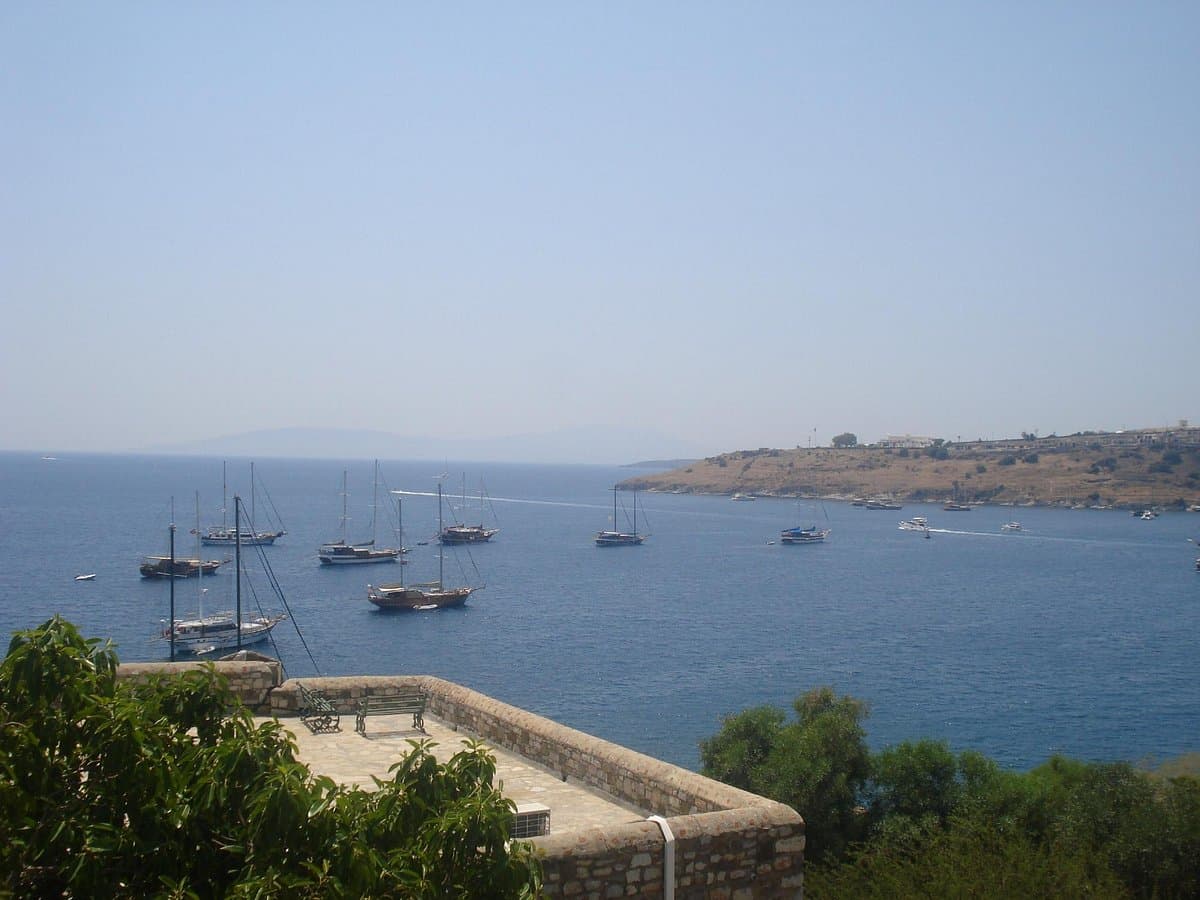
The Bodrum Museum of Underwater Archaeology, where INA's conservation lab is located, is situated within Bodrum Castle (Castle of St. Peter) right on the harbor. It's easily accessible by walking from most parts of Bodrum City. The castle itself is a prominent landmark. Public transport options within Bodrum are generally dolmuş (minibuses), which can drop you off near the harbor, a short walk from the castle entrance. Parking can be challenging in the immediate vicinity, so walking or taking a taxi is often recommended.
The primary complaint from visitors is the confusion regarding the INA's public accessibility. Many expect a dedicated museum and are disappointed to find a private research facility. To mitigate this, understand that the INA's public face is largely through its contributions to the Bodrum Museum of Underwater Archaeology. Focus your visit on the museum to see the incredible artifacts and learn about the pioneering work in nautical archaeology.