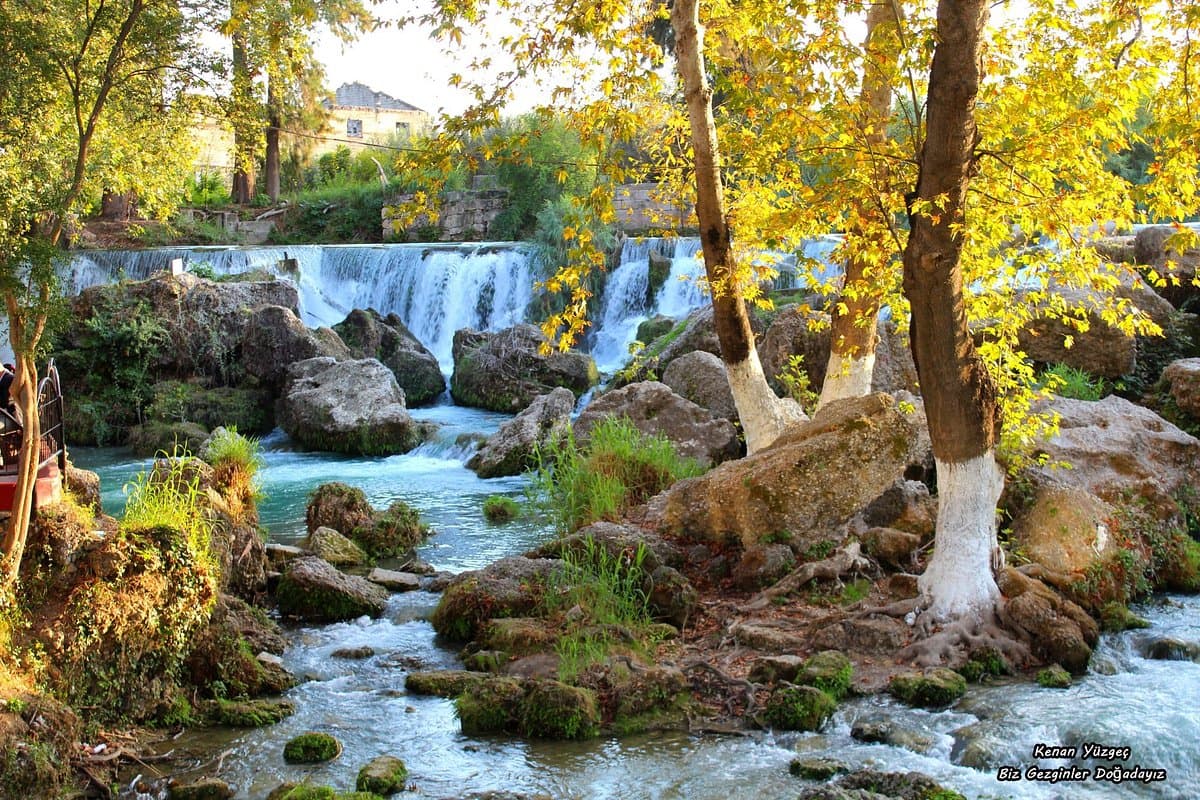
Tarsus Waterfall, locally known as Tarsus Şelalesi, is a unique natural and historical site formed by the diversion of the Berdan River in the 6th century to protect the city from floods. This intervention transformed what was once a necropolis into a flowing waterfall, making it a distinctive landmark in the region. It's not just a natural wonder but also a place steeped in local history, offering a glimpse into Tarsus's past.
Visitors consistently praise the waterfall as a pleasant spot to cool down and relax, especially during the hot summer months. Many enjoy the refreshing breeze and the sound of the falling water, finding it a peaceful retreat. The presence of restaurants and tea gardens right by the water is a major draw, allowing guests to enjoy traditional Tarsus cuisine like Fındık Lahmacun or simply have a cup of tea with a view. Reviewers frequently mention it as a great place for a meal or a relaxing break, with some noting it's a popular spot for wedding photos.
However, a recurring concern among visitors is the variable water flow, with many reporting a weak or scarce waterfall, particularly outside of peak seasons or due to dam water levels. This can lead to disappointment for those expecting a powerful cascade. Another common complaint relates to the cleanliness of the surrounding area, with some reviewers noting litter and a lack of maintenance. To make the most of your visit, aim for the summer months when the water flow is generally better and the cooling effect is most appreciated. Allocate 1-2 hours to enjoy the scenery and perhaps a meal. Consider visiting during weekdays to avoid crowds, as it can get very busy on weekends and holidays. Bring cash for the local eateries, as card payments might not always be available.
The Tarsus Waterfall is located north of Tarsus city, making it easily accessible. It's a short drive from the city center, and many visitors combine it with other historical sites in Tarsus. While specific public transport routes aren't frequently mentioned in reviews, local taxis or private vehicles are common ways to reach the site. There is no parking fee or entrance fee, which is a plus for budget-conscious travelers.
To mitigate potential disappointment regarding water flow, manage your expectations; it's often described as a mid-range waterfall rather than a grand spectacle. If you visit during a period of low water, focus on the tranquil atmosphere, the surrounding greenery, and the culinary experience at the riverside restaurants. Be prepared for crowds, especially on weekends, and don't hesitate to explore the nearby Taskuyu Caves if you're looking for an alternative natural attraction, as some reviewers suggest they are a better option when the waterfall is less impressive.