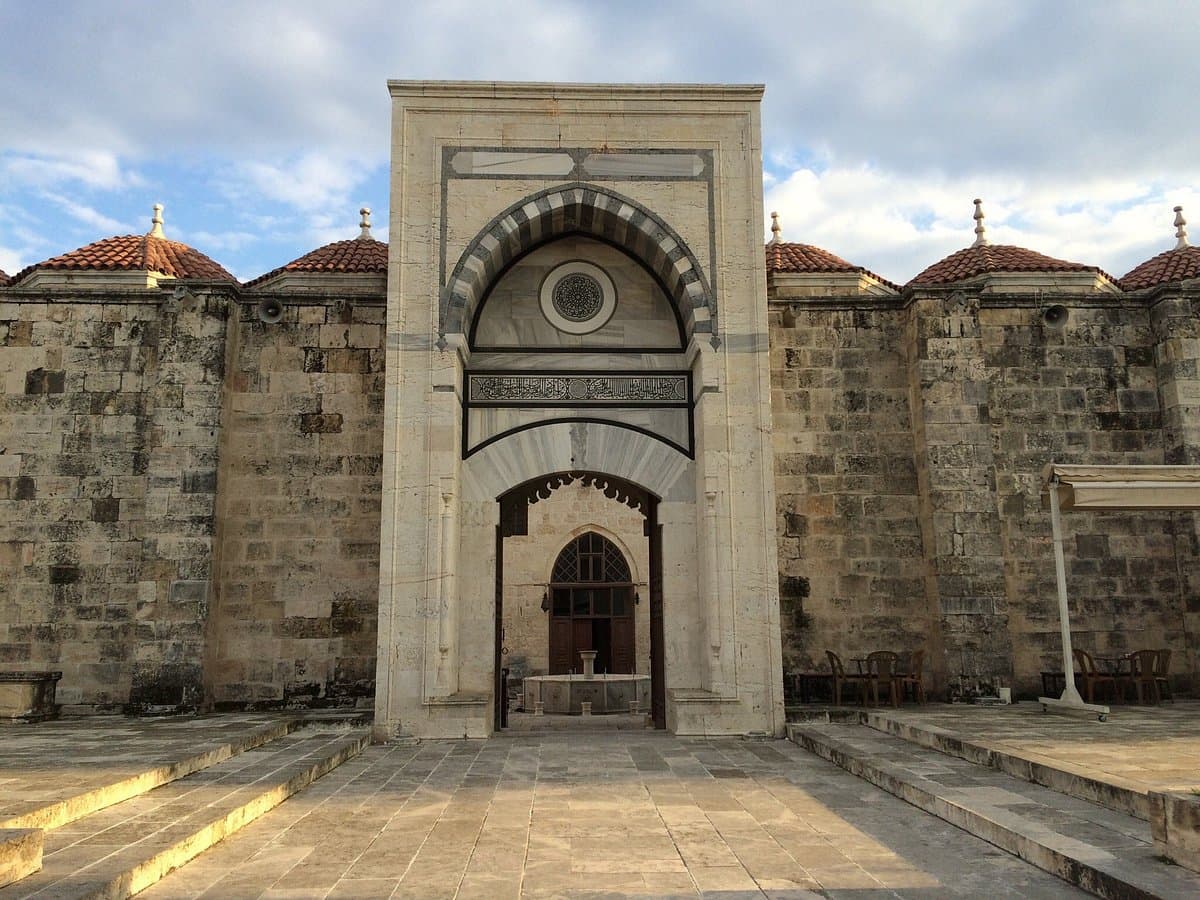
The Tarsus Grand Mosque, or Ulu Cami, is a prominent historical landmark in Tarsus, dating back to 1579. Built by İbrahim Bey, it stands on what is believed to be an older temple site, incorporating re-used ancient stones. This mosque is not only an architectural marvel showcasing typical Ottoman design with intricate calligraphy but also a spiritual hub, housing the tombs of significant figures like the Shia prophet and Lokman Doctor, making it a site of both historical and religious pilgrimage.
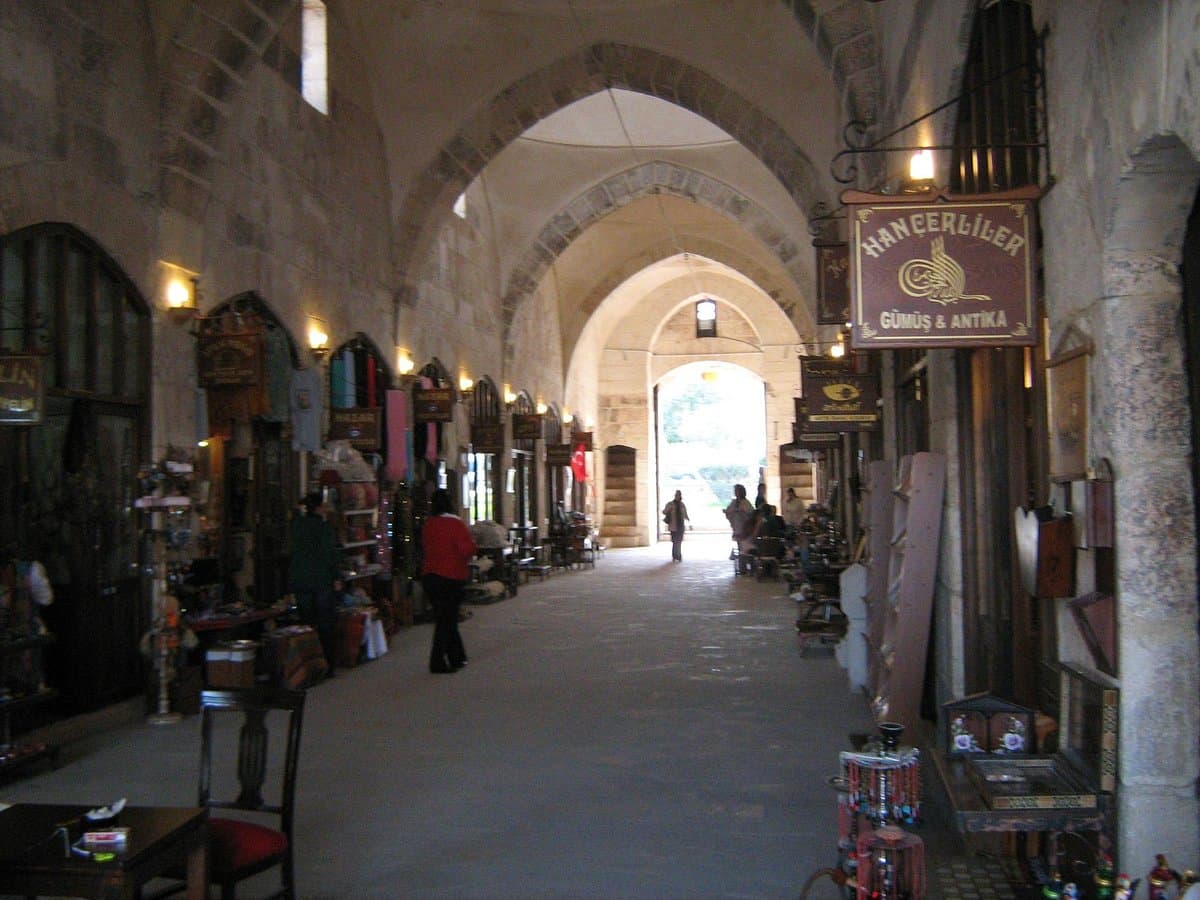
Visitors consistently praise the mosque's modest yet beautiful architecture, noting its elongated interior and the peaceful atmosphere. Many are fascinated by its unique features, such as the octagonal clock tower, which was originally one of two minarets damaged by lightning and converted in 1895. Reviewers highlight the blend of architectural styles, suggesting a careful look reveals features from its possible past as a cathedral. The surrounding area is also frequently mentioned, with a 16th-century covered bazaar, a hammam, and traditional coffee houses contributing to a vibrant local experience.
To make the most of your visit, allocate about 30 minutes to an hour to explore the mosque and its immediate surroundings. Dress modestly, and women should bring a headscarf to cover their heads, as this is required for entry. The mosque is particularly atmospheric during prayer times, though some female visitors have noted that the women's section may be closed on Fridays during busy periods. Consider visiting on a weekday to avoid potential crowds and ensure access to all areas.
The Tarsus Grand Mosque is centrally located in Tarsus, making it easily accessible. It's situated in the Camii Nur District, near the old town and close to the Kasıkcı Passage and the 40 Spoon Bazaar. Many visitors find it convenient to combine a visit to the mosque with exploring these nearby historical and commercial areas on foot. Its central position means it's well-integrated into the city's public transport network, though specific bus or train lines are not frequently mentioned in reviews, implying it's often reached by walking from other central points.
A common complaint, particularly from female visitors, is the occasional closure of the women's prayer section during busy Friday prayers. To mitigate this, it's advisable to visit on a different day of the week if your primary interest is to pray or explore the women's section. For general sightseeing, any other day should be fine. Some visitors also note the presence of a small market selling trinkets right by the entrance, which might be seen as a minor distraction but also offers local souvenirs.