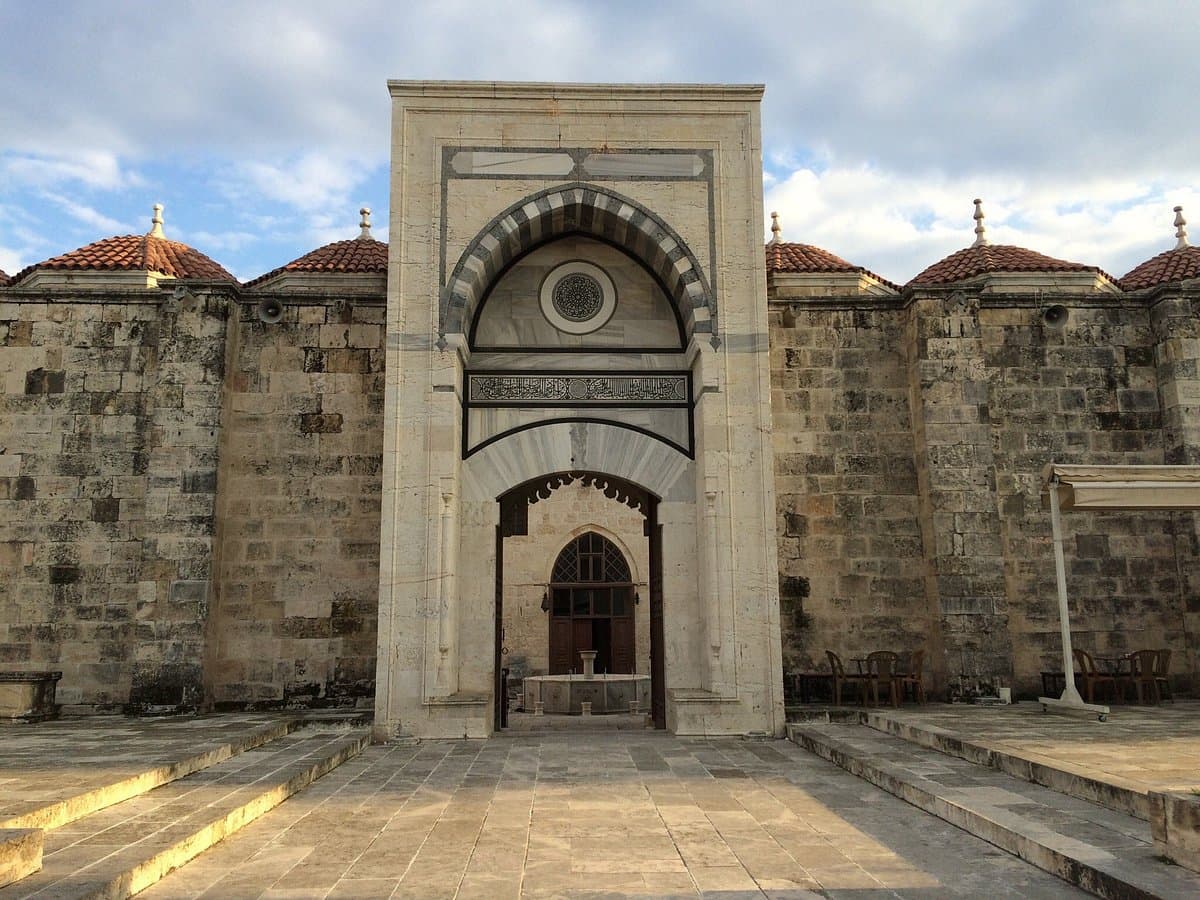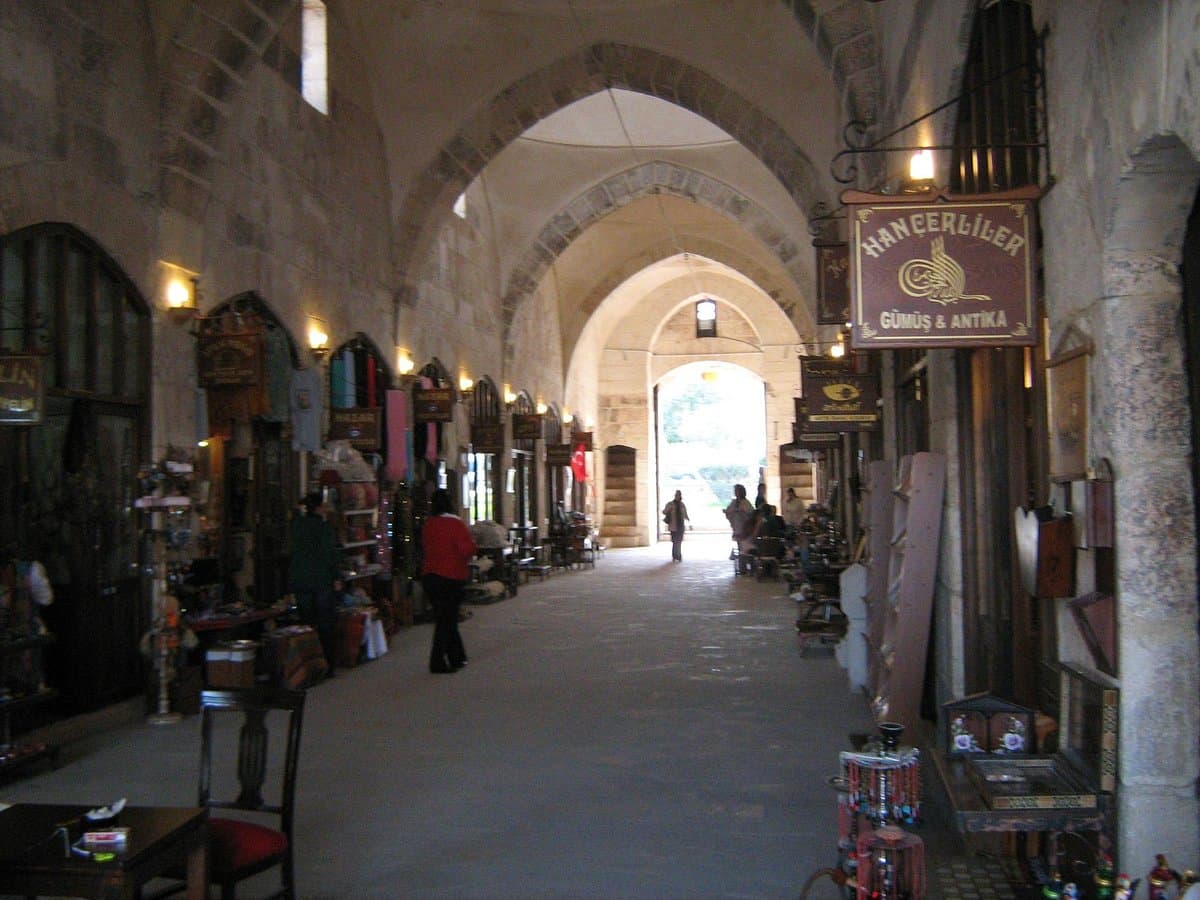
The Kirkkasik Bedesteni, or Kirkkasik Covered Bazaar, is a historical gem in Tarsus, dating back to 1579. Originally built by Ibrahim Bey of Ramazanogullari as a soup kitchen (imaret) for the poor, it was later converted into a covered market. Its name, meaning 'forty spoons', is said to derive from spoon figures adorning its façades. Today, it stands as a beautifully restored example of Ottoman architecture, offering a glimpse into the city's rich past.
Visitors consistently praise the bedesten for its authentic atmosphere and well-preserved structure. Many reviewers highlight the opportunity to purchase unique, handmade souvenirs and local products, often noting the friendly and welcoming nature of the vendors, particularly the local women who run many of the shops. Unlike some other bazaars, visitors find the shopping experience here to be more relaxed, with less aggressive haggling. The bazaar also provides a pleasant spot to cool off from the Tarsus heat and enjoy a Turkish coffee or a local drink, such as those linked to Cleopatra, in one of the small cafes.
To make the most of your visit, allocate about 30 minutes to an hour to browse the shops and soak in the atmosphere. Reviewers suggest visiting during the day when all shops are open. While haggling is generally part of the bazaar experience in Turkey, some visitors note that it's less necessary here due to the fair pricing and the nature of the goods. Consider bringing small denominations of local currency for easier transactions. The bedesten is a great place to find gifts for family and friends, with items ranging from ceramics and handicrafts to traditional tastes.
The Kirkkasik Bedesteni is conveniently located in the old part of Tarsus, nestled between the historic Ulu Cami (Grand Mosque) and the Daniel Prophet Mosque. This central location makes it easily accessible on foot if you are already exploring the historical core of the city. While specific public transport details are not frequently mentioned in reviews, its proximity to major landmarks suggests it's well within walking distance from central Tarsus areas. Parking might be challenging directly adjacent to the bazaar due to its historical, narrow street setting, so walking is generally recommended.
A common sentiment among visitors is that while charming, the bedesten is quite small, with some finding there isn't 'much to see' beyond the shops themselves. To mitigate this, approach your visit with the expectation of a pleasant, brief shopping and cultural experience rather than a large-scale historical site. Focus on the architectural details, the unique local products, and the chance to interact with local vendors to fully appreciate its charm.