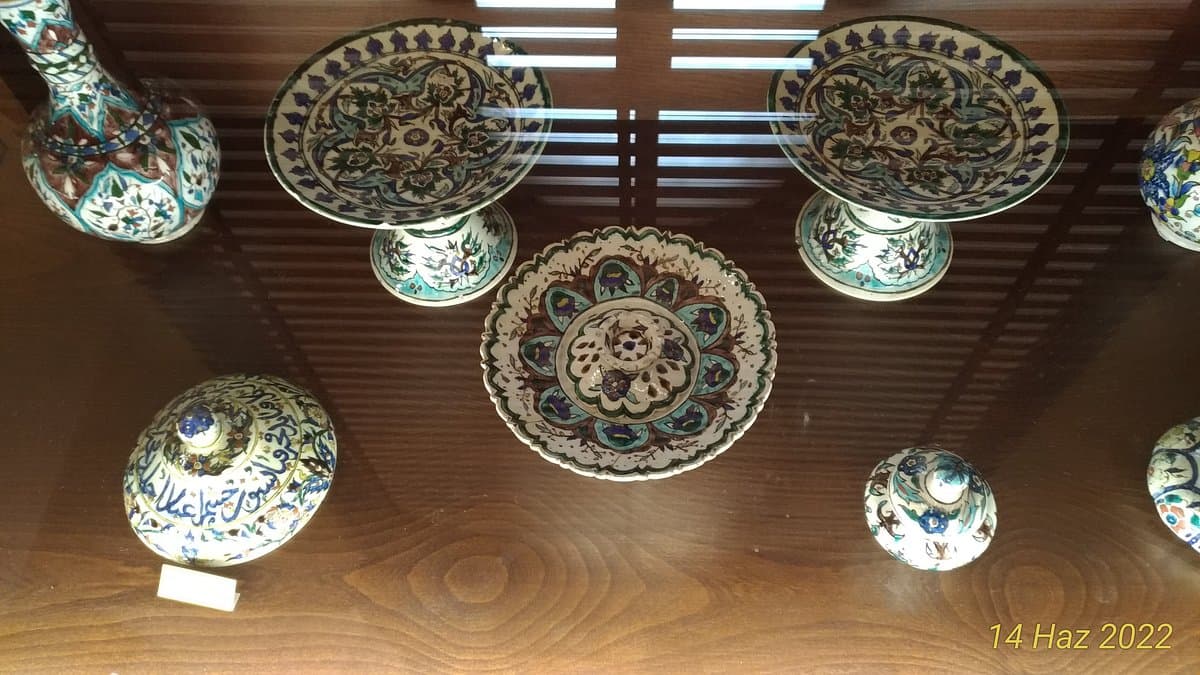
The Kütahya Ceramics Museum, locally known as Çini Müzesi, is dedicated to preserving and exhibiting the city's renowned ceramic and tile-making heritage. Kütahya has been a significant center for ceramic production for centuries, and this museum provides a window into this important local industry, showcasing both historical and contemporary examples of its artistry.
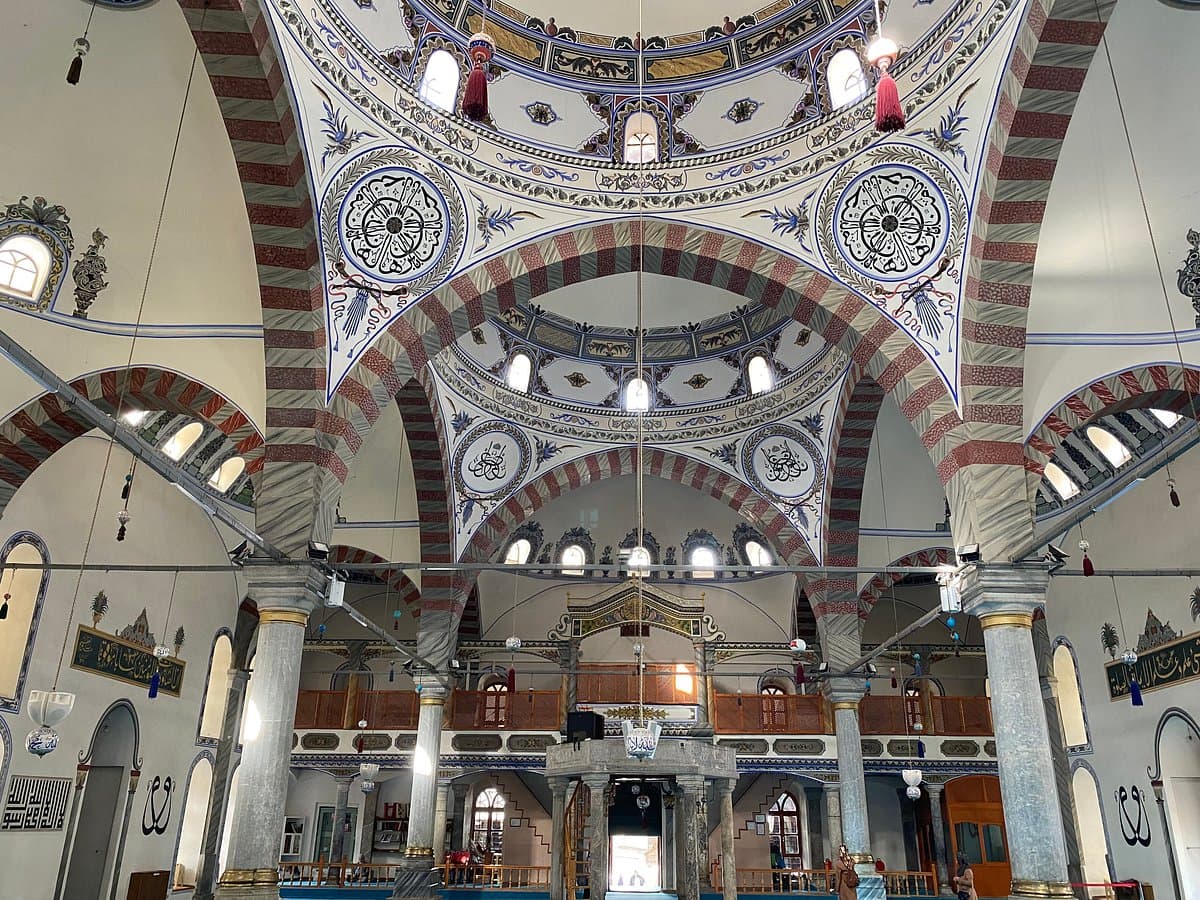
Visitors consistently praise the museum for the high quality and aesthetic appeal of its exhibits, which include a variety of plates, vases, and tiles. Many reviewers highlight the presence of works by notable artists like Mehmet Gürsoy, who practices the ancient art of Iznik ceramics. While some visitors find the collection to be small, they generally agree that the pieces on display are of significant interest and craftsmanship. The museum's location within an imposing, beautiful building is also frequently mentioned, adding to the overall experience.
For a fulfilling visit, allocate about 15-30 minutes, as the museum is relatively small. Many visitors recommend combining a visit here with the nearby Ulu Mosque or the Archaeological Museum, which are within easy walking distance. If you possess a museum pass, entry is free; otherwise, several reviewers note that admission is either free or very inexpensive. The museum also features a small shop where you can purchase ceramic items, and some visitors appreciated the lack of sales pressure.
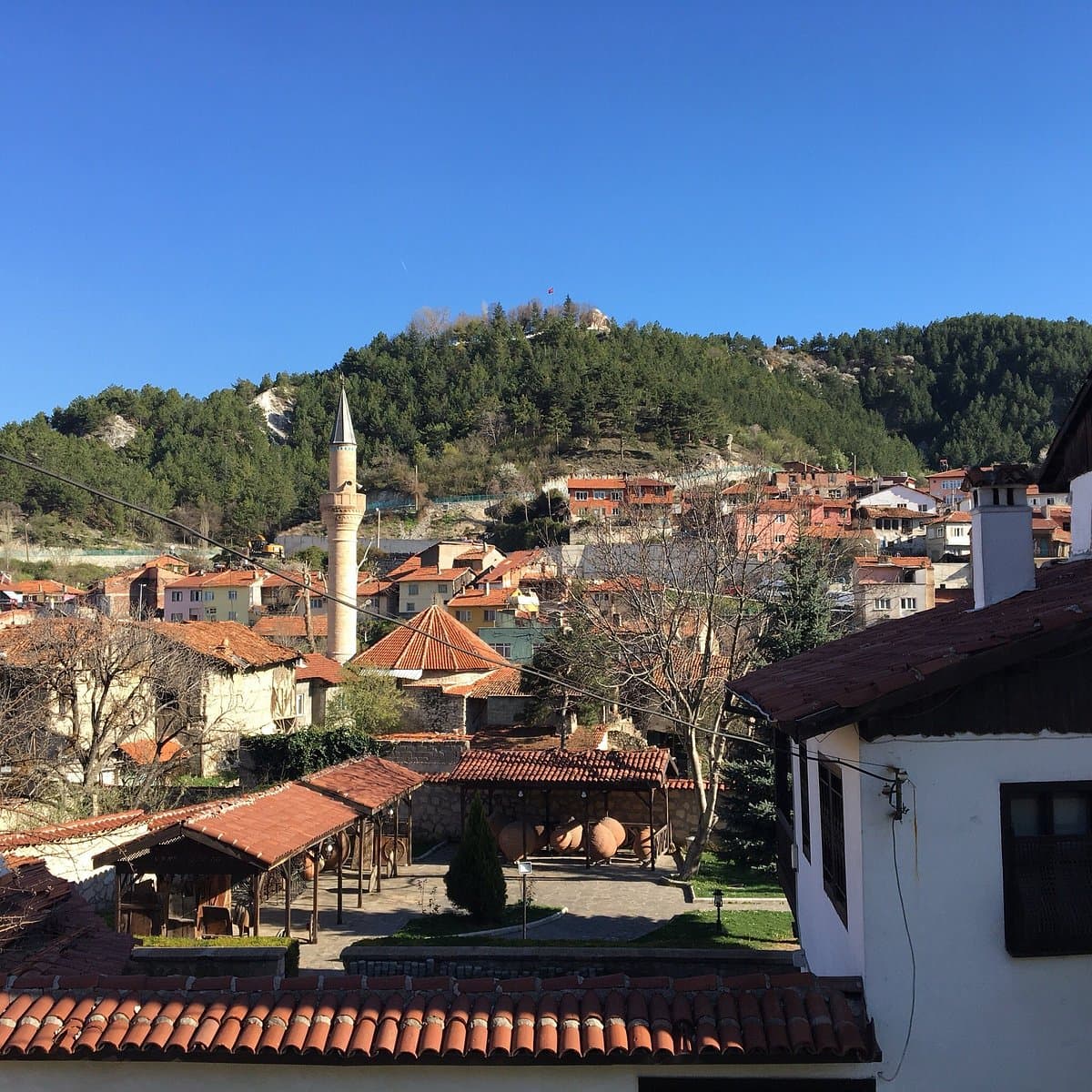
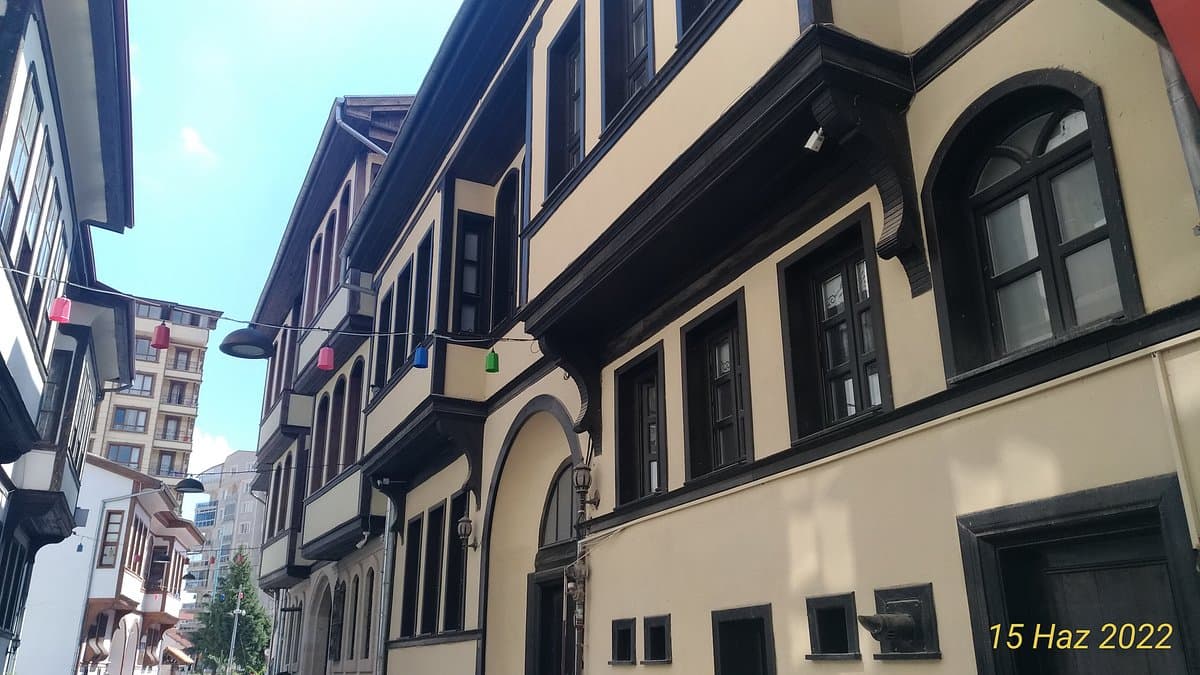
The museum is centrally located in Kütahya, right next to the Ulu Cami (Great Mosque), specifically on its right-hand side. It is also very close to other historical sites like the Germiyan mansions and the Majar mansion, making it easily accessible on foot if you are exploring the city center. Public transport options within Kütahya would likely drop you within walking distance of the Ulu Mosque complex.
A common sentiment among some visitors is that the museum is smaller than expected, with a limited number of exhibits. To mitigate this, manage your expectations regarding its size and focus on appreciating the quality of the individual pieces rather than the sheer volume. Consider it a complementary stop to other attractions in the area rather than a standalone destination requiring a long visit.