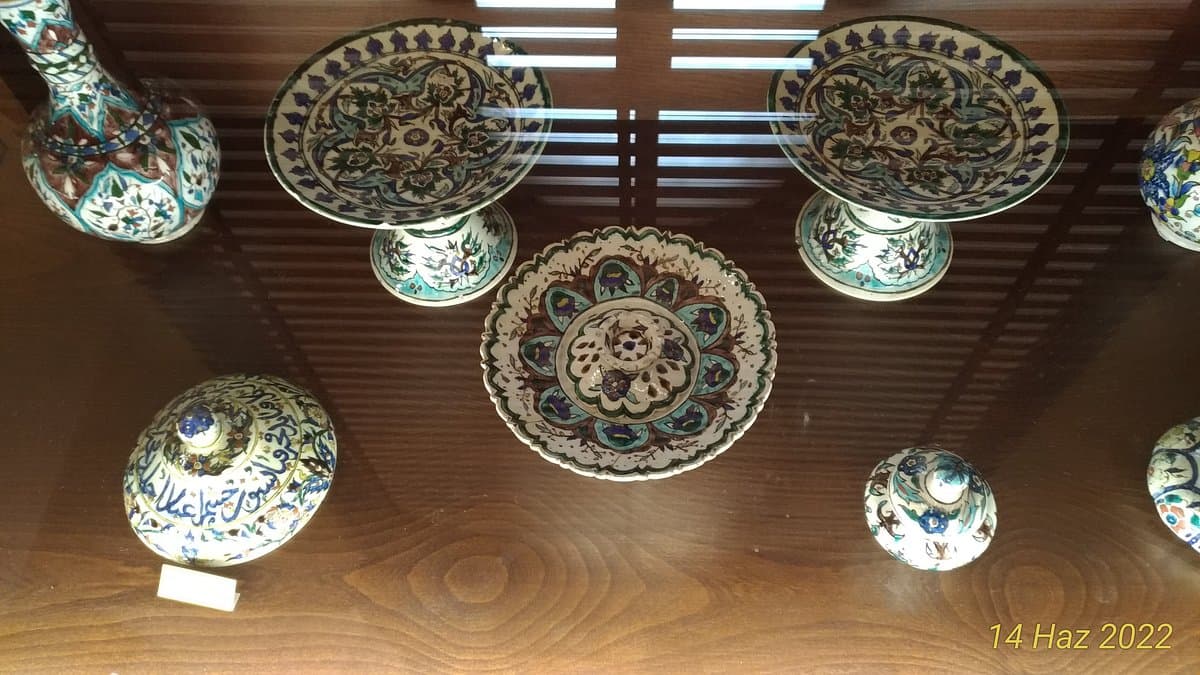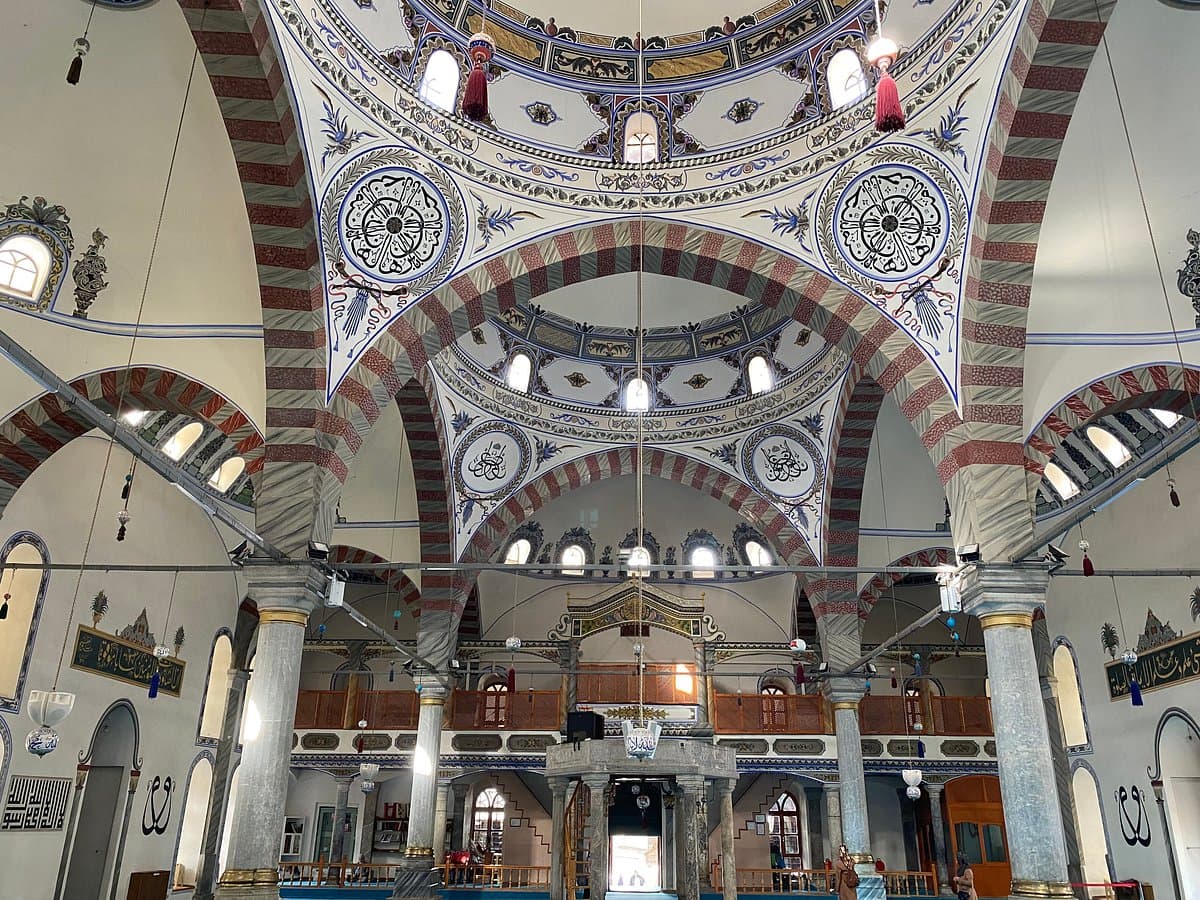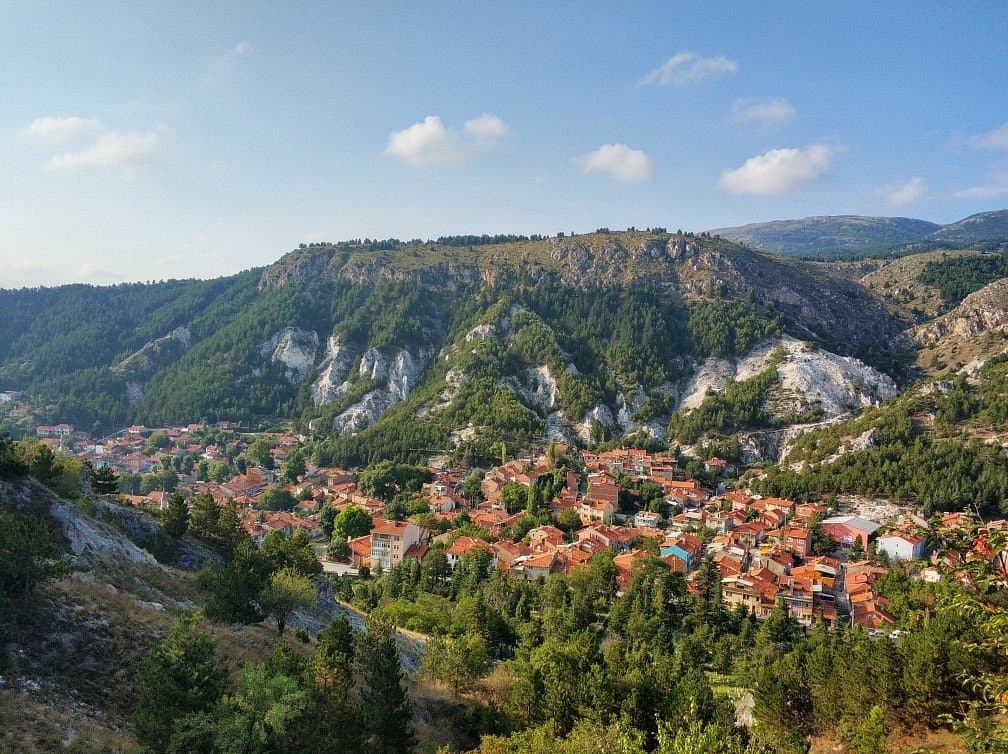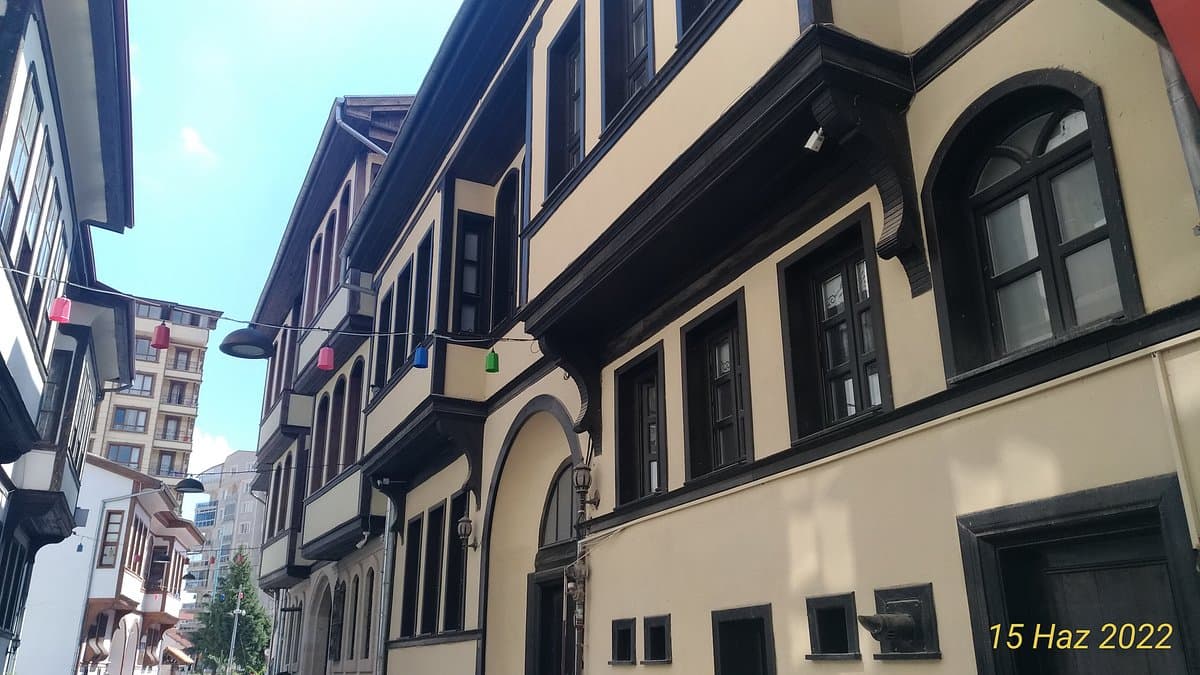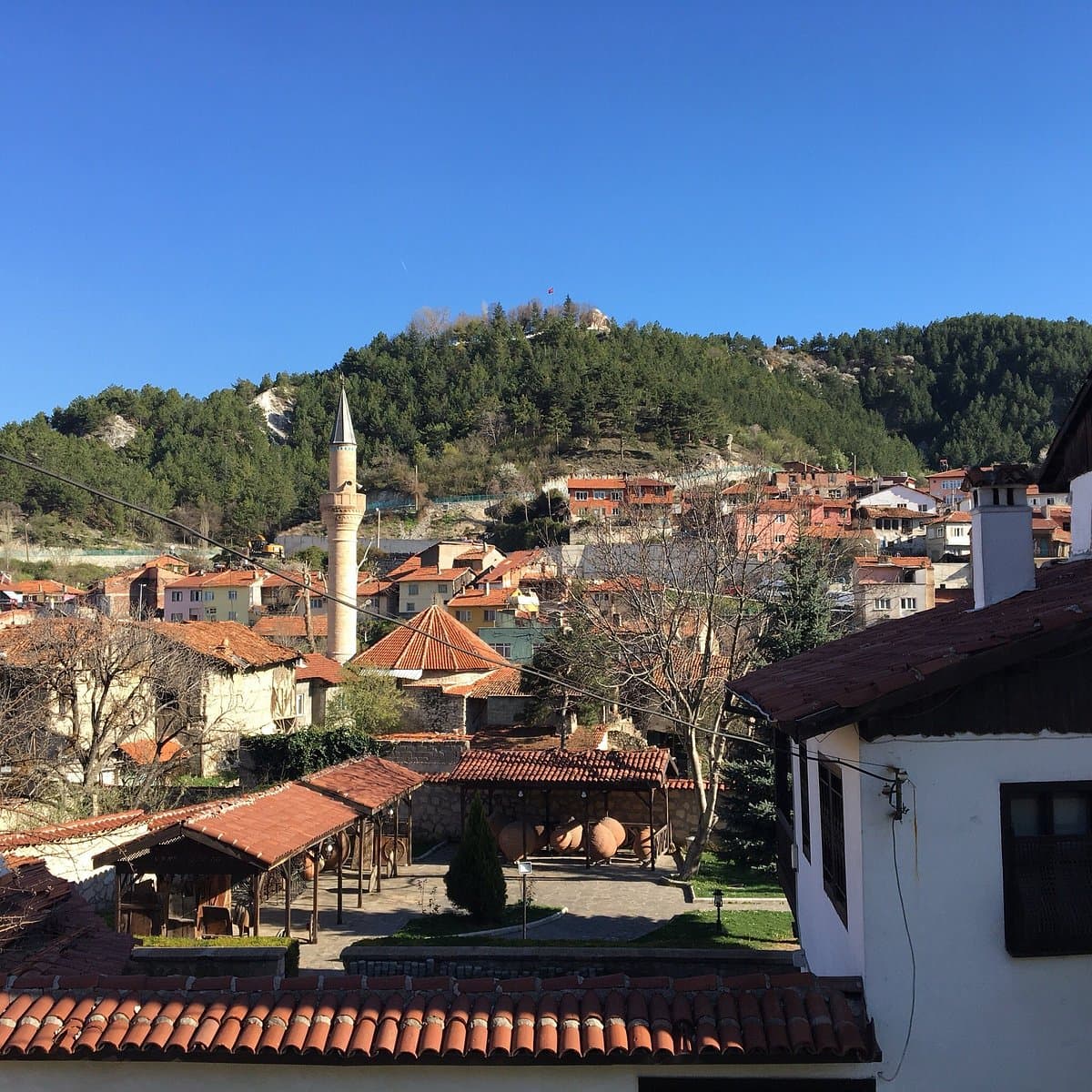
The Kossuth House Museum, also known locally as Macar Evi (Hungarian House), is a beautifully preserved 18th-century Ottoman mansion in Kütahya. It holds significant historical importance as the temporary residence of Lajos Kossuth, a prominent Hungarian statesman and freedom fighter, who lived here in exile from 1850 to 1851. The museum not only showcases typical Ottoman domestic architecture but also tells the compelling story of a European revolutionary finding sanctuary in the Ottoman Empire.
Visitors consistently praise the museum for its authentic atmosphere and the detailed reconstructions of daily life. Reviewers frequently mention the "warmth of the wooden walls" and the "beautiful big garden," highlighting the aesthetic appeal of the traditional Turkish house. The museum's three floors feature various rooms with human figures depicting activities, which many find an engaging way to visualize how people lived. Several visitors recommend combining a visit here with the nearby Tile and Archaeology Museum, suggesting it offers a complementary historical perspective.
To fully appreciate the museum, visitors typically spend about 1 to 1.5 hours exploring its rooms and garden. It's best visited during daylight hours to enjoy the natural light within the wooden structure and the garden. There is no entry fee, making it an accessible cultural experience. Reviewers do not mention specific items to bring, but comfortable shoes are always advisable for exploring historical sites.
The Kossuth House Museum is located in the Borekciler Mah. Macar Sok. in Kütahya Merkez. While specific public transport details are not widely reviewed, Kütahya is a relatively walkable city center. Taxis are readily available, and the museum's central location makes it easily accessible from other city attractions. Driving to the museum might be possible, but parking availability in the narrow streets of the old town could be limited.
Common complaints are not frequently noted in reviews, likely due to the museum's free entry and well-maintained condition. However, some visitors might find the historical context less engaging if they are not familiar with Hungarian history or Ottoman-era diplomacy. To mitigate this, a quick read about Lajos Kossuth and his exile before visiting can significantly enhance the experience.