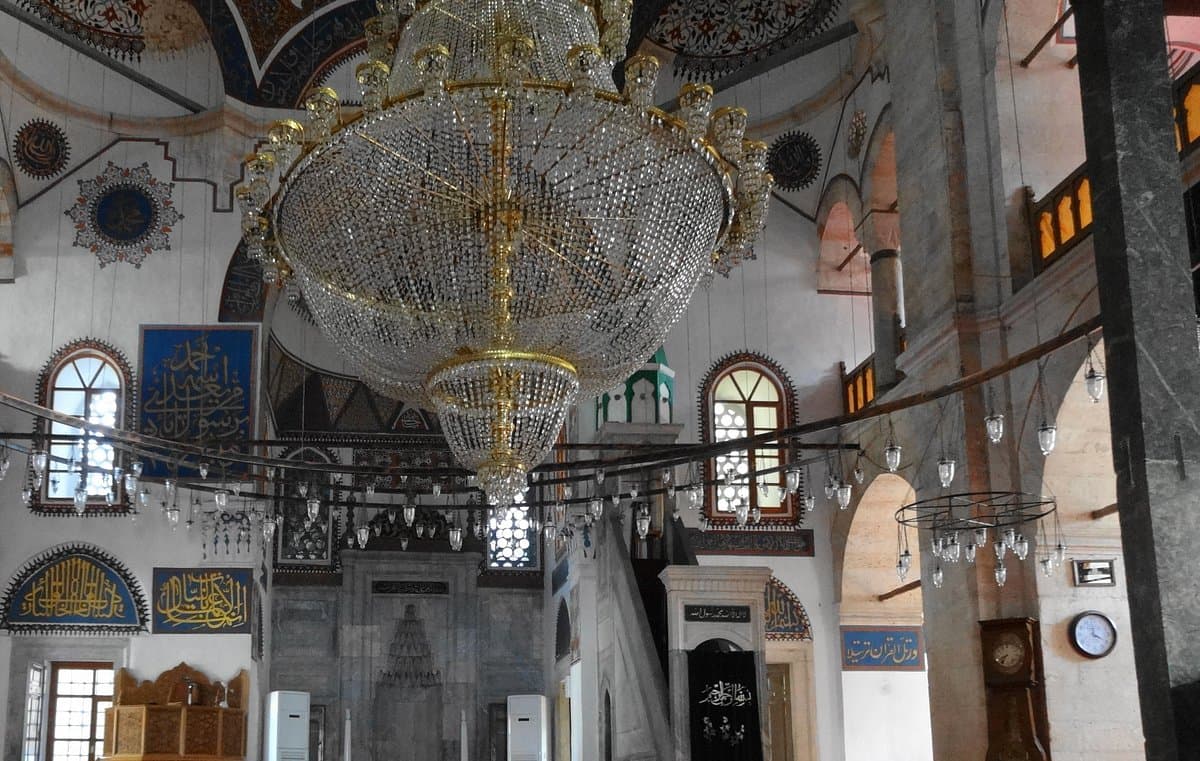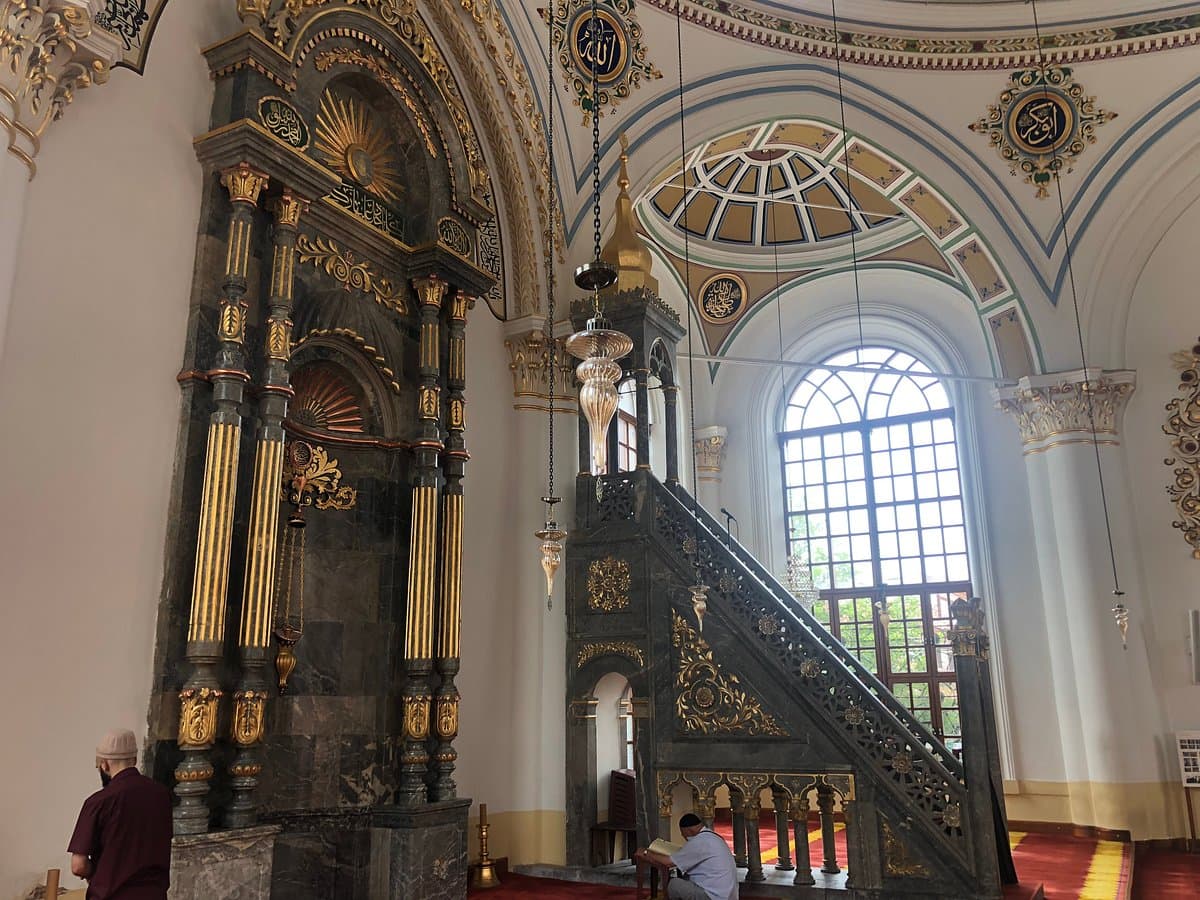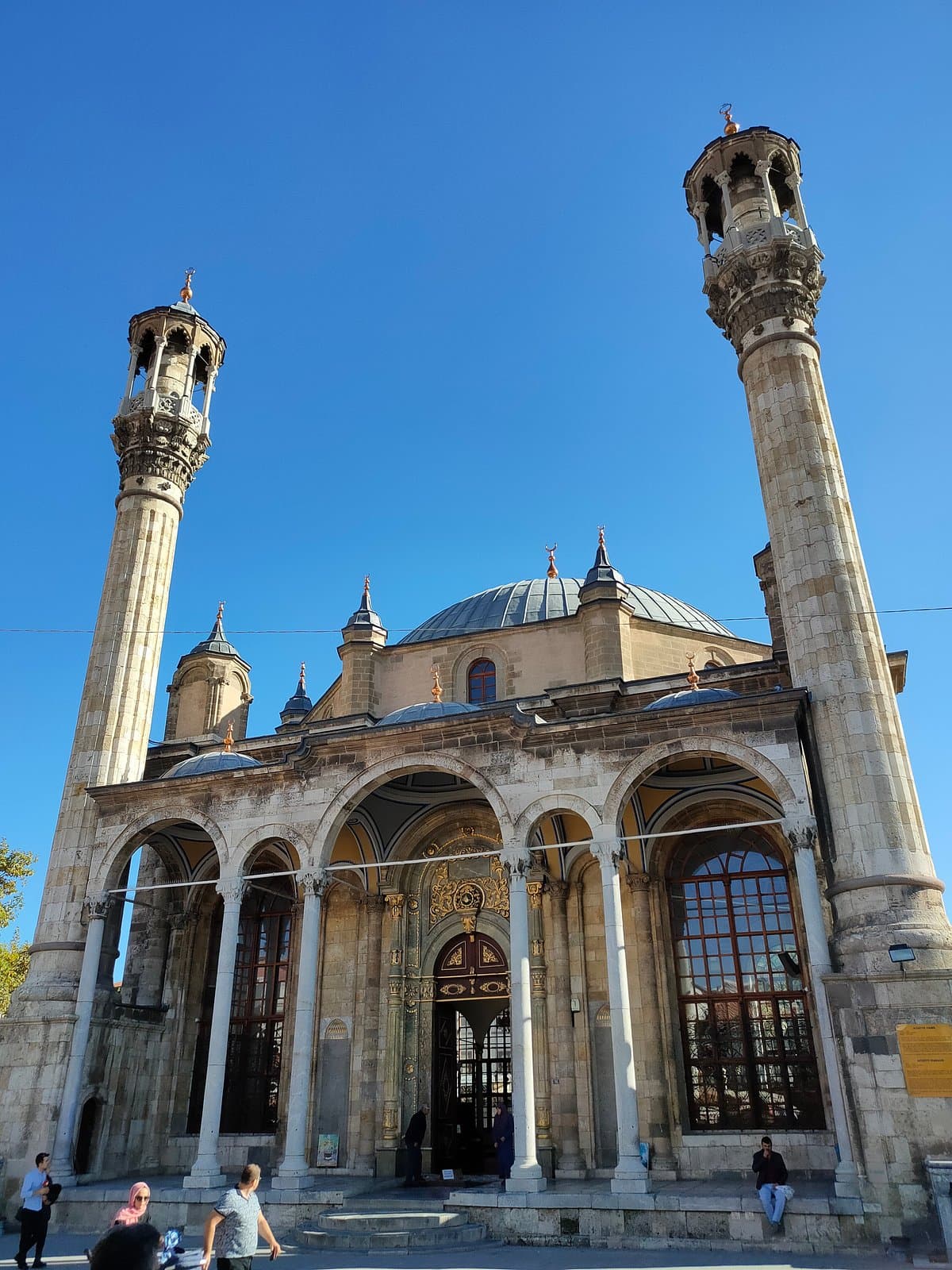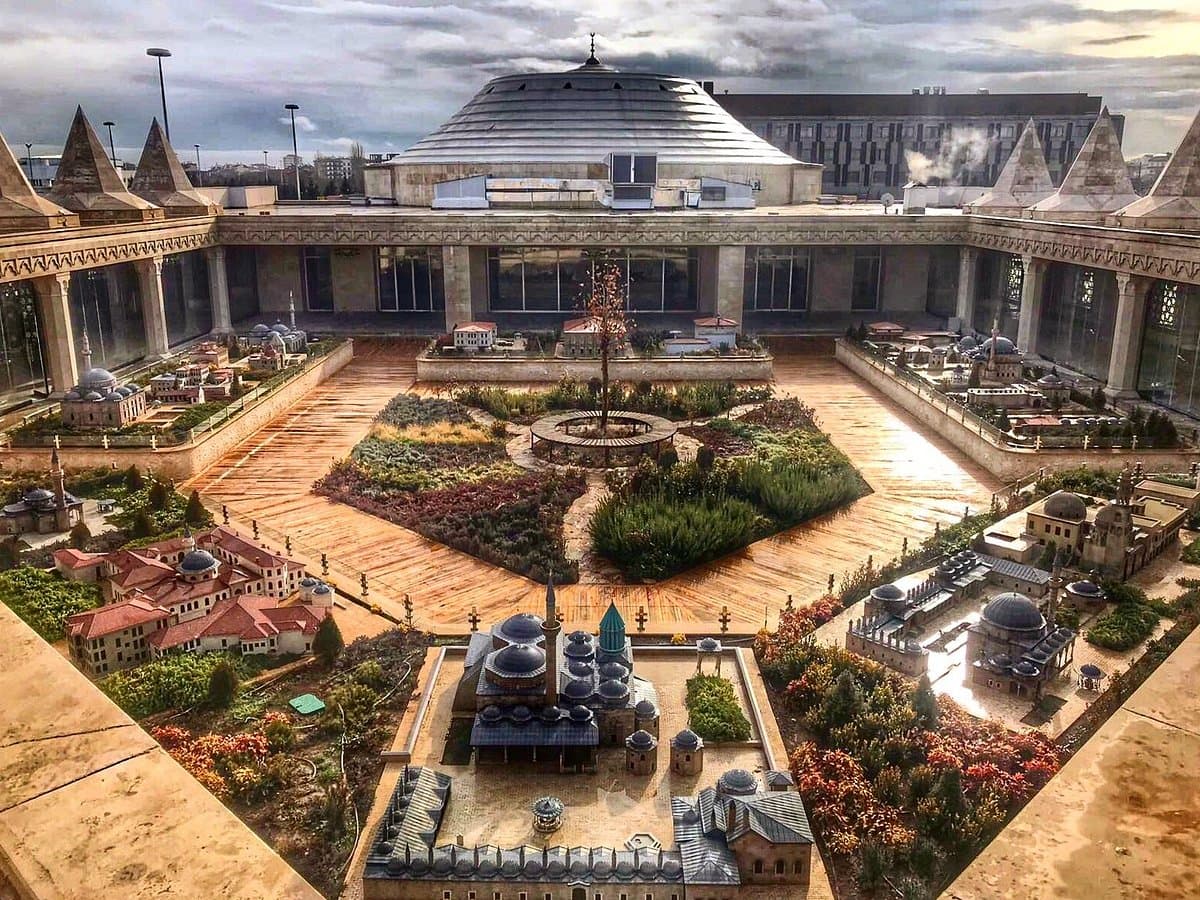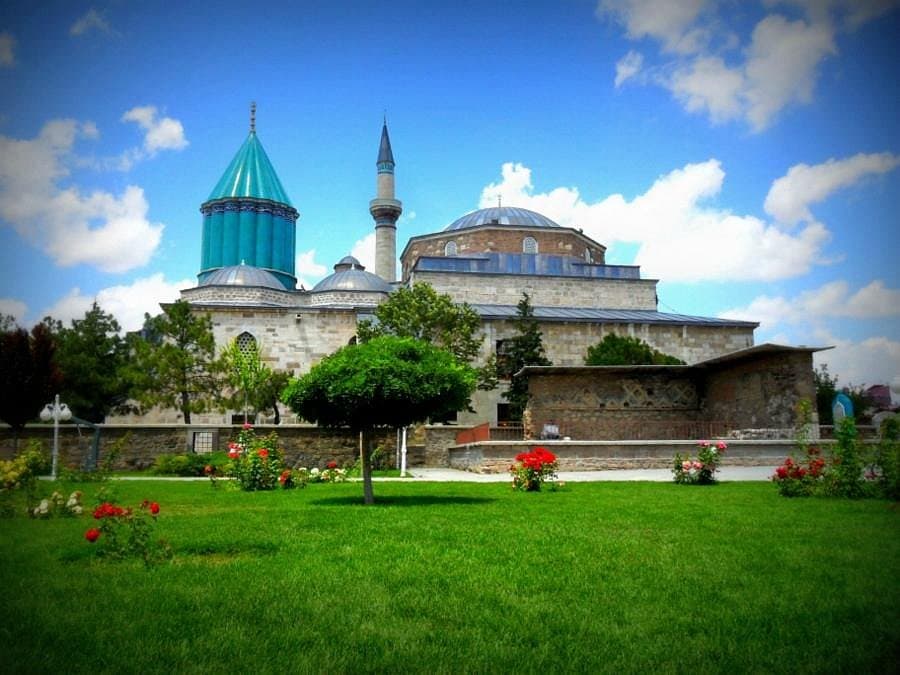
The Mevlana Museum, formerly the tekke (lodge) of the Mevlevi Order of Whirling Dervishes, is a profound spiritual and cultural landmark in Konya. It serves as the mausoleum of Jalal ad-Din Muhammad Rumi, the 13th-century Persian poet, Islamic scholar, and Sufi mystic, revered globally as Mevlana. The museum complex, with its iconic turquoise-tiled dome, offers an unparalleled glimpse into Sufi traditions, Rumi's life, and the history of the Mevlevi order, making it the primary reason many tourists visit Konya.
Visitors consistently praise the museum for its spiritual atmosphere and the wealth of historical information. Many describe feeling a deep sense of peace and tranquility, especially around Rumi's tomb. The exhibits, which include ancient Qurans, Sufi artifacts, musical instruments, and life-size dioramas depicting dervish life, are well-arranged and often include English translations, though some suggest an audio guide enhances the experience. The beauty of the architecture, particularly the lavishly decorated interior of the mausoleum and the intricate details of the manuscripts, is frequently highlighted. The fact that entry is free is a significant bonus, making it accessible to all.
To make the most of your visit, plan for at least 2-3 hours, with some visitors recommending a half-day to fully absorb the atmosphere and details. Arriving early in the morning is advisable to avoid large crowds, especially during peak season or on national holidays, as the site can become very busy. An audio guide, available for a small fee, is highly recommended by many to gain deeper insights into Rumi's philosophy and the exhibits. Dress modestly; ladies should bring a headscarf (though some are provided) and all visitors will be given plastic shoe covers to wear inside the mausoleum. While there is a cafe on-site, many suggest exploring the surrounding area for authentic local food, such as Bamya çorbası (okra soup) and Konya pidesi.
The Mevlana Museum is centrally located in Konya, making it easily accessible. It is situated on Mevlana Caddesi, and many reviewers mention its proximity to public transport. The area is well-served by trams and buses, with a tram station often noted as being nearby. For those driving, parking options are available in the vicinity, though the central location means walking from nearby accommodations or public transport is often the most convenient. The museum is surrounded by a large square and gardens, providing a pleasant approach.
A common complaint among visitors, particularly during busy times, is the condition of the public restrooms, which are often described as dirty and poorly maintained. It is advisable to use facilities elsewhere if possible. Some visitors also note that while the museum is informative, those unfamiliar with Rumi or Sufism might benefit from reading up on the subject beforehand to fully appreciate the context. Additionally, some exhibits may have poor lighting, making it difficult to view certain artifacts. Despite these minor issues, the overwhelming sentiment is that the spiritual and historical significance of the Mevlana Museum far outweighs any inconveniences.