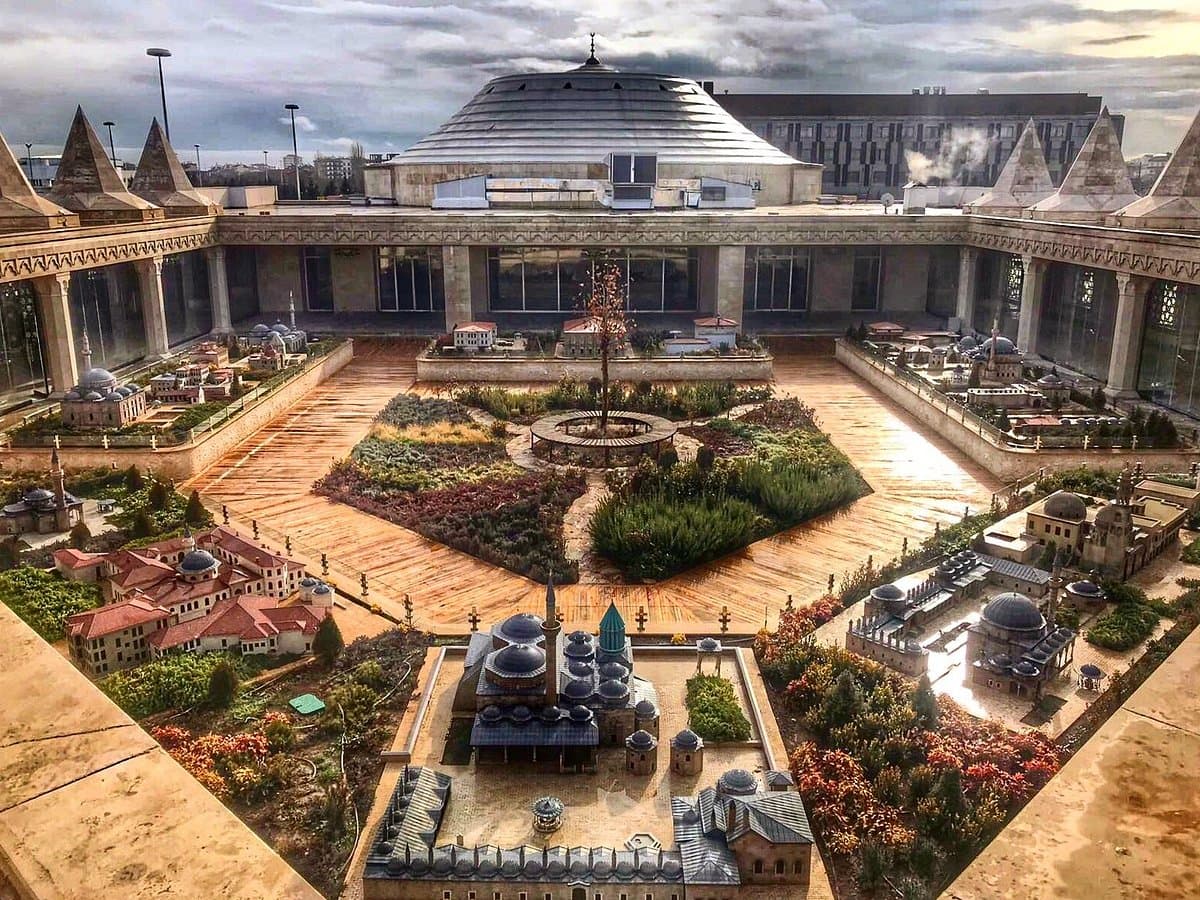
The Konyanuma Panorama Museum provides a distinctive historical and cultural experience, focusing on the life and journey of Mevlana Rumi and the depiction of Konya in the 13th century. Unlike traditional museums filled with artifacts, this institution uses large-scale panoramic paintings, detailed dioramas, and miniature models to tell its story. It serves as an excellent complement to a visit to the Mevlana Museum, offering a visual narrative of the Sufi heritage deeply rooted in Konya.
Visitors consistently praise the museum's immersive quality, particularly the circular room with its 360-degree panoramic views and realistic wax figures that transport them back to historical Konya. Many reviewers highlight the impressive craftsmanship of the miniature sculptures and the detailed artwork depicting Rumi's life journey from Balkh to Konya. The museum's relaxed atmosphere and the opportunity to learn about Sufi history in an engaging format are frequently mentioned positives. Some visitors also appreciate the on-site cafeteria for a relaxing break and the small shop for souvenirs and books.
To make the most of your visit, allocate about 1 to 2 hours. The museum is best visited during the day, and it's particularly convenient if you're already in the vicinity of the Mevlana Museum. Many visitors note the very low ticket price, making it an affordable cultural experience. If you have a museum card, entry might be free. Consider downloading a translation app if you need help with explanations, though some exhibits are self-explanatory through their visual nature.
The museum is conveniently located approximately 300-500 meters from the Mevlana Complex and the main mosque, making it easily accessible on foot. It is also mentioned as being next to the Hilton hotel, which can serve as a useful landmark. There is a large parking lot available for those arriving by car. Its central location means it's well-integrated into a walking tour of Konya's historical center.
While many find the museum engaging, some visitors feel there isn't enough 'special' content or that it lacks traditional artifacts. A few reviewers expressed surprise that a place like this charges an entrance fee, though the fee is generally considered very low. To mitigate potential disappointment, go with the expectation of seeing a visual narrative and artistic representations rather than a collection of historical objects. If you are not deeply interested in Rumi or Sufi history, you might find it less compelling, but for those who are, it offers a unique perspective.