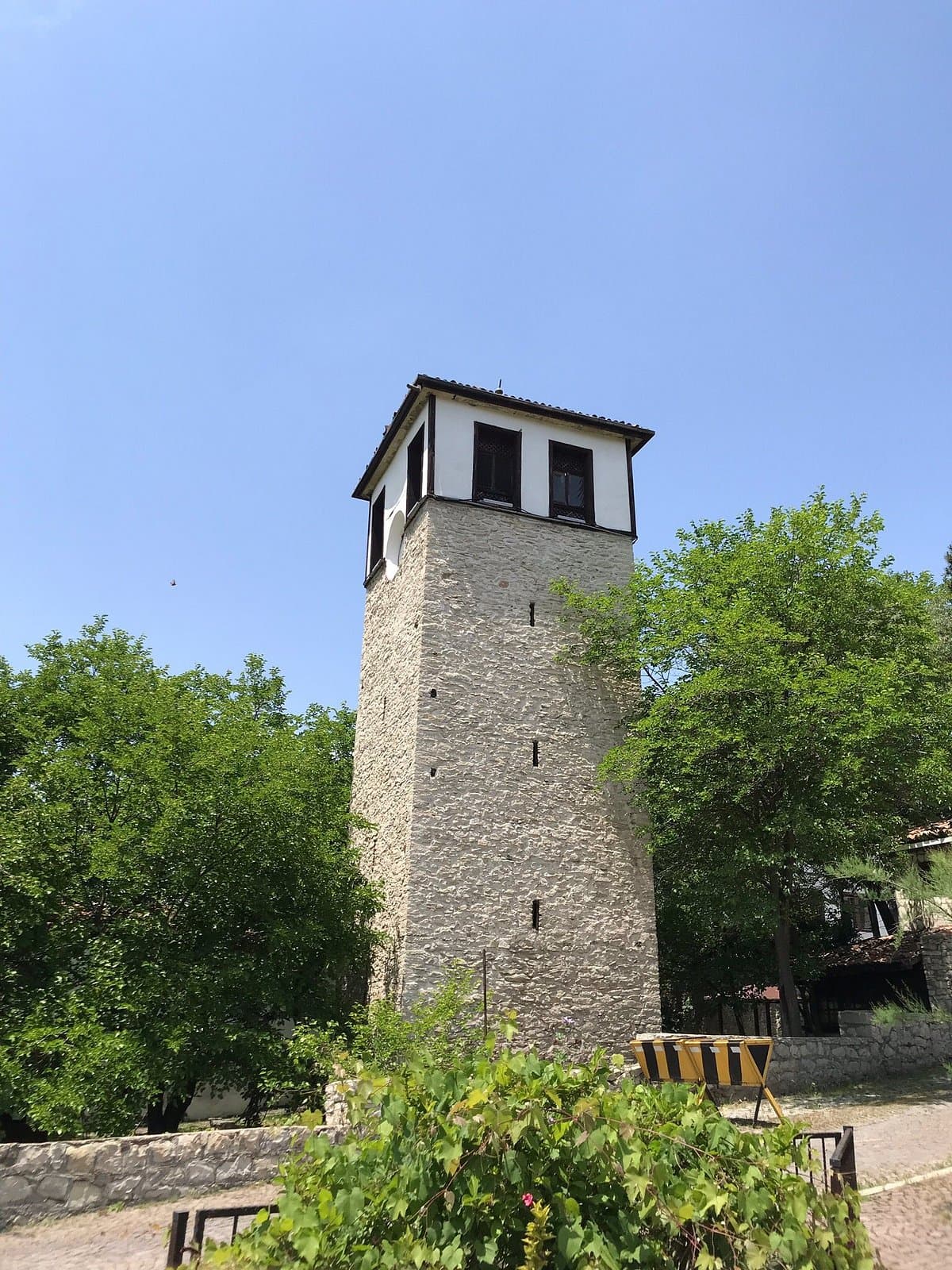
The Tarihi Saat Kulesi, or Historical Clock Tower, in Safranbolu is a significant landmark that embodies the city's rich Ottoman heritage. Built in 1797 by Grand Vizier İzzet Mehmet Pasha, it stands as a testament to Ottoman engineering and timekeeping. Unlike many historical clock towers, this one remains fully operational, with its mechanism still requiring manual winding, offering a rare, authentic experience of a bygone era.
Visitors consistently praise the tower's unique operational status and the informative guides. Many reviewers highlight the opportunity to see the clock's inner workings and learn about its history directly from the staff. The tower is often noted for its proximity to the Kent Museum and a garden featuring 15 miniature clock towers, each representing an actual Ottoman-era tower. This collection provides an interesting visual context to the main tower and is a popular photo opportunity. Reviewers find the guides to be very knowledgeable and willing to explain the clock's operation, making the visit more engaging.
To make the most of your visit, allocate about 30-60 minutes. The best time to visit is during daylight hours when the museum next door is also open. While the stairs inside are described by some as 'rickety,' visitors confirm they are solid and safe. Consider bringing a translator or using a translation app if you don't speak Turkish, as some guides might have limited English, though many reviewers found them communicative regardless. Combining your visit with the Kent Museum is highly recommended for a comprehensive historical experience.
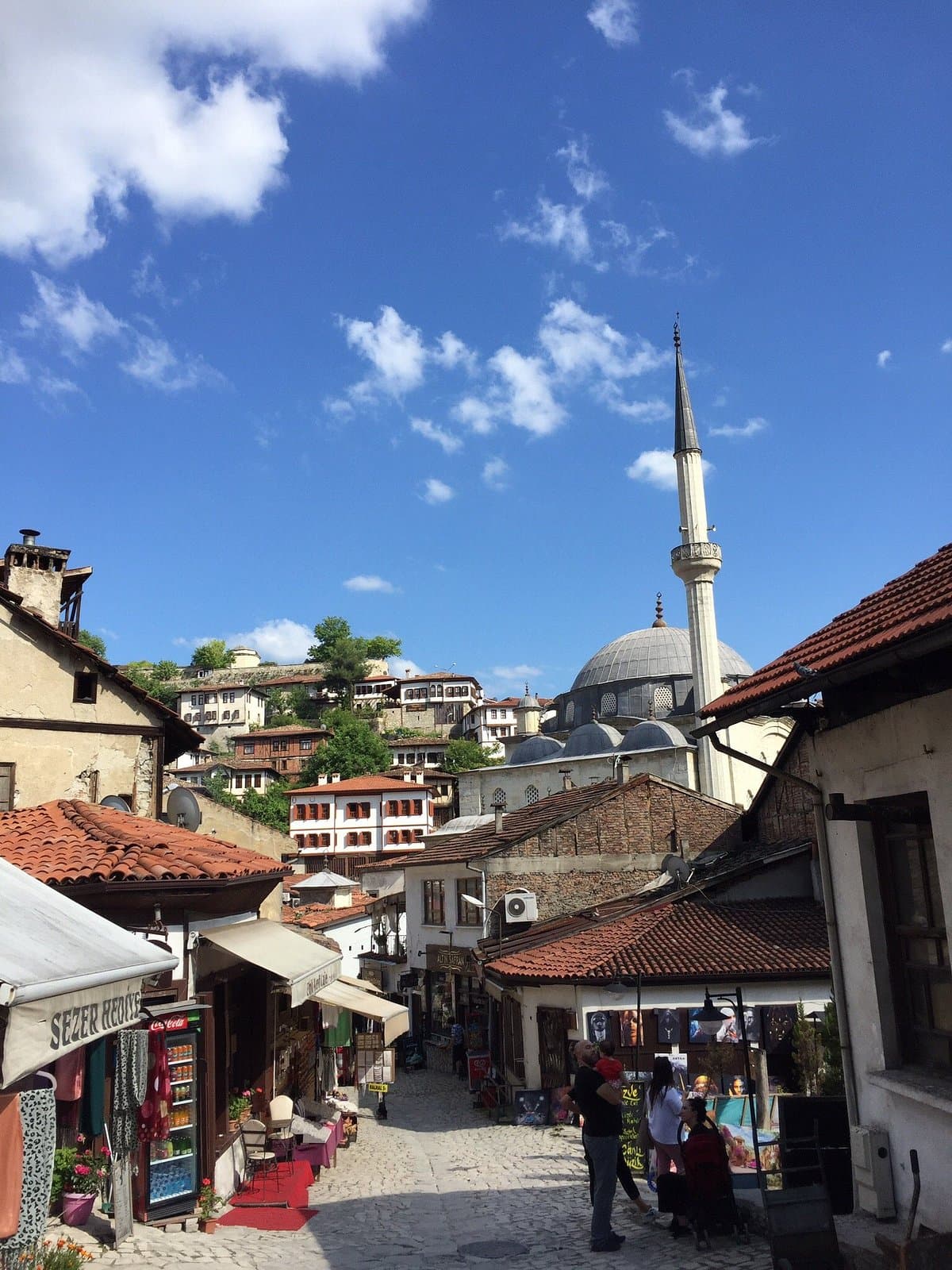
The clock tower is located in Kale Meydani Sokak, right next to the Kent Museum. Safranbolu's old town is best explored on foot, as many streets are narrow and pedestrian-friendly. Parking can be challenging in the immediate vicinity, so it's advisable to park slightly further away and walk. The tower is easily accessible from most central points of the old town.
A common minor complaint is the limited space inside the tower, which can feel cramped with larger groups. To mitigate this, try to visit during off-peak hours, such as early mornings or late afternoons, to enjoy a more personal experience with the guide.