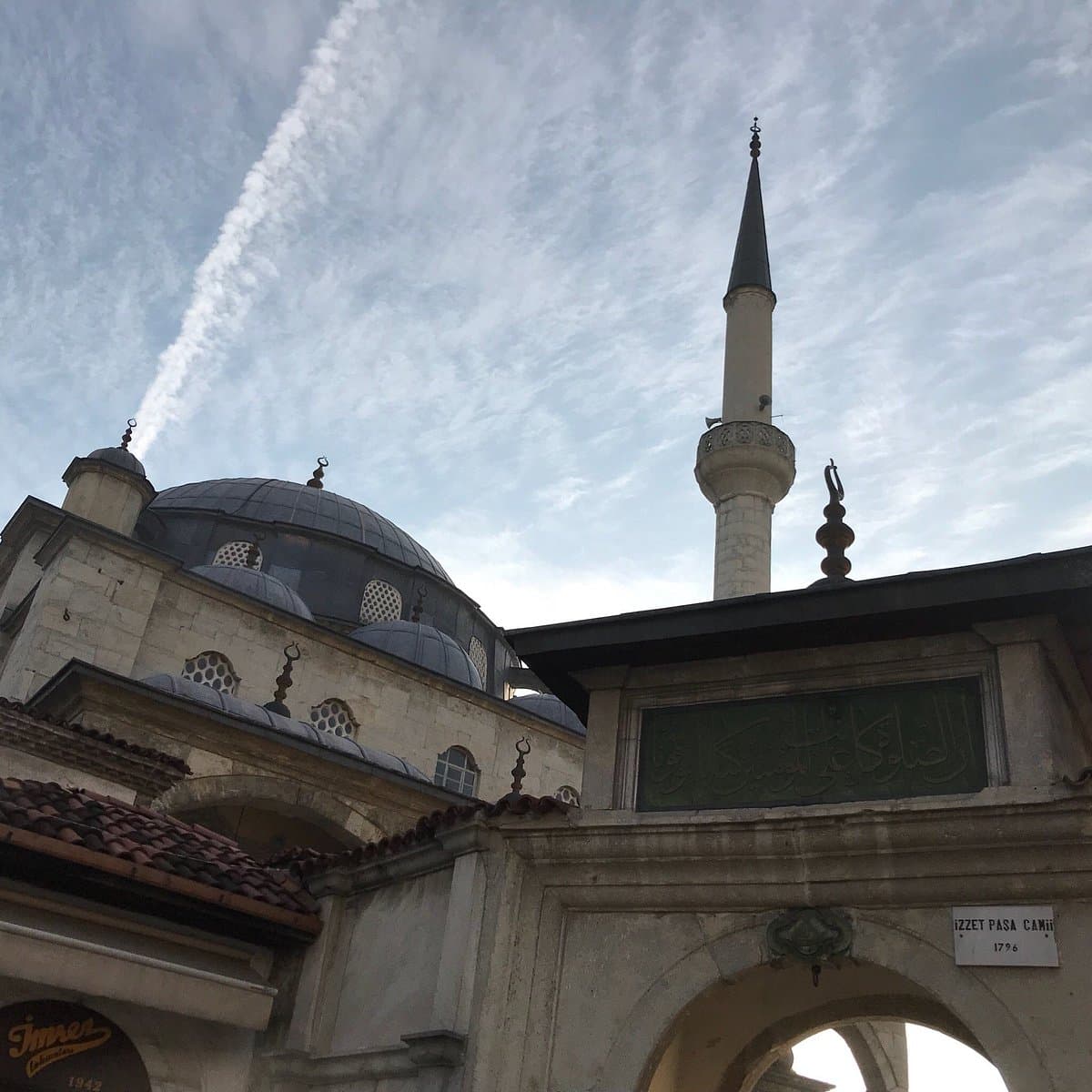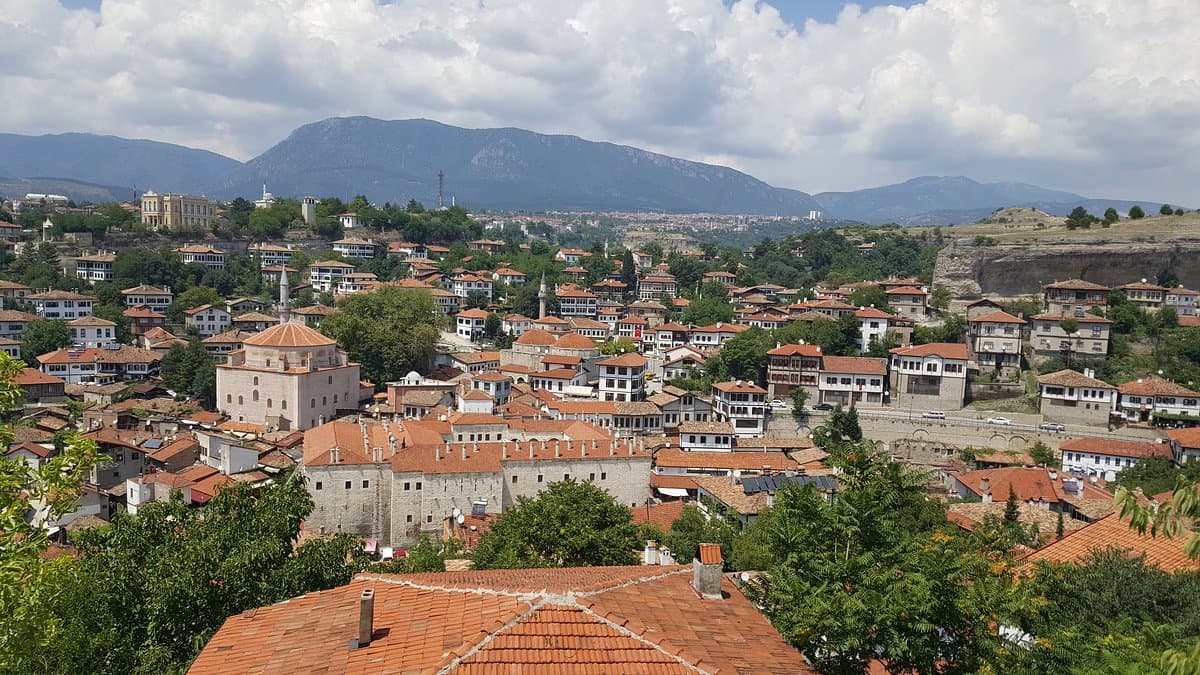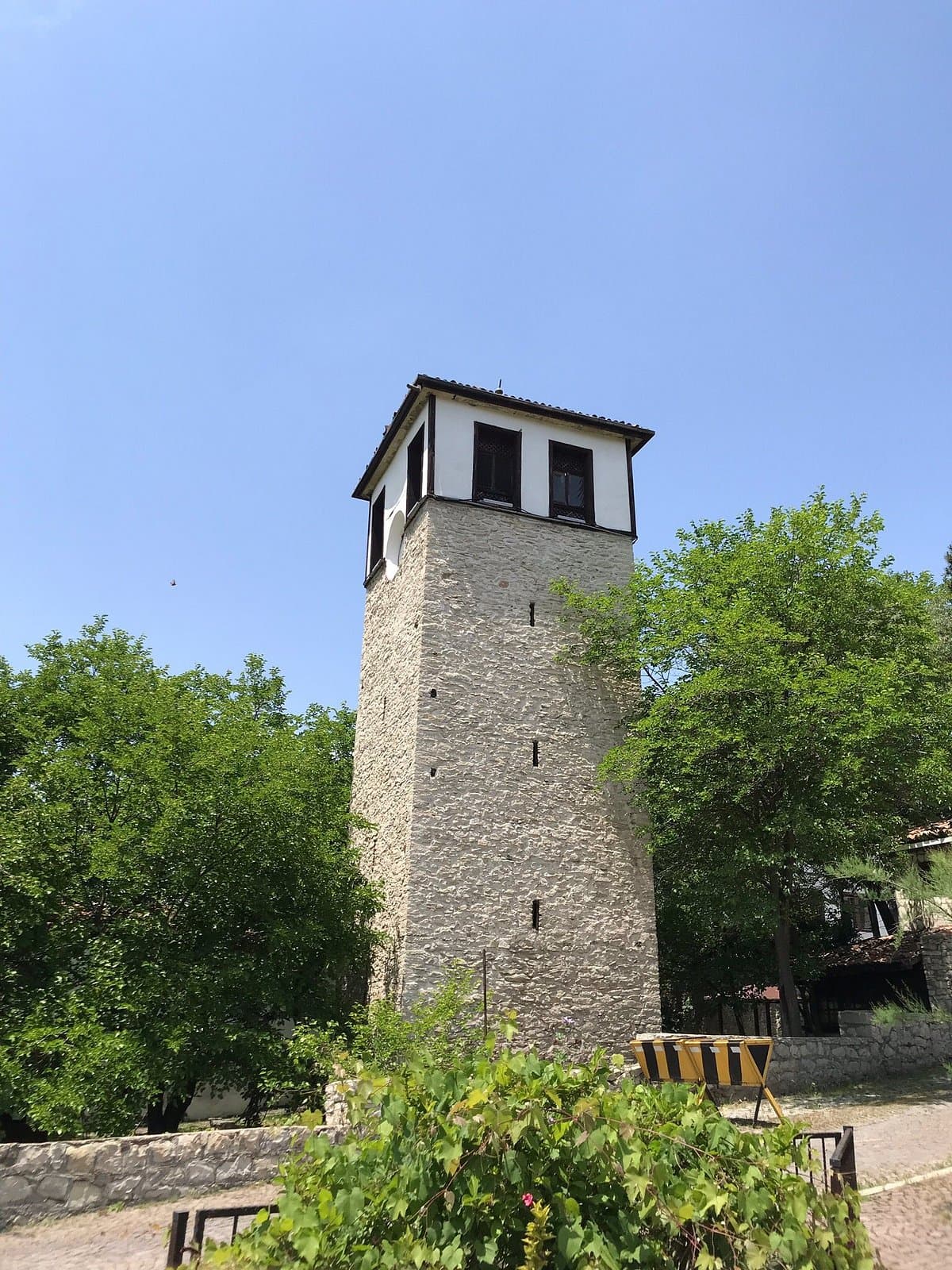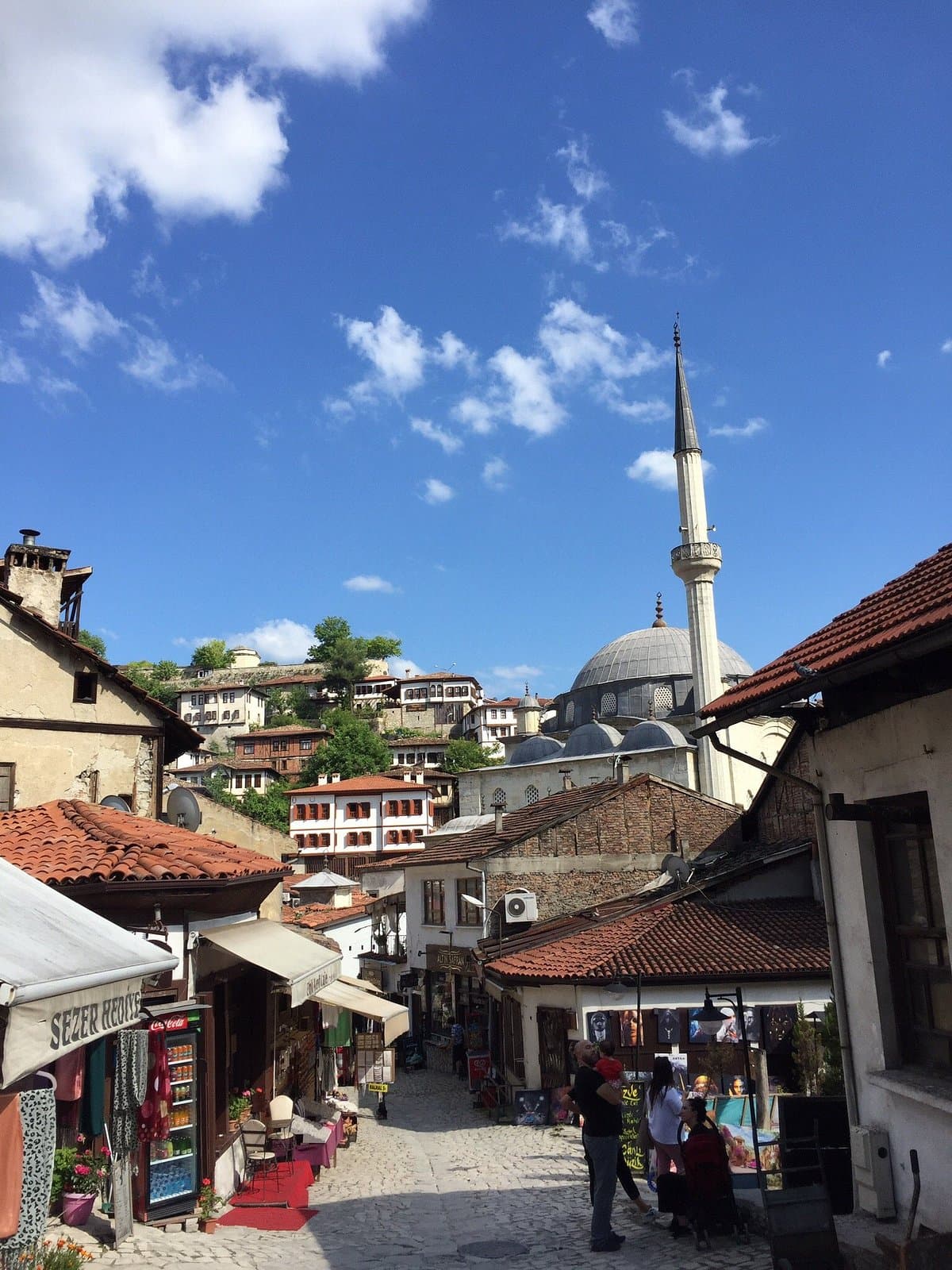
Safranbolu Eski Çarşı, or the Old Bazaar, is the historical and cultural epicenter of Safranbolu, a city recognized by UNESCO for its outstanding Ottoman-era urban planning and architecture. This area served as a crucial caravan stop on major trade routes between Europe and the Orient from the 13th to the early 20th centuries, and its well-preserved buildings—including mosques, hamams, fountains, and hundreds of traditional houses—offer a unique glimpse into a bygone era. It's a place where history isn't just displayed but actively lived, with many shops continuing traditional trades.
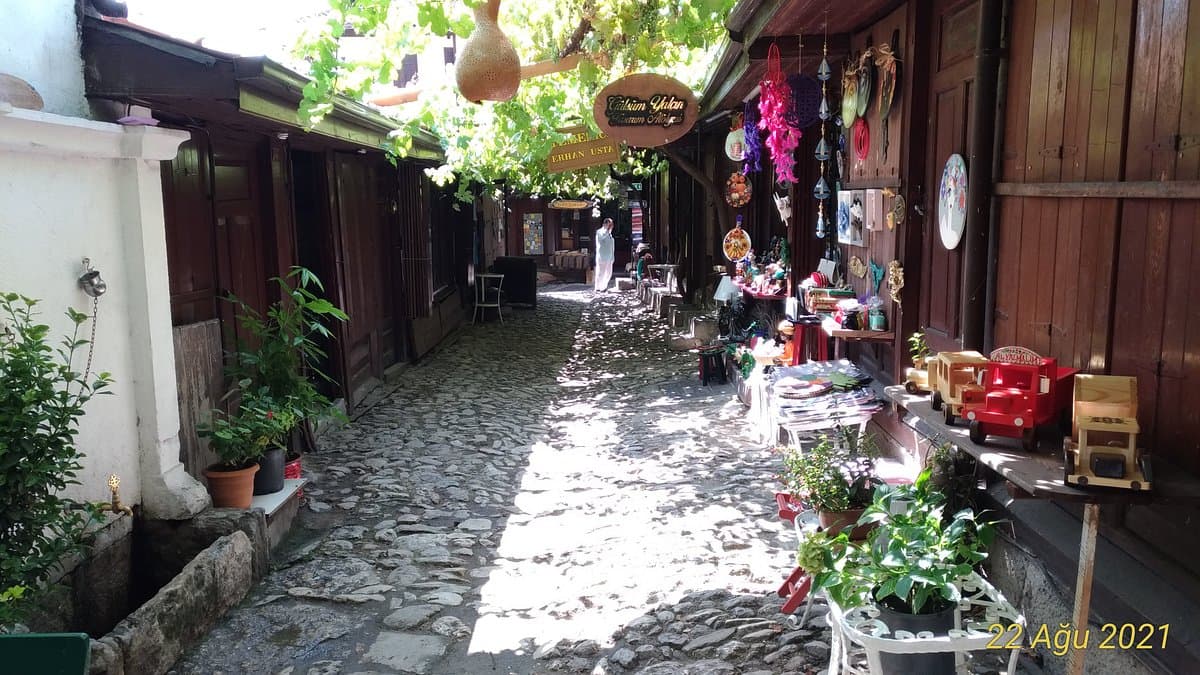
Visitors consistently praise the charming atmosphere, the picturesque cobblestone alleys, and the opportunity to experience authentic Turkish culture. Many reviewers highlight the abundance of shops selling local products like saffron-infused items, handmade souvenirs, and especially the famous Turkish delight (lokum), with free samples often offered. The architecture, particularly the distinctive brown and white Ottoman houses, is a major draw, providing excellent photo opportunities. Reviewers also appreciate the friendly locals and the generally peaceful, clean environment, especially during quieter seasons like winter.
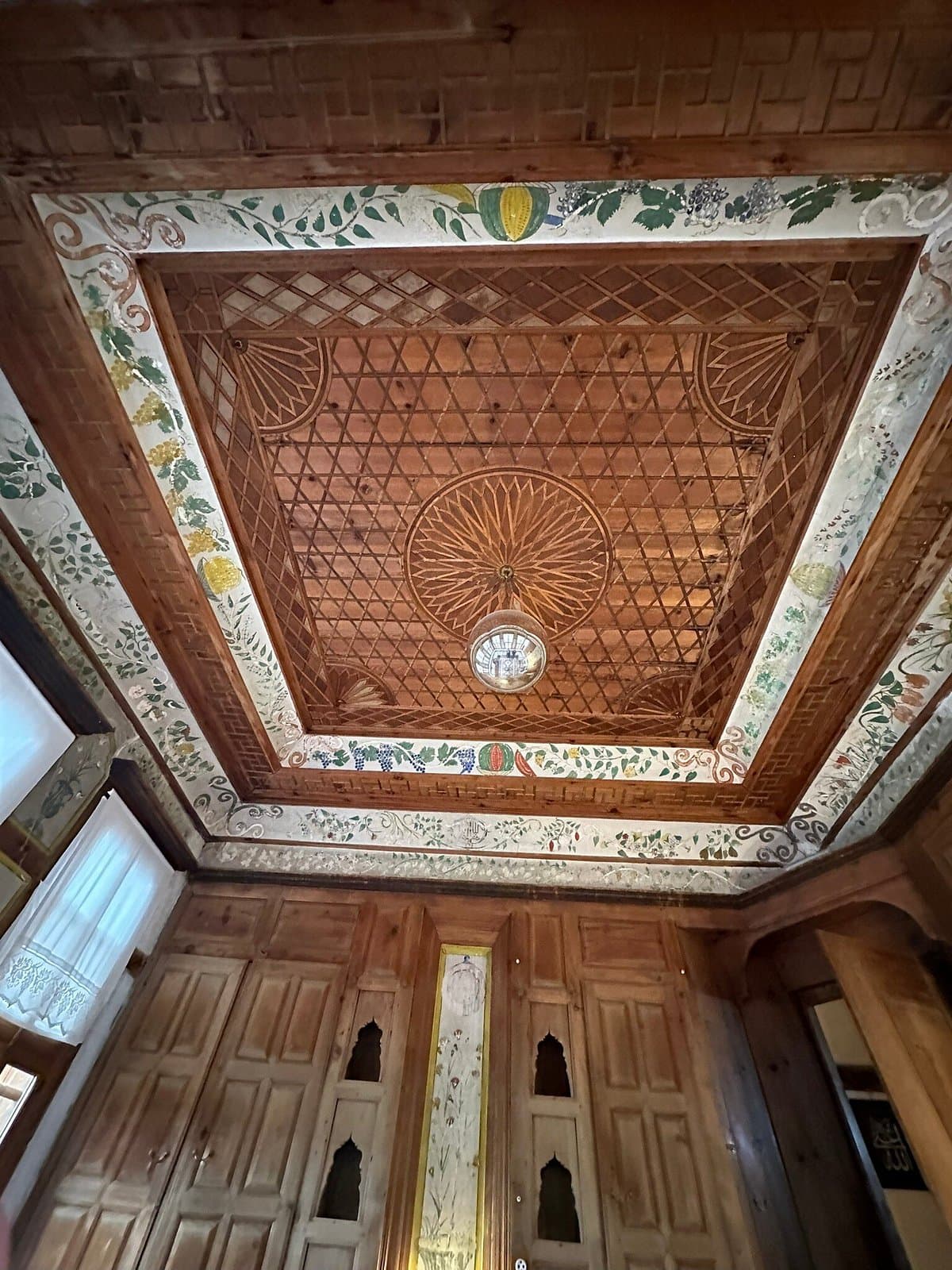
To make the most of your visit, plan to spend 2-3 hours exploring the bazaar, allowing time to browse shops, enjoy a Turkish coffee, and perhaps visit one of the preserved Ottoman houses. Many suggest visiting in the morning to avoid larger tour groups, though some find the bustling atmosphere enjoyable. Don't miss the 'Blacksmiths' Bazaar' or 'Iron Market' for unique handcrafted items. While many vendors offer Turkish delight samples, be prepared for persistent sales pitches; some visitors find this intrusive. Consider purchasing saffron products directly from local producers for better quality and prices.
Safranbolu is accessible by bus from major cities like Istanbul. Once in Safranbolu, the Eski Çarşı is the main old town area. Many hotels and guesthouses are located within or very close to the bazaar, making it easily walkable. If arriving by bus, your accommodation may offer a pick-up service, or taxis are readily available. Walking from a slight distance is recommended by some to avoid the congestion of buses and cars jostling for space directly in the heart of the bazaar.
A common complaint among visitors is the sometimes overwhelming number of souvenir shops and the persistent sales tactics, particularly for Turkish delight. To mitigate this, focus on exploring the less crowded side streets and the iron market, which offer a different shopping experience. While the area can get crowded with tour groups, especially during peak season, visiting early in the day or during the off-season can provide a more serene experience. Some reviewers also felt that beyond the houses and shops, there wasn't much else to see; however, delving into the specific historical buildings like mosques and hamams, as well as enjoying the local cuisine, can enrich the experience significantly.