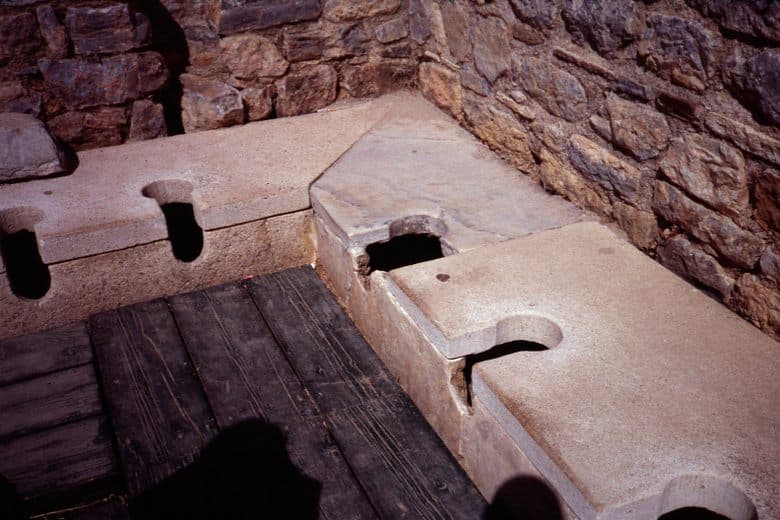
The Public Toilets of Ephesus, located within the Scholastica Baths complex, represent a remarkable example of Roman engineering and social life. Dating back to the 1st century CE, these communal latrines highlight the advanced public works of the ancient city, which was one of the largest and most important in the Greco-Roman world. They offer a tangible connection to the daily routines of Ephesians, showcasing their approach to hygiene and public interaction.
Visitors consistently praise the unique historical insight these toilets provide, often finding them both educational and amusing. Many reviewers highlight the opportunity to see the marble seats and the communal water channel, which was used for cleaning sponges-on-a-stick (tersorium). The sheer number of seats (36) arranged in a row often sparks comments about the lack of privacy and the social aspect of ancient Roman sanitation. It's a popular spot for photos, with many tourists humorously posing on the ancient seats.
To fully appreciate this site, allocate about 10-15 minutes as part of your larger visit to Ephesus. It's best visited during the cooler parts of the day, either early morning or late afternoon, to avoid the intense heat, especially during summer. Bring plenty of water, wear comfortable shoes suitable for walking on uneven ancient paths, and consider a hat and sunscreen. While you can sit on the seats for photos, visitors are reminded not to actually use them. There are modern facilities available elsewhere within the Ephesus site.
The Ephesus archaeological site, where the Public Toilets are located, is easily accessible from Selçuk. You can reach Selçuk by train or bus from major cities like Izmir. From Selçuk, local dolmuş (minibuses) or taxis can take you directly to the main entrance of Ephesus. The toilets are situated within the main archaeological park, requiring a walk through other significant ruins like the Library of Celsus and the Curetes Street. Parking is available at the site entrance for those driving.
A common complaint, particularly during peak season, is the crowds, which can make it difficult to get clear photos or fully absorb the atmosphere. To mitigate this, aim to visit right when the site opens or an hour or two before closing. The heat can also be a significant issue, so planning your visit for cooler times of the day is crucial.