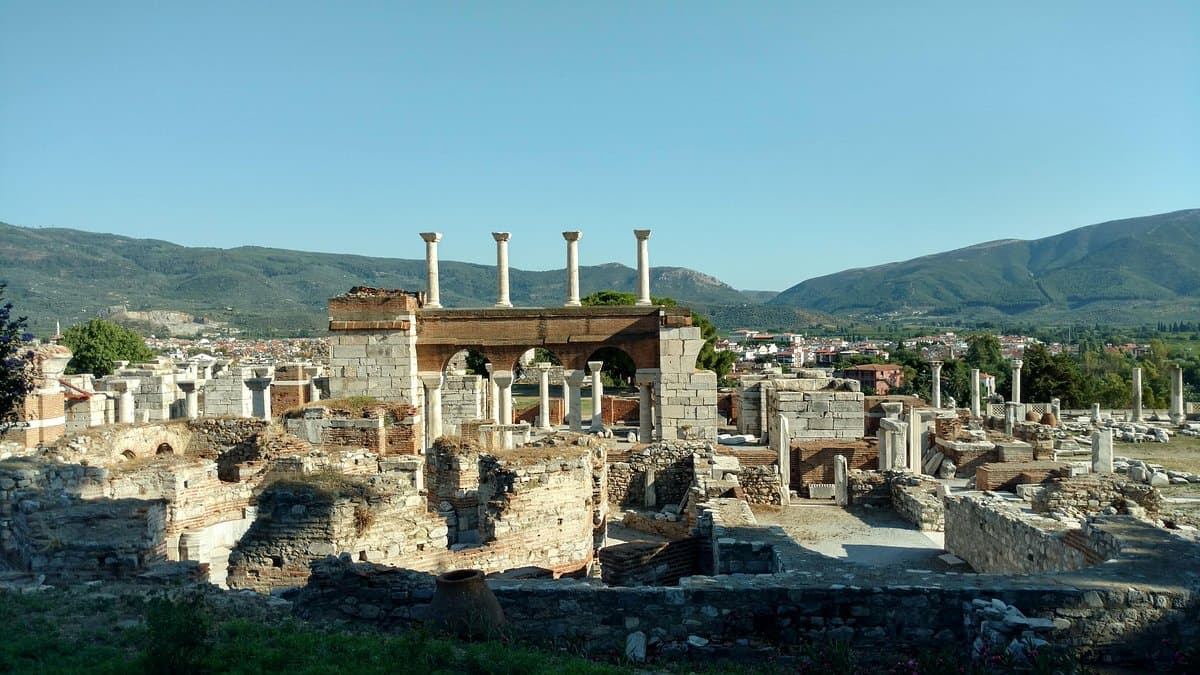
The Basilica of St. John, located on Ayasuluk Hill in Selçuk, is a monumental ruin that once stood as one of the largest and most significant churches of the Byzantine Empire. Built by Emperor Justinian in the 6th century over the believed burial site of John the Apostle, it served as a major pilgrimage destination throughout the medieval period. Its historical importance is immense, connecting visitors directly to the early days of Christianity and the life of one of Jesus's closest disciples. The basilica's design, which influenced structures like St. Mark's Basilica in Venice, and its past role as a repository for sacred relics, underscore its profound legacy.
Visitors consistently praise the spiritual atmosphere and the sense of history that permeates the site. Many find the experience deeply moving, especially those with an interest in Christian history, noting the significance of standing where St. John is believed to have lived and been buried. The panoramic views from Ayasuluk Hill, encompassing Selçuk, the plains, and even the distant Temple of Artemis, are frequently highlighted as a major draw. Reviewers appreciate the relative tranquility compared to the crowds at Ephesus, allowing for a more reflective visit. The opportunity to combine the visit with the adjacent Ayasoluk Castle, accessible through the basilica grounds, is also a popular feature, offering even more expansive vistas.
To make the most of your visit, allocate about 1 to 1.5 hours for the basilica itself, with additional time if you plan to explore the castle. Many recommend arriving early in the morning to avoid crowds and the midday heat, especially during summer, as there is limited shade. Bringing a hat, sunscreen, and plenty of water is advisable. While some information is available on site, several visitors suggest researching the history beforehand or hiring a guide to fully appreciate the significance of the ruins. Combo tickets, often including Ephesus and the archaeological museum, are frequently mentioned as a cost-effective option. Be aware that the terrain can be uneven, so comfortable walking shoes are essential.
The Basilica is conveniently located a short walk from the center of Selçuk. From the Selçuk railway station, it's an easy stroll. For those driving, parking is available nearby. The entrance is off St. Jean Caddesi. Public transport options within Selçuk are limited, but the site is easily accessible on foot from most central accommodations. If you're visiting from Ephesus, it's a quick drive or taxi ride away, often included in organized tours.
A common complaint among some visitors is the extent of the ruins, with little of the original structure standing, which can make it challenging to visualize its former grandeur without prior knowledge or a guide. To mitigate this, consult the on-site model of the basilica and consider reading up on its history before your visit. Some also find the cafe on site to be overpriced; it's advisable to bring your own snacks and drinks if you prefer.