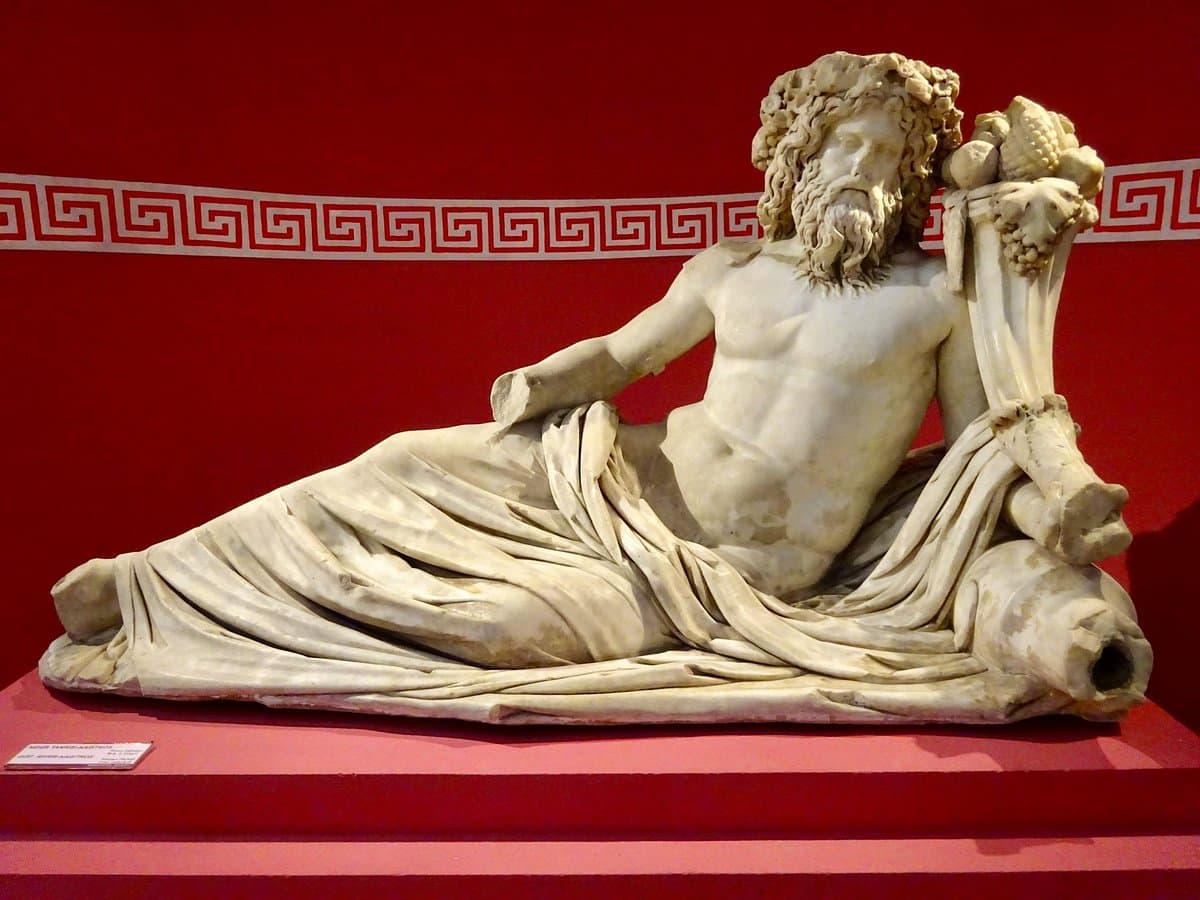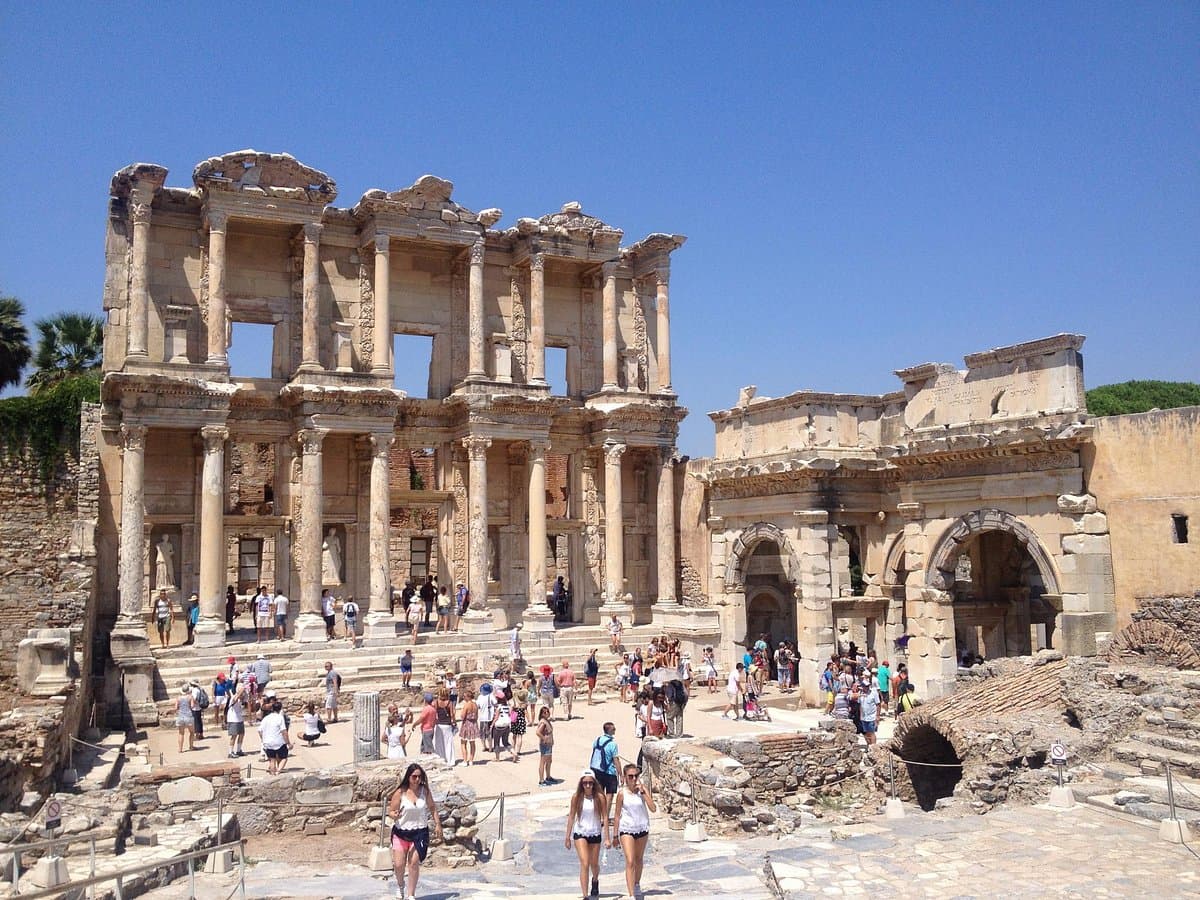
The Izmir Museum of Arts & Sculpture (İzmir Resim ve Heykel Müzesi) showcases a collection of Turkish art, primarily focusing on 20th-century paintings and sculptures. It provides insight into the artistic heritage of Turkey, with some exhibits also touching upon ancient Greek and Roman influences through various artifacts. The museum is often noted for its quiet ambiance, offering a contemplative space away from the city's bustle.
Visitors consistently praise the museum for its diverse and beautiful artifacts, with many highlighting the impressive statues and intricate pottery that illustrate different periods of the city's history. Reviewers frequently mention the tactile nature of the sculptures and the intriguing tools on display. The museum is often described as a peaceful place, ideal for those who appreciate art and history without large crowds. Some visitors, particularly those interested in ceramics and sculpture, find it inspiring for their own creative pursuits.
To make the most of your visit, plan to spend approximately 1.5 to 2 hours exploring the collections. Many reviewers suggest combining a visit here with the cluster of other museums in the vicinity, as well as the nearby Konak Pier and Izmir Clock Tower, to create a fuller itinerary. The museum is generally quiet, making it suitable for a relaxed visit at any time of day. It's also a recommended activity for a rainy day. Since entry is free, it offers excellent value.
The museum is conveniently located near the Konak Pier and the Konak metro stop. To reach it, visitors advise heading past the Izmir Clock Tower. While some online maps might lead astray, following this landmark should guide you correctly. Its central location makes it easily accessible by public transport or a short walk from other key attractions in Konak.
A minor complaint from some visitors is that the presentation style, while adequate, might not be as polished or modern as some larger international museums. However, many argue that the historical depth and quality of the exhibits themselves more than compensate for this, making an 'extra polishing presentation' unnecessary given the profound history it represents.