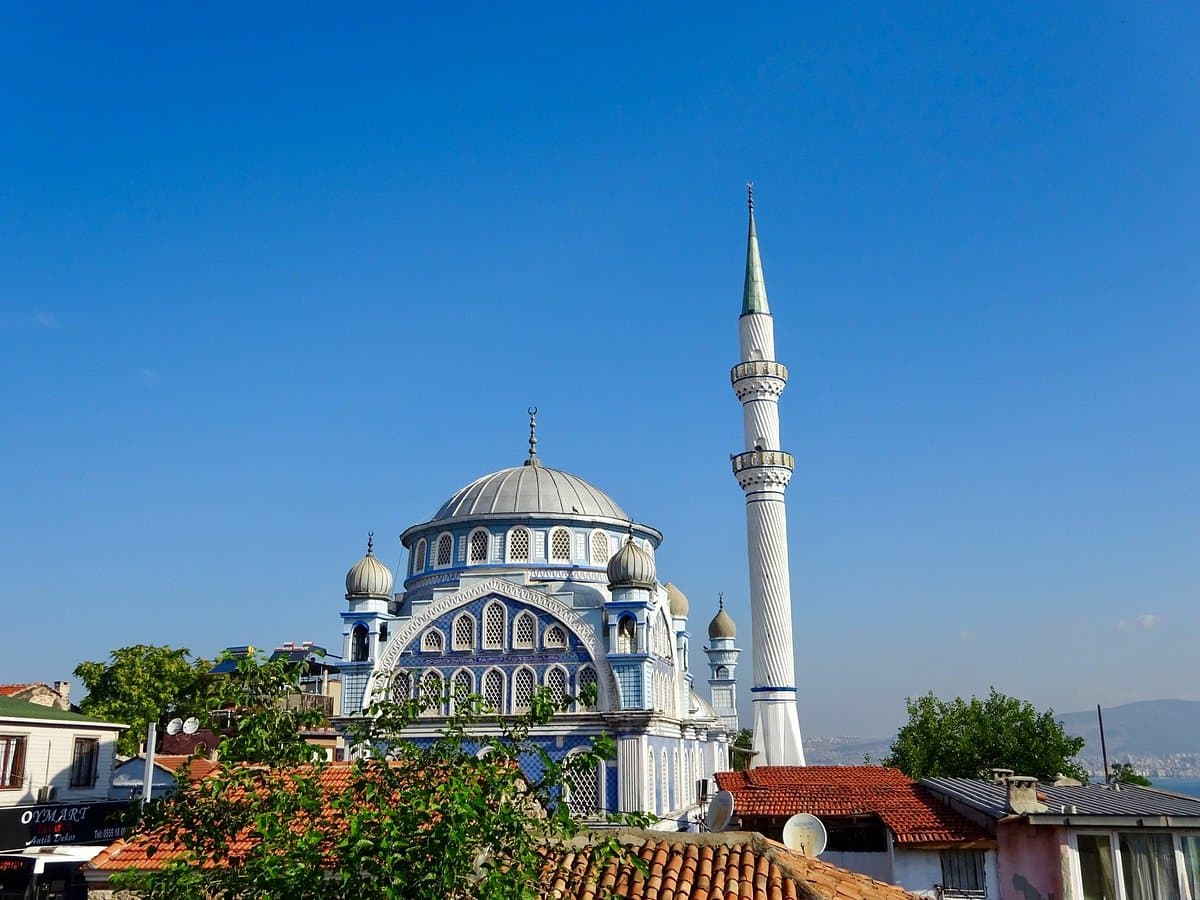
The Fatih Cinili Mosque, also known locally as Fatih Camii, is a significant example of Ottoman religious architecture in Izmir, distinguished by its prominent use of blue tiles. While not as grand in scale as some of Turkey's more famous mosques, its intricate tile work and serene ambiance offer a unique cultural experience that reflects the artistic traditions of the era.
Visitors frequently highlight the mosque's stunning blue tiles, which adorn both its exterior and interior, creating a vibrant and cohesive aesthetic. Many describe the interior as "incredible" and "luxurious," praising the bright carpets, chandeliers, and the detailed ceiling decorations. The cleaning area, in particular, is noted for its beautiful tile work. Reviewers appreciate the peaceful and solemn atmosphere inside, contrasting it with the bustling city outside. Despite its smaller size, many find it more impressive than some larger, more tourist-heavy mosques.
A visit to the Fatih Cinili Mosque typically takes about 10-15 minutes, making it an ideal stop for those with limited time. It's best visited during daylight hours to fully appreciate the colors of the tiles and decorations. While some reviewers suggest it can get busy during tourist season, its relatively off-the-beaten-path location means it often offers a more tranquil experience. There are no specific items to bring, but respectful attire is always recommended when visiting a place of worship.
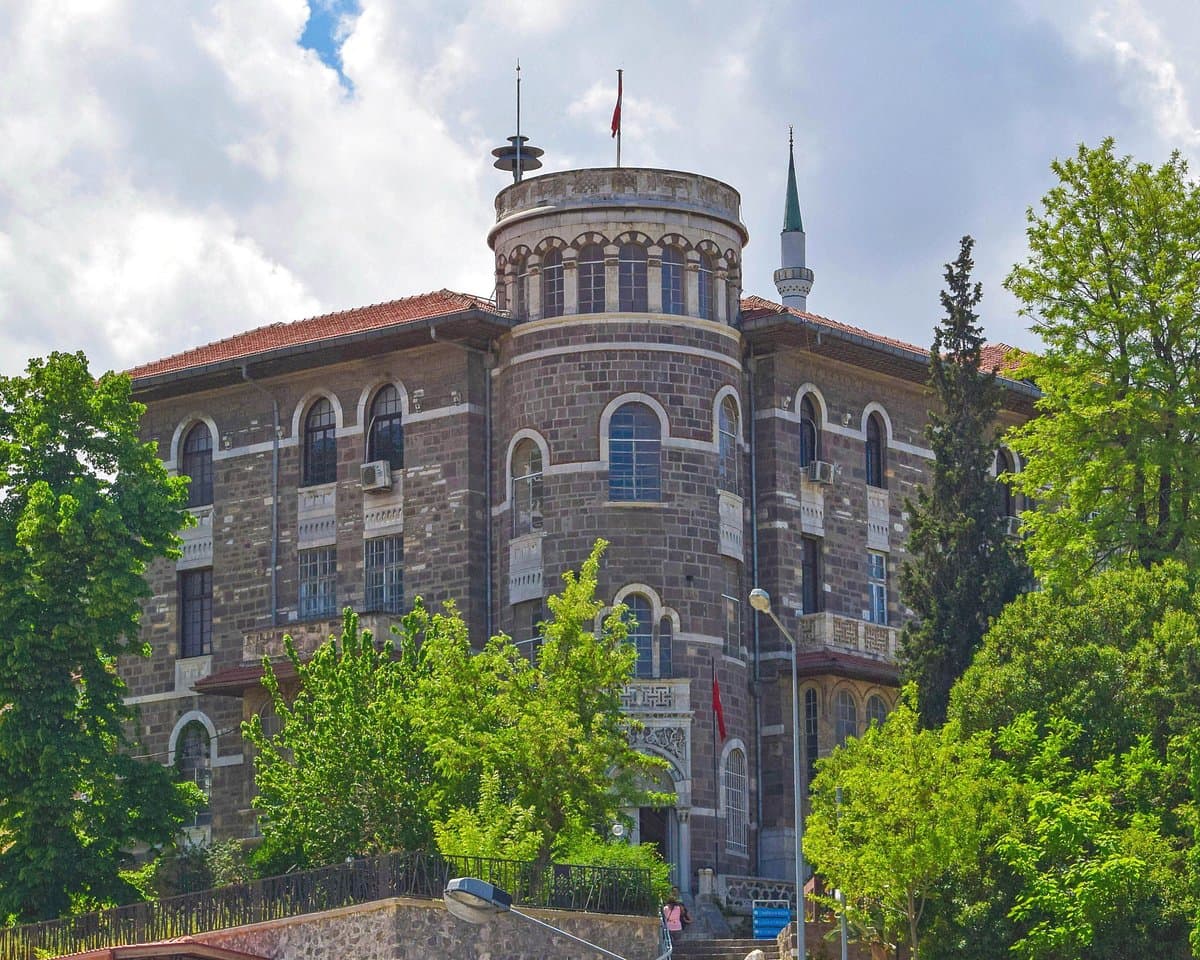
The mosque is located in the Fatih Mahallesi, high up on a hill in the district known as 'Varyant' or Zafertepe, offering great views over Konak. Despite its elevated position, visitors report it is relatively easy to access. Public bus number 33, which goes from the Kordon district past the Ethnographic and Archaeology Museums, is mentioned as a convenient option. Taxis are also a viable choice, especially if combining a visit with a trip to Kadifekale. Its central location within the Konak area makes it accessible by various public buses.
While most reviews are overwhelmingly positive, a few visitors have expressed that they found the building "normal" and "not special," suggesting it might not meet everyone's expectations for grandeur. To mitigate this, approach the mosque with an appreciation for its specific architectural and decorative style, focusing on the intricate tile work rather than expecting a monumental structure. It's a place for quiet contemplation and admiration of craftsmanship, not a sprawling complex.